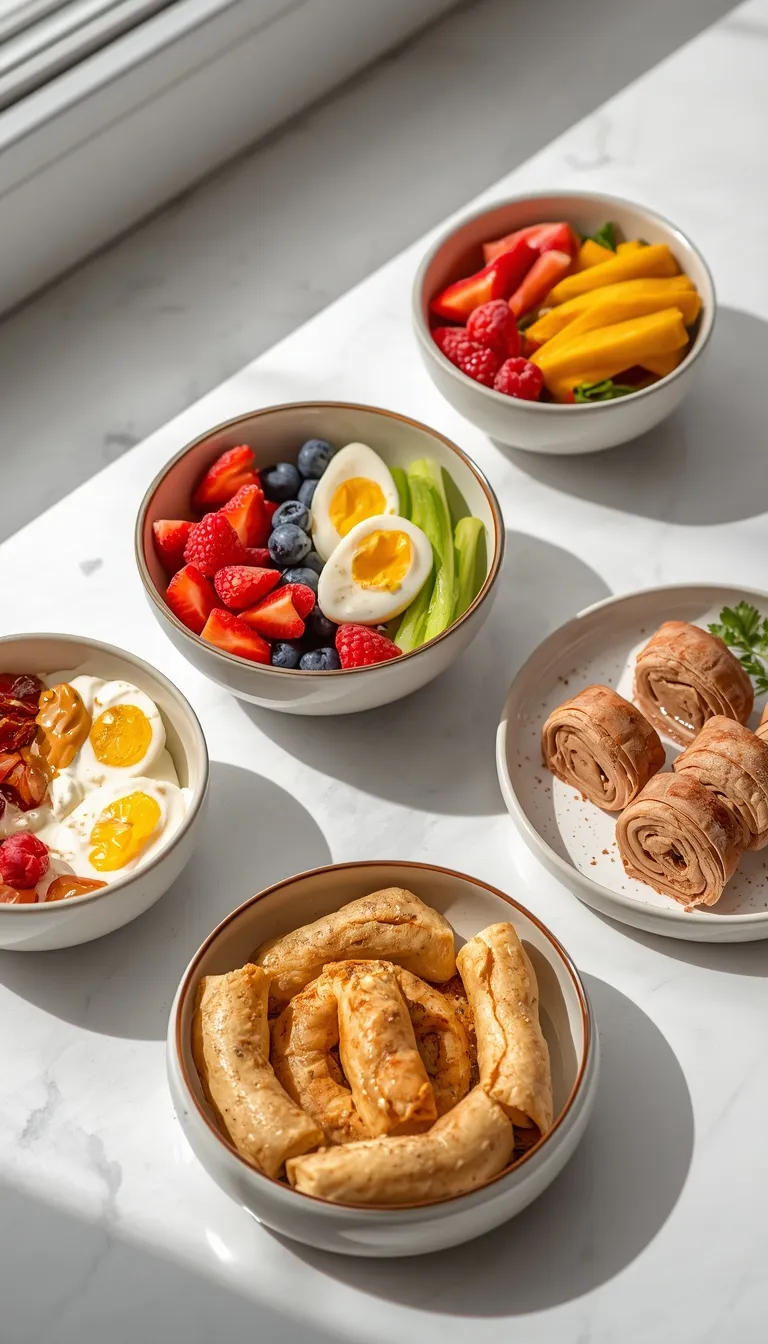
When hunger hits between meals, the usual advice is a list of Quick High-Protein Snacks. A list helps less than you’d think, because the right snack depends on your situation. A snack that works at your desk with a fridge nearby is useless in a gym bag. A 20-gram-protein snack may be too heavy before a workout, and a vegetarian can’t eat turkey roll-ups.
So instead of only listing five ideas, this guide helps you decide. Start with the table below, find the situation that matches yours, and jump to the details. Every snack here takes about five minutes or less, and most need no cooking.
Protein can come from many foods, including yogurt, eggs, poultry, fish, nuts, seeds, beans, and other legumes. The best choice depends on your preferences, dietary needs, and what you already have on hand. If you’re unsure how much protein you need across the whole day, our guide on how much protein you need a day is a good place to start before you start counting grams per snack.
The Quick Decision Table: Which Snack Fits Your Situation?
| Your need | Best option | Approx. protein | Approx. calories | Why it works |
|---|---|---|---|---|
| No fridge | Canned or pouch tuna with whole-grain crackers, or roasted edamame/chickpeas | 10–20 g | 120–220 | Shelf-stable, no prep, travels well |
| Under 150 calories | ¾ cup plain nonfat Greek yogurt with a few berries, or ½ cup low-fat cottage cheese with cucumber | 12–17 g | 90–140 | High protein for very few calories |
| 20g+ protein | 1 cup plain Greek yogurt with berries and seeds, or a generous turkey roll-up plate | 20–28 g | 180–280 | Large protein portion, still quick |
| Vegetarian | Greek yogurt with berries, cottage cheese with fruit, or eggs with vegetables | 12–20 g | 100–200 | Dairy and eggs are easy, protein-dense options |
| Before a workout | Banana with a thin spread of peanut butter, or yogurt with banana | 6–12 g | 150–230 | Easy-to-digest carbs plus a little protein |
| After a workout | Greek yogurt with fruit, or cottage cheese with fruit and a few nuts | 15–25 g | 150–260 | Protein plus carbs for recovery |
| Cheapest | Hard-boiled eggs, peanut butter on whole-grain bread, canned chickpeas, or milk | 6–13 g | 100–250 | Usually the lowest cost per gram of protein |
Calories and protein are rough estimates based on typical servings and vary by brand, portion size, and ingredients. Check the nutrition label when exact numbers matter, or look up specific foods in the USDA FoodData Central database.
Now let’s go through each situation in more detail.
1. No Fridge? Choose Shelf-Stable Protein
Most “healthy snack” advice assumes a refrigerator. Yogurt, cottage cheese, eggs, and deli meat all need one. If you’re traveling, commuting, working in a van, or sitting at a desk with no kitchen, you need a different approach.
Best options:
- Canned or pouch tuna or salmon with whole-grain crackers. A standard 3-ounce serving of tuna can supply roughly 16–20 grams of protein.
- Roasted edamame or roasted chickpeas. Both are crunchy and portable, and they provide protein and fiber.
- Nuts and seeds. An ounce of almonds or peanuts gives about 6–7 grams of protein, but it is also energy-dense (roughly 160 calories), so portion it out. Our guide to 8 high-protein nuts to try compares several options.
- Single-serve nut butter packets with a piece of fruit.
- Shelf-stable protein shakes or bars. These can help when nothing else is available, but check labels for added sugar and long ingredient lists.
A practical tip: Keep one backup snack in your bag, car, or desk drawer. A pouch of tuna and a small bag of nuts can rescue you from a vending-machine decision.
One caution: Eggs and dairy should not sit at room temperature for long. The USDA’s cold food storage chart explains how long common foods stay safe in the refrigerator, which matters whenever you pre-pack snacks for the day.
2. Under 150 Calories? Choose Protein Density
If you’re managing your calorie intake, you want the most protein per calorie. That usually means lean dairy, egg whites or whole eggs in sensible portions, and lean poultry.
Best options:
- ¾ cup plain nonfat Greek yogurt with a small handful of berries: roughly 15–17 grams of protein and about 120–140 calories.
- ½ cup low-fat cottage cheese with cucumber, tomato, or black pepper: roughly 12–13 grams of protein and about 90–100 calories.
- Two slices of turkey rolled around cucumber strips: roughly 8–10 grams of protein and under 100 calories.
- ½ cup shelled edamame: roughly 9 grams of protein and about 95 calories.
What to watch: Calorie-dense toppings add up quickly. A tablespoon of peanut butter adds around 95 calories, and a drizzle of honey adds roughly 20 per teaspoon. If you’re staying under a calorie target, measure the extras rather than the base.
Remember that a low-calorie snack isn’t automatically a better one. If it leaves you hungry twenty minutes later, you may eat more overall. Protein, fiber, and some volume (like vegetables or fruit) help a snack feel more satisfying. For the bigger picture, see our guide on how to lose weight without extreme dieting.
3. Want 20g+ of Protein? Build a Bigger Portion
Most quick snacks land between 6 and 18 grams of protein. Reaching 20 grams or more usually means one of three things: a larger portion, a more protein-dense food, or a combination.
Best options:
- 1 cup plain Greek yogurt with berries and a tablespoon of chia or pumpkin seeds: roughly 22–26 grams of protein, depending on the brand.
- 1 cup cottage cheese with fruit: roughly 24–28 grams, since cottage cheese protein varies with fat level and brand.
- Turkey roll-ups made with 5–6 slices: about 20 grams, though sodium rises with portion size.
- Tuna on whole-grain crackers or in a cucumber boat: about 18–22 grams.
- A protein shake made with milk: often 20–30 grams, depending on the powder.
Is 20 grams necessary? Not for everyone, and not for every snack. Your total daily protein intake matters more than hitting a number at each snack. Larger snacks make the most sense when you’re going a long time between meals, training hard, or struggling to reach your daily target at regular meals.
4. Vegetarian? Lean on Dairy, Eggs, and Legumes
For lacto-ovo vegetarians, quick high-protein snacks are easy. If you avoid eggs or dairy as well, the list narrows, but there are still good options.
Best lacto-ovo vegetarian options:
- Greek yogurt with berries or banana
- Cottage cheese with fruit or sliced vegetables
- Two hard-boiled eggs with cucumber and cherry tomatoes
- String cheese with an apple
- Roasted chickpeas or edamame
Plant-based options:
- Edamame with sea salt
- Roasted chickpeas
- Hummus with vegetable sticks and whole-grain crackers (moderate protein, good fiber)
- Peanut butter on whole-grain toast
- Soy yogurt or unsweetened soy milk with fruit
Plant proteins often pair well with whole grains and vegetables, which add fiber. The MyPlate protein foods guidance explains the range of protein foods, including beans, peas, lentils, nuts, seeds, and soy products, and how they fit into a balanced pattern.
5. Before a Workout: Keep It Light and Easy to Digest
A pre-workout snack has a different job than a general snack. You want some carbohydrate for energy, a modest amount of protein, and not too much fat or fiber, since those slow digestion and can leave you feeling heavy during exercise.
Best options:
- Banana with a thin layer of peanut butter: roughly 6–8 grams of protein.
- Greek yogurt with banana: about 10–15 grams of protein, easy on the stomach for many people.
- Toast with a small amount of nut butter or egg.
- A small bowl of oats with yogurt, if you have a bit more time.
Timing: A small snack often works well about 30–60 minutes before training. A larger snack is usually better 1–2 hours before. Everyone’s digestion is different, so experiment on easy training days rather than before something important.
Skip: very large portions, high-fat snacks, and big servings of raw vegetables or legumes right before intense exercise if they upset your stomach.
If you’re just getting started with training, our Nutrition & Healthy Eating category has more ideas for fueling a busy routine, and our article on creatine for beginners covers one supplement people often ask about alongside protein.
6. After a Workout: Combine Protein With Carbohydrate
After exercise, a snack that combines protein and carbohydrate makes sense for most people, especially if your next meal is a few hours away.
Best options:
- Greek yogurt with fruit and a sprinkle of granola or oats: roughly 15–20 grams of protein.
- Cottage cheese with pineapple, peaches, or berries: roughly 12–15 grams, more with a larger portion.
- Milk or chocolate milk with a banana.
- Tuna and whole-grain crackers.
- Eggs with whole-grain toast and fruit.
You don’t need to rush a protein shake within minutes of finishing. For most recreational exercisers, total daily protein intake and consistent training matter more than precise timing. Eating a balanced snack or meal within a couple of hours is a perfectly reasonable approach.
7. On a Budget? Choose Cheap, Simple Staples
High-protein snacking doesn’t have to be expensive. Specialty bars, flavored high-protein yogurts, and pre-packaged snack boxes often cost far more per gram of protein than basic foods.
Typically budget-friendly options (prices vary by region and season):
- Eggs: among the most affordable protein sources in many places. Cook a batch at the start of the week.
- Peanut butter on whole-grain bread or with a banana.
- Canned chickpeas or lentils, rinsed and seasoned, or roasted for crunch.
- Plain yogurt in larger tubs, portioned into bowls yourself, instead of single-serve flavored cups.
- Milk, which also pairs well with fruit or oats.
- Peanuts, usually cheaper than almonds or cashews.
- Frozen fruit, which is often cheaper than fresh berries and works well in yogurt.
A simple trick: Compare cost per 10 grams of protein, not cost per package. A premium snack with 12 grams of protein at a high price may cost several times more than a dozen hard-boiled eggs.
The Five Classic 5-Minute Snacks (Recipes)
Here are the original five quick snacks, each with how to make it and what situations it fits best.
| Snack | Approx. protein | Prep time | Best for |
|---|---|---|---|
| Greek yogurt with berries | 15–20 g | 2 min | Under 150 calories, vegetarian, post-workout |
| Cottage cheese with fruit or vegetables | 12–15 g | 2 min | Under 150 calories, vegetarian, post-workout |
| Eggs with fresh vegetables | 12–13 g | 2–3 min (pre-cooked eggs) | Vegetarian (lacto-ovo), cheapest |
| Peanut butter banana bites | 6–8 g | 2 min | Before a workout, cheapest |
| Turkey roll-ups | 15–20 g | 3–5 min | 20g+ protein, savory cravings |
Greek Yogurt With Berries
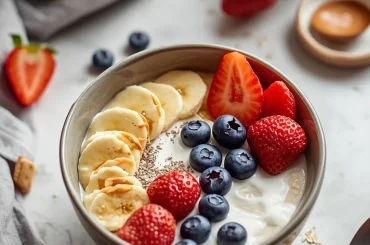
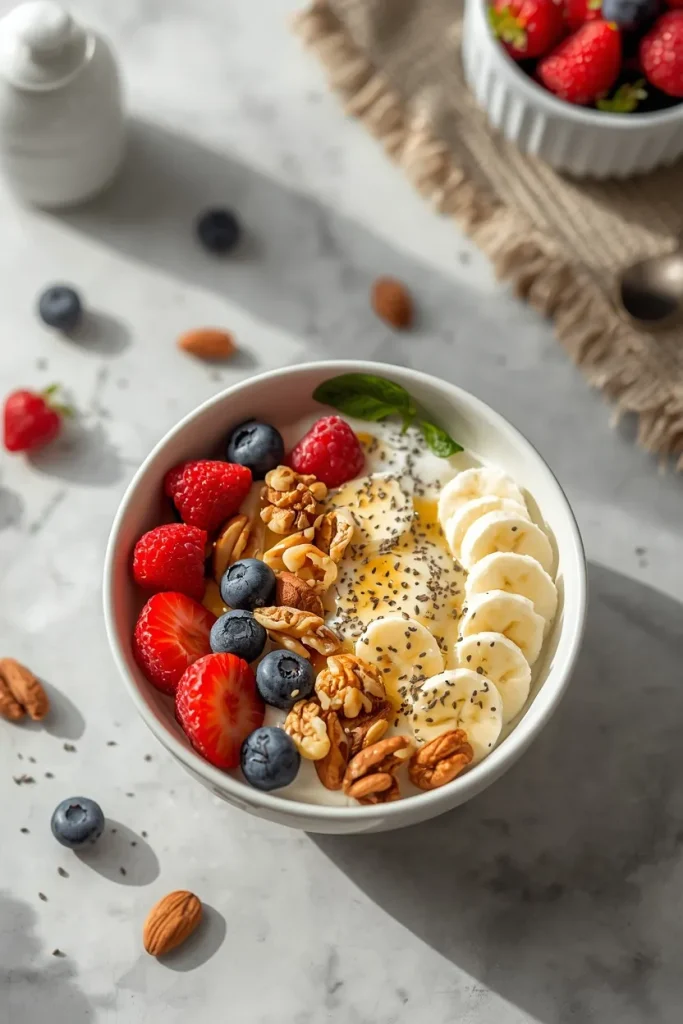
Add ¾–1 cup of plain Greek yogurt to a bowl and top with ½–1 cup of fresh or frozen berries. Add a tablespoon of chia seeds or chopped nuts for texture, plus a little cinnamon if you like. Choosing plain yogurt lets you control added sugar, and the fruit provides sweetness. The CDC’s advice on healthier meals and snacks suggests options like yogurt without added sugars, fruits, vegetables, and nuts as practical snack choices.
Variations: strawberries and chia; blueberries and almonds; banana and cinnamon; raspberries and pumpkin seeds.
Cottage Cheese With Fruit or Vegetables
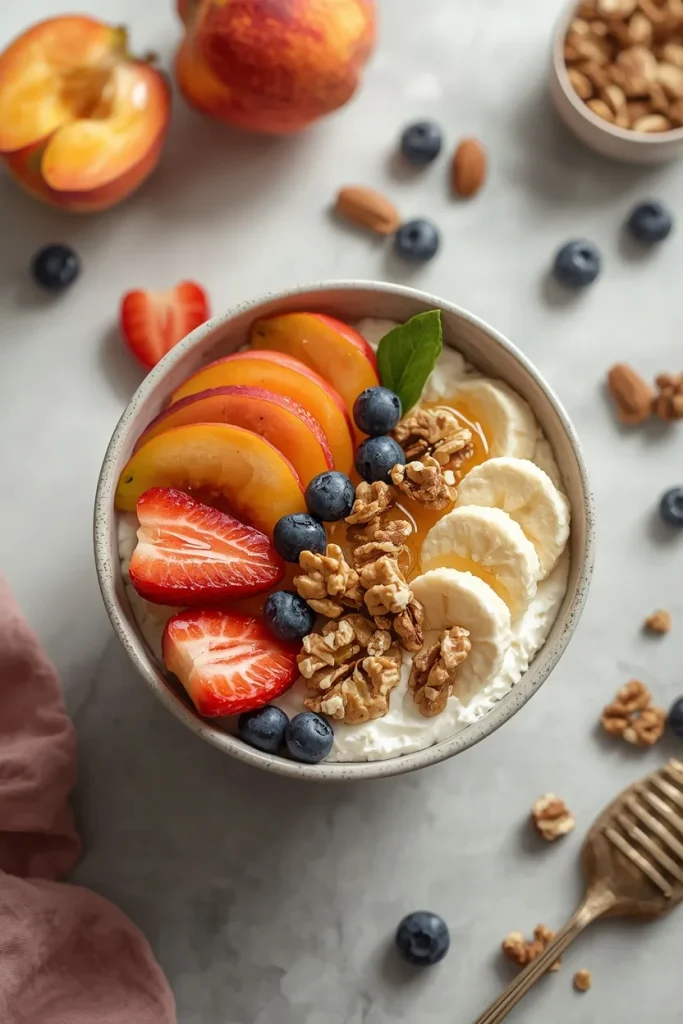
Spoon ½–¾ cup of cottage cheese into a bowl. For a sweet version, add strawberries, peaches, pineapple, or berries. For a savory version, add cucumber, tomato, bell pepper, and black pepper. If you’re especially hungry, add a small portion of nuts or whole-grain crackers so the snack has more staying power.
Eggs With Fresh Vegetables
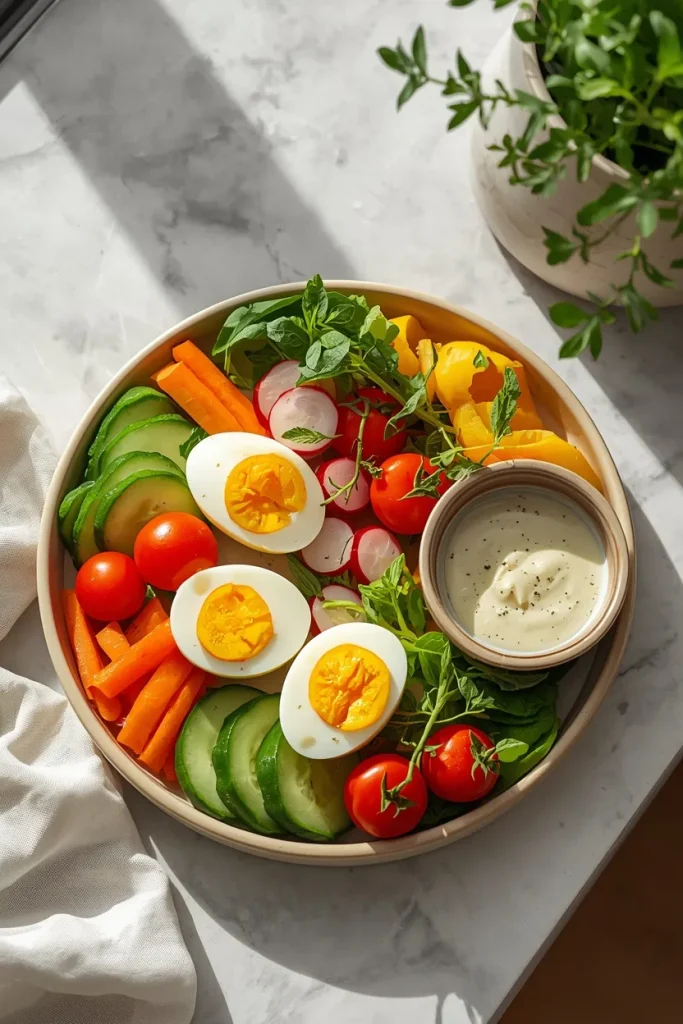
Peel two hard-boiled eggs and serve them with cucumber slices, cherry tomatoes, and carrot or pepper strips. Two large eggs provide roughly 12–13 grams of protein. Cook a batch ahead of time, and keep the eggs refrigerated. Our guide on how long meal prep lasts in the fridge covers storage times so you know when to toss them.
Peanut Butter Banana Bites
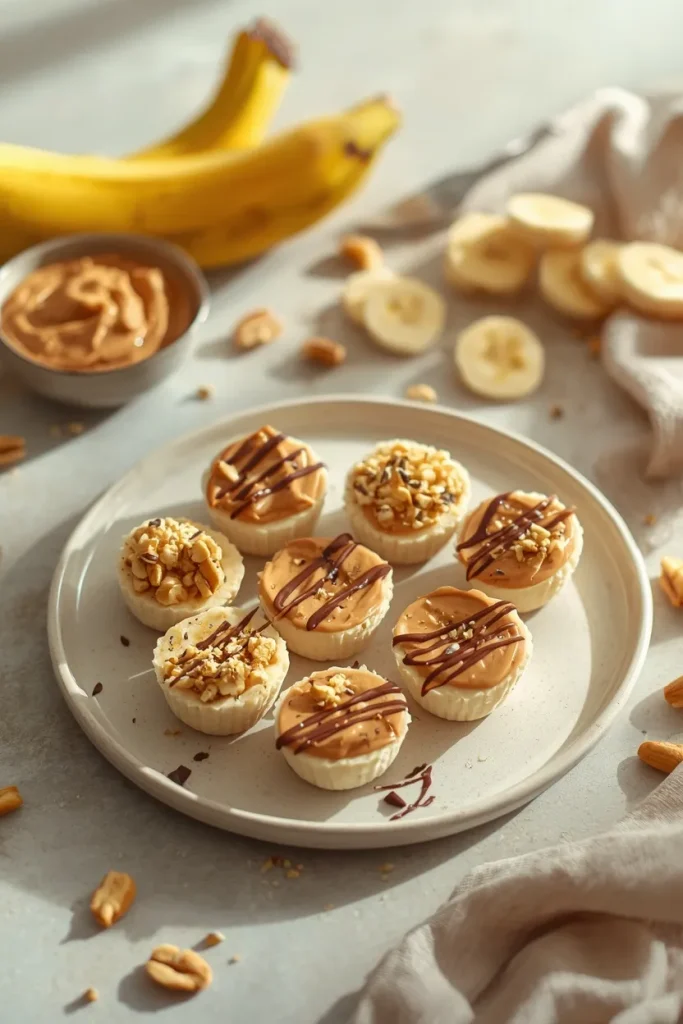
Slice a banana and spread a small amount of peanut butter over each piece. Finish with cinnamon or chia seeds. This snack is convenient but less protein-dense (6–8 grams) than yogurt, cottage cheese, eggs, or turkey. To raise the protein, pair it with plain Greek yogurt. Peanut butter is also energy-dense, so portion size matters if you’re watching calories. The NIDDK’s health tips for adults recommend keeping healthy snacks on hand and paying attention to portions.
Turkey Roll-Ups
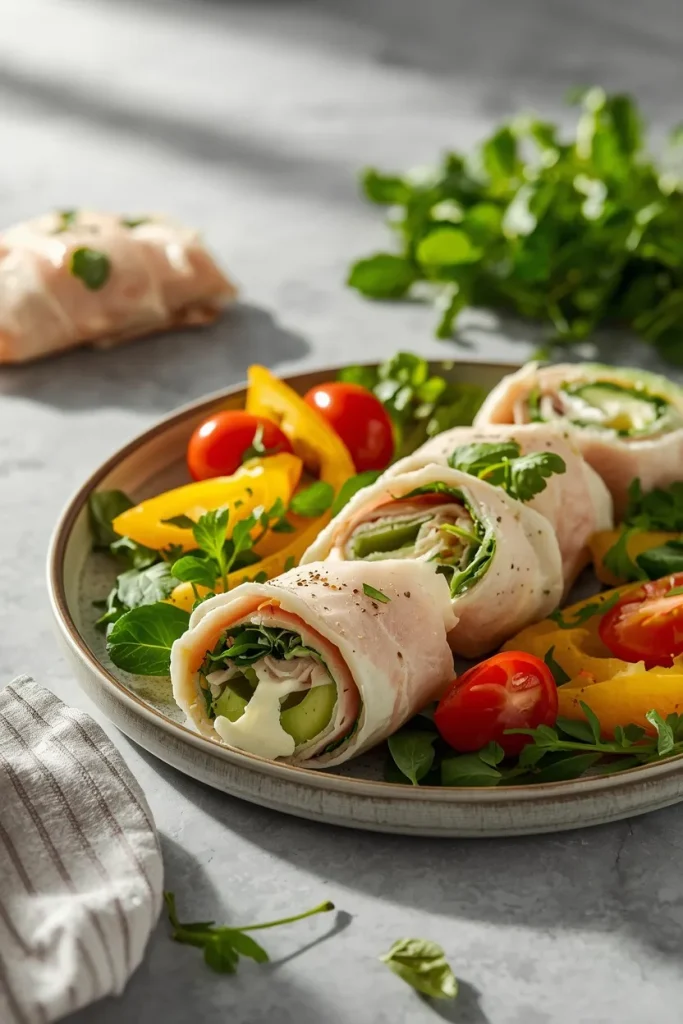
Place cucumber strips or spinach, and optionally a little cheese or mustard, on 3–4 slices of cooked turkey, then roll them up. That’s the whole recipe. The main drawback is sodium: processed deli meats can contain a lot of it. Compare labels, and look for lower-sodium versions or use freshly cooked chicken or turkey instead. The FDA’s guide to using the Nutrition Facts label notes that 5% Daily Value or less of sodium per serving is considered low and 20% or more is considered high.
How to Choose a Better High-Protein Snack
A good high-protein snack doesn’t need to be complicated. A useful formula is to combine a protein source with one or two other nutrient-dense foods:
- Greek yogurt + berries
- Cottage cheese + fruit
- Eggs + vegetables
- Peanut butter + banana
- Turkey + cucumber
- Hummus + vegetables
- Nuts + plain yogurt
The CDC’s healthy eating tips recommend a varied eating pattern that includes protein foods, vegetables, fruits, whole grains, healthy fats, and dairy without added sugars. Keeping nutritious snacks available at home or work makes it much easier to choose them when you’re hungry.
Don’t Judge a Snack by Protein Alone
Protein matters, but it isn’t the only factor. When comparing snacks, also look at:
- Fiber: fruit, vegetables, legumes, and whole grains help you feel full.
- Added sugar: flavored yogurts and bars can contain a surprising amount.
- Sodium: especially in deli meats, flavored nuts, and packaged snacks.
- Fats: unsaturated fats from nuts, seeds, and fish are generally a better choice than heavily processed snacks.
- Portion size: a healthy food can still overshoot your needs in a very large portion.
- How it fits your day: a snack that helps you reach your protein target without crowding out regular meals is doing its job.
Common Mistakes With “High-Protein” Snacks
Trusting the front of the package. “High protein” on a label doesn’t tell you about sugar, sodium, or calories. Read the nutrition facts panel.
Choosing bars that are really candy bars. Some protein bars contain as much sugar as dessert. They can be a convenient backup, but they shouldn’t be your default.
Forgetting the toppings. Honey, granola, nut butter, dried fruit, and cheese can double the calories of a simple snack without you noticing.
Skipping fiber. A protein-only snack may not keep you full for long. Add fruit, vegetables, or whole grains.
Eating protein snacks “on top of” meals. If your regular meals are already protein-rich, an extra snack may not be needed. Snack when you’re genuinely hungry or when your schedule calls for it.
Ignoring food safety. Dairy, eggs, and cooked meats need refrigeration. If you’re packing lunch for the day, use an insulated bag with an ice pack.
How to Make High-Protein Snacking Easier
The easiest snack is the one you’ve already prepared. Take 15 minutes at the start of the week to set yourself up:
- Wash and portion fruit.
- Cut vegetables and store them in the refrigerator.
- Boil a batch of eggs.
- Portion nuts or seeds into small containers.
- Keep plain Greek yogurt or cottage cheese within easy reach.
- Pack one shelf-stable backup (tuna pouch, nuts, or roasted chickpeas) for your bag or desk.
This isn’t a complicated meal-prep routine. For a fuller system, see our Meal Prep for Beginners: The Complete Guide. And if your eating has slipped off track lately, how to get back on track with healthy eating shows how to rebuild habits without an all-or-nothing mindset.
Are High-Protein Snacks Good for Weight Loss?
A high-protein snack can fit into a weight-management eating pattern, and protein-rich foods tend to be filling. But no single snack guarantees weight loss. Your overall food intake, activity level, portion sizes, sleep, and many other factors all contribute.
The CDC’s guidance on healthy eating for a healthy weight emphasizes nutrient-dense foods within your overall calorie needs. Think of these snacks as convenient tools that help you build a balanced eating pattern, not as special fat-burning foods. If you want structure, our 30-day fat-loss habit tracker helps you track the habits that matter most.
The Harvard Nutrition Source also notes that the quality of your protein sources matters, not only the quantity. Choosing fish, poultry, beans, nuts, and dairy more often than processed meats is a sensible approach.
Frequently Asked Questions
What is the fastest high-protein snack?
Hard-boiled eggs (if already cooked), Greek yogurt, cottage cheese, string cheese, and a handful of nuts all take under two minutes. Tuna pouches and roasted edamame are fastest if you have no fridge.
How much protein should a snack have?
There is no single right amount. Many people aim for roughly 10–20 grams in a snack, but your needs depend on your body size, activity level, goals, and how much protein you get at meals. If you want a daily target, start with our protein needs guide.
Can I get enough protein from snacks alone?
Snacks can help you reach your daily target, but they work best as a supplement to protein-containing meals. If you often rely on snacks to catch up, consider adding protein to breakfast or lunch. Our no-cook high-protein lunches and high-protein breakfast for muscle gain are good starting points.
Are protein bars a good option?
They can be useful when you’re traveling or have no fridge, but quality varies widely. Check the label for added sugar, fiber, and ingredients, and treat them as a backup rather than a daily staple.
Is it okay to eat eggs every day?
For many healthy people, eggs are a convenient and affordable protein source. If you have a medical condition, or have been given specific dietary advice about cholesterol or heart health, follow your healthcare provider’s guidance.
Quick Takeaway
You don’t need complicated recipes to eat a protein-rich snack. You just need to match the snack to the situation:
- No fridge: tuna pouches, roasted edamame or chickpeas, nuts
- Under 150 calories: plain nonfat Greek yogurt or low-fat cottage cheese with fruit or vegetables
- 20g+ protein: a full cup of Greek yogurt or cottage cheese, or a larger turkey or tuna portion
- Vegetarian: Greek yogurt, cottage cheese, eggs, edamame
- Before a workout: banana with a little peanut butter, or yogurt with banana
- After a workout: yogurt or cottage cheese with fruit, or milk with a banana
- Cheapest: eggs, peanut butter, canned chickpeas, milk
Rotate different protein sources, pair them with fruits, vegetables, or whole grains, and keep a few simple ingredients ready. That’s what makes healthy snacking easy on busy days.