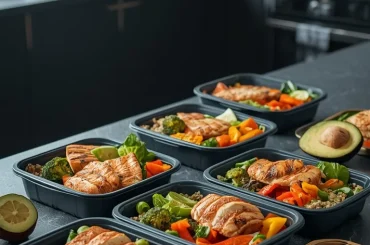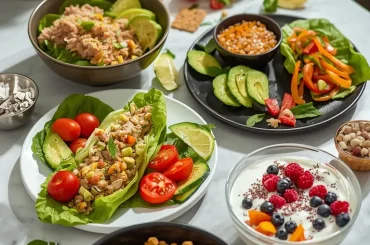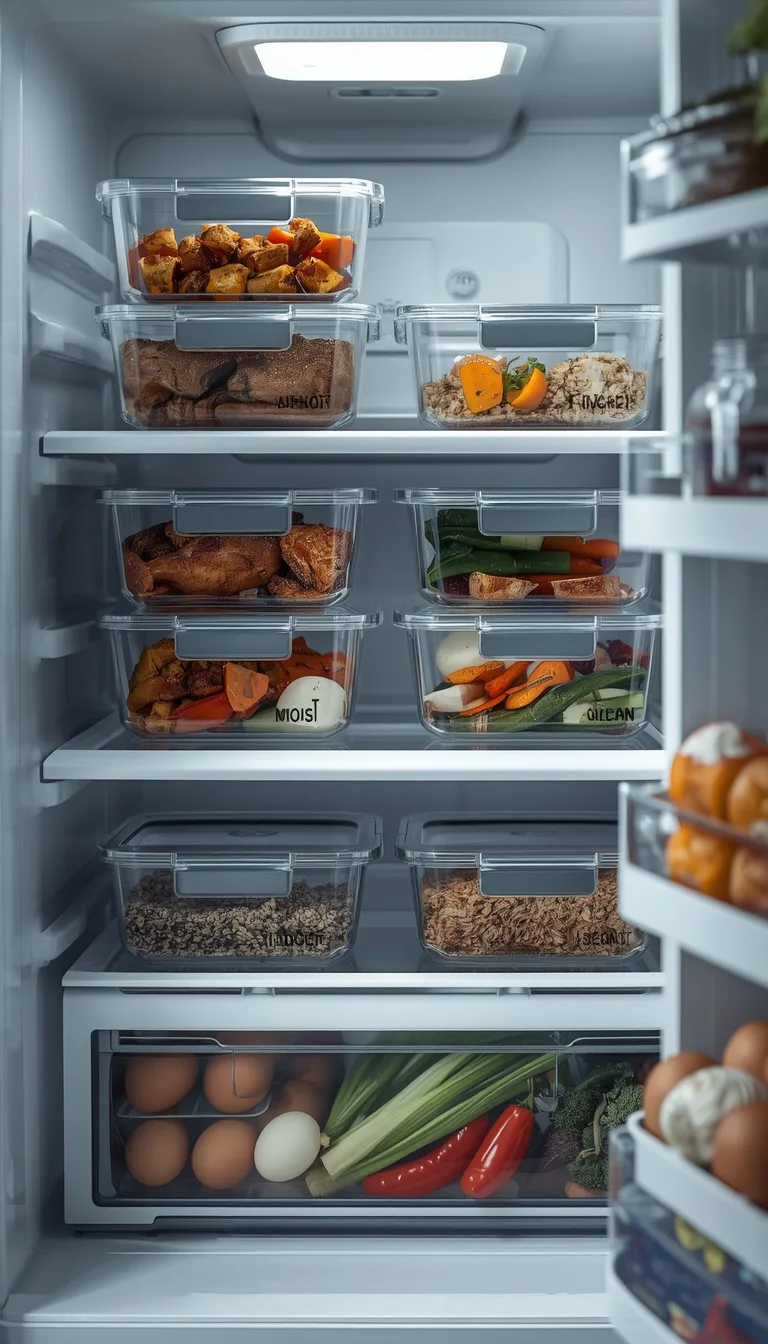
Meal prepping can make busy weeks much easier, but one question comes up quickly: how long does meal prep last in the fridge?
For most cooked leftovers and prepared meals, the general USDA recommendation is to use them within 3 to 4 days when refrigerated at 40°F (4°C) or below. Food should be refrigerated or frozen promptly rather than left at room temperature for extended periods.
That does not mean every meal-prepped ingredient has exactly the same storage life. Eggs, cooked grains, vegetables, meat, fish, dairy-based foods, salads, sauces, and mixed dishes can differ in both food-safety considerations and quality.
This guide explains how long common meal-prep foods can stay in the refrigerator, how to store them properly, when freezing makes more sense, and how to build a meal-prep routine without keeping food longer than recommended.
Quick answer: Most cooked meal-prepped foods and leftovers should be eaten within 3–4 days when kept at 40°F (4°C) or below. If you will not eat a portion within that window, freezing it can be a better option.
How Long Does Meal Prep Last in the Fridge?
For general cooked leftovers and prepared meals, 3–4 days is the standard USDA storage guideline when the food has been handled properly and kept refrigerated at 40°F (4°C) or below.
The clock starts with proper storage after cooking, not simply with the day you decide to eat the food.
For example, if you cook chicken and rice on Sunday and refrigerate it promptly, Wednesday and Thursday are within the general 3–4-day window. If you know you will not eat the remaining portions by then, freeze them rather than assuming they will remain safe indefinitely in the refrigerator.
Quick meal-prep storage guide
| Food or Meal | General Refrigerator Guidance | Best Approach |
|---|---|---|
| Cooked chicken | 3–4 days | Refrigerate promptly; freeze extra portions |
| Cooked meat | 3–4 days | Store in airtight containers |
| Cooked fish | 3–4 days | Refrigerate promptly and use early for quality |
| Soups and stews | 3–4 days | Use shallow containers for cooling |
| Cooked rice and grain dishes | 3–4 days | Refrigerate promptly |
| Cooked vegetables | 3–4 days | Store covered |
| Mixed meal-prep bowls | 3–4 days | Keep sauces and delicate ingredients separate |
| Hard-cooked eggs | Up to 1 week | Keep refrigerated |
| Prepared salads | Depends on ingredients | Keep dressing and delicate ingredients separate |
| Fresh cut vegetables | Depends on the vegetable | Refrigerate in suitable covered containers |
The 3–4-day recommendation is particularly useful for cooked leftovers and mixed prepared foods. Specific foods can have different storage guidance, so use the appropriate food-specific recommendation when available. FDA storage charts, for example, list hard-cooked eggs at about one week and soups/stews at 3–4 days.
Why the 3–4 Day Rule Matters
Refrigeration slows bacterial growth, but it does not stop it completely.
The FDA recommends keeping refrigerators at 40°F (4°C) or below and emphasizes prompt refrigeration of perishable foods.
This is why meal prep should be planned around food-safety limits rather than simply preparing seven days of food and leaving everything in the refrigerator.
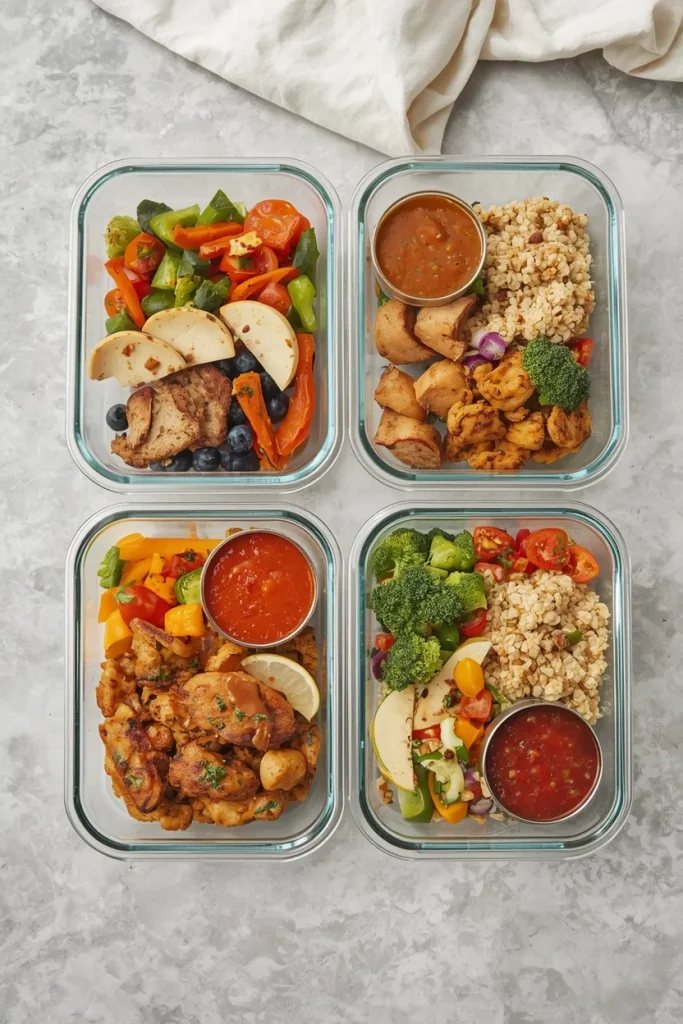
A practical approach is:
Prepare → refrigerate 3–4 days’ worth → freeze the rest
This gives you the convenience of batch cooking without depending on food remaining refrigerated for an excessive amount of time.
What Is the Best Refrigerator Temperature for Meal Prep?
Keep your refrigerator at 40°F (4°C) or below.
A refrigerator thermometer is useful because the temperature shown on a dial or digital display may not always represent the temperature in every part of the refrigerator. FDA recommends using an appliance thermometer to monitor refrigerator temperature.
Good refrigerator habits
- Keep the refrigerator at 40°F (4°C) or below.
- Avoid packing it so tightly that cold air cannot circulate.
- Keep prepared food covered.
- Clean spills promptly.
- Store food in suitable airtight containers.
- Check the refrigerator temperature regularly.
A well-organized refrigerator also makes it easier to see which foods need to be eaten first.
How Long Does Cooked Chicken Meal Prep Last in the Fridge?
Cooked chicken should generally be used within 3–4 days when properly refrigerated at 40°F (4°C) or below. USDA guidance recommends using refrigerated leftovers within this timeframe.
For better meal-prep quality
Store chicken in shallow, covered containers and refrigerate it promptly after cooking.
You can prepare chicken for:
- Rice bowls
- Wraps
- Salads
- Sandwiches
- Pasta
- Grain bowls
If you have more chicken than you expect to eat within four days, freeze some portions.
Tip
Instead of preparing five refrigerated chicken meals on Sunday, consider:
Sunday: Refrigerate meals for the next few days.
Sunday: Freeze later portions.
This can make a weekly meal-prep routine more practical.
How Long Does Cooked Rice Last in the Fridge?
Cooked rice is commonly included in meal-prep bowls, curries, stir-fries, and lunches.
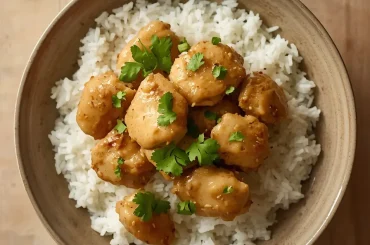
The safest approach is to treat cooked rice as a perishable prepared food: refrigerate it promptly and use it within the general 3–4-day leftover window.
The key issue is not simply the ingredient itself. How quickly cooked food is cooled, how it is stored, and the temperature of the refrigerator all matter.
Better rice meal-prep habits
- Prepare only the amount you reasonably expect to use.
- Transfer large quantities into shallow containers.
- Refrigerate promptly.
- Keep containers covered.
- Freeze portions that will not be used within the recommended refrigerated period.
USDA specifically recommends dividing leftovers into shallow containers to encourage rapid, even cooling.
How Long Does Cooked Vegetables Meal Prep Last?
Many cooked vegetables can be refrigerated for several days, but quality often changes before food-safety limits are reached.
Roasted vegetables, for example, may remain suitable within the general 3–4-day leftover window but become softer over time.
Vegetables that generally work well for meal prep
- Broccoli
- Carrots
- Green beans
- Cauliflower
- Bell peppers
- Sweet potatoes
- Roasted zucchini
- Cooked spinach
For better texture
Do not overcook vegetables during the initial preparation.
You can also store sauces separately and reheat vegetables only when needed.
How Long Does Meal-Prepped Fish Last in the Fridge?
Cooked fish should generally be treated like other cooked leftovers and used within 3–4 days when properly refrigerated.
However, fish quality can deteriorate noticeably with extended storage.
For the best eating experience:
- Refrigerate fish promptly.
- Keep it covered.
- Use it earlier in your meal-prep rotation when possible.
- Freeze portions you will not eat within the recommended refrigerated window.
If the fish was not handled or refrigerated properly, do not rely on reheating to make it safe.
How Long Do Hard-Boiled Eggs Last in the Fridge?
Hard-cooked eggs have different storage guidance from many cooked mixed meals.
FDA storage guidance lists hard-cooked eggs at about 1 week in the refrigerator when properly refrigerated.
This makes them useful for meal prep.
You can prepare them for:
- Breakfast
- Salads
- Sandwiches
- Snack boxes
- Grain bowls
Keep them refrigerated and follow appropriate food-handling practices.
How Long Does Meal-Prepped Salad Last?
Salads are more complicated because the storage life depends heavily on what is inside them.
A leafy salad containing lettuce, cucumber, tomatoes, dressing, avocado, and other fresh ingredients may lose quality quickly even before the food-safety window for individual ingredients has passed.
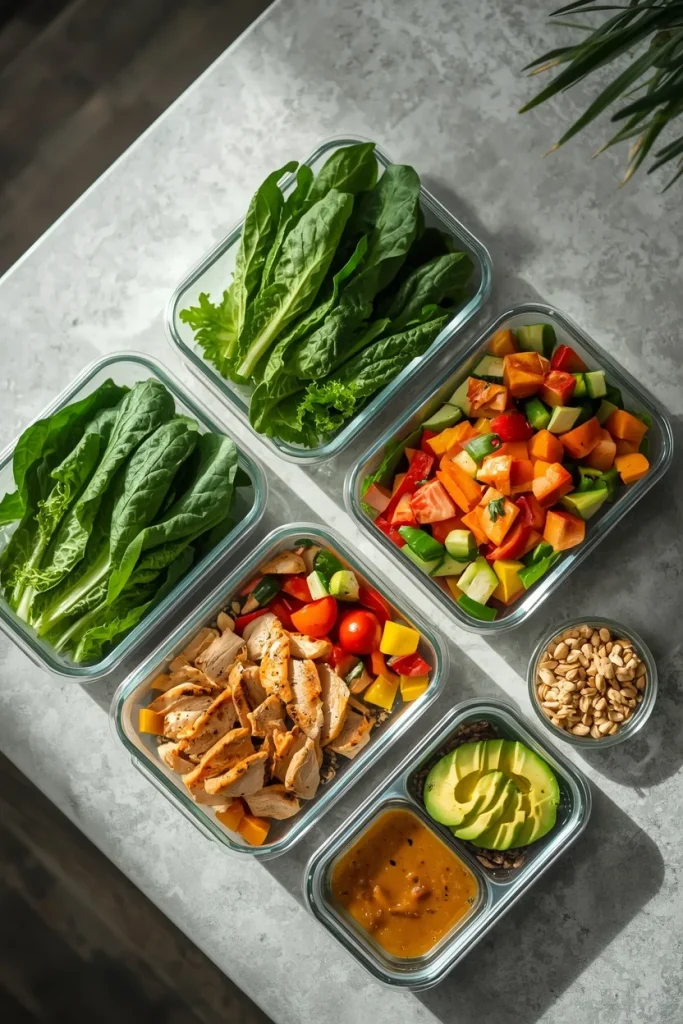
To keep salads fresher
Store separately:
- Leafy greens
- Dressing
- Cooked protein
- Crunchy toppings
- Avocado
- Fresh herbs
Then assemble the salad immediately before eating.
For example:
Container 1: Greens
Container 2: Chicken
Container 3: Chopped vegetables
Small container: Dressing
Small container: Nuts or seeds
This approach reduces sogginess and gives you a fresher meal.
How Long Does Meal-Prepped Pasta Last in the Fridge?
Cooked pasta used as part of a prepared meal can generally be treated as a refrigerated leftover and used within 3–4 days when properly handled.
The sauce can affect texture.
Creamy sauces may separate after refrigeration and reheating, while tomato-based sauces often hold their texture better.
For better results:
- Cook pasta until just tender rather than very soft.
- Store with an appropriate amount of sauce.
- Keep fresh herbs and crunchy toppings separate.
- Refrigerate promptly.
- Reheat thoroughly before eating.
How Long Does Meal Prep Last in the Freezer?
Freezing is useful when you want to prepare more food than you can safely use within the refrigerator storage window.
At 0°F (-18°C), freezing keeps food safe for much longer; recommended freezer-storage periods generally relate more to quality than safety.
However, different foods respond differently to freezing.
Foods that usually freeze well
- Cooked chicken
- Cooked beef
- Soups
- Stews
- Curries
- Cooked beans
- Cooked lentils
- Rice dishes
- Many casseroles
Foods that may lose quality
- Lettuce
- Cucumber
- Fresh tomatoes
- High-water vegetables
- Some creamy sauces
- Foods intended to be crispy
When freezing meal prep, think about quality as well as safety.
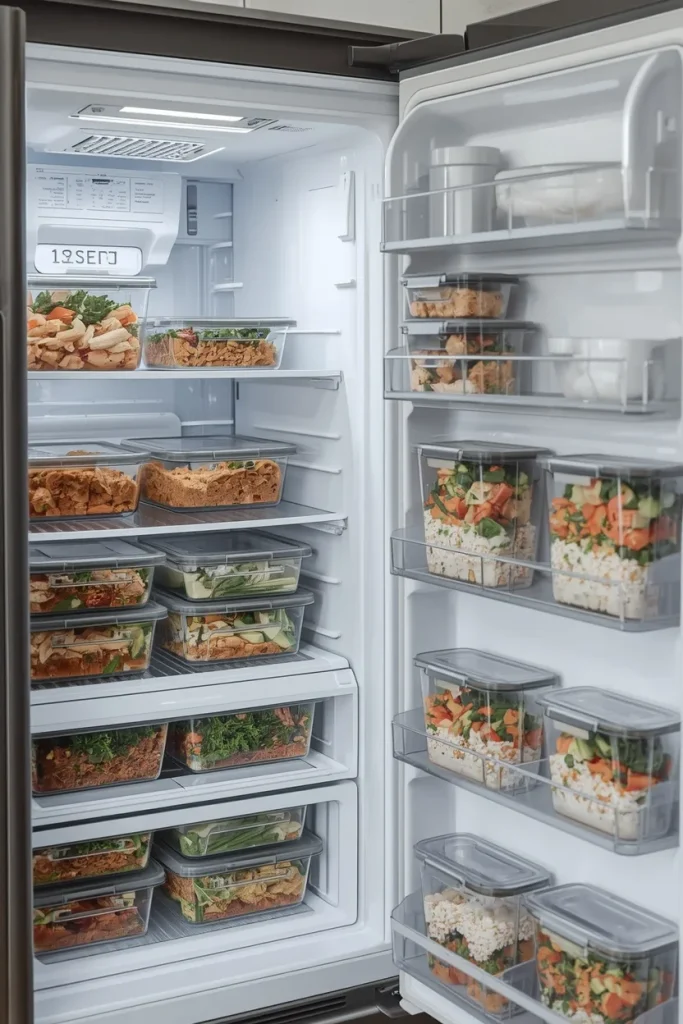
Refrigerator vs. Freezer: Which Should You Use?
| Situation | Better Option |
|---|---|
| Eating within the next 1–3 days | Refrigerator |
| Eating on day 4 | Refrigerator, if properly stored |
| Not sure when you will eat it | Freeze |
| Preparing food for later in the week | Freeze appropriate portions |
| Fresh salad | Refrigerator |
| Soup or stew | Refrigerator or freezer |
| Cooked chicken | Refrigerator or freezer |
| Cooked rice-based meal | Refrigerator or freezer |
| Crispy food | Refrigerator, but add crisp components later |
The freezer becomes especially useful when you want to meal prep for a full week without keeping every cooked meal refrigerated for seven days.
When Should You Refrigerate Meal Prep?
Perishable food should be refrigerated or frozen within 2 hours of cooking or preparation. If the surrounding temperature is above 90°F (32°C), FDA guidance reduces that limit to 1 hour.
This is important in warm environments.
Do not leave cooked chicken, rice, fish, eggs, dairy-based foods, or other perishable meal-prep foods sitting on the kitchen counter for several hours while you finish other tasks.
A practical workflow
- Finish cooking.
- Divide large quantities into suitable shallow containers.
- Refrigerate or freeze promptly.
- Keep the refrigerator at 40°F (4°C) or below.
- Label containers with the preparation date.
Should You Let Meal Prep Cool Before Putting It in the Fridge?
There is an important distinction here.
You do not want to leave cooked food sitting at room temperature for a long time simply because you are waiting for it to become completely cold.
Instead, divide larger quantities into shallow containers and refrigerate promptly. USDA specifically recommends shallow containers to promote rapid, even cooling.
The goal is rapid cooling and prompt refrigeration, not leaving food on the counter until it reaches room temperature.
How to Store Meal Prep Safely
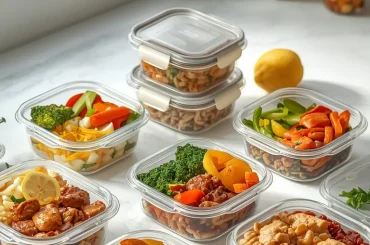
Use clean, suitable containers with secure lids.
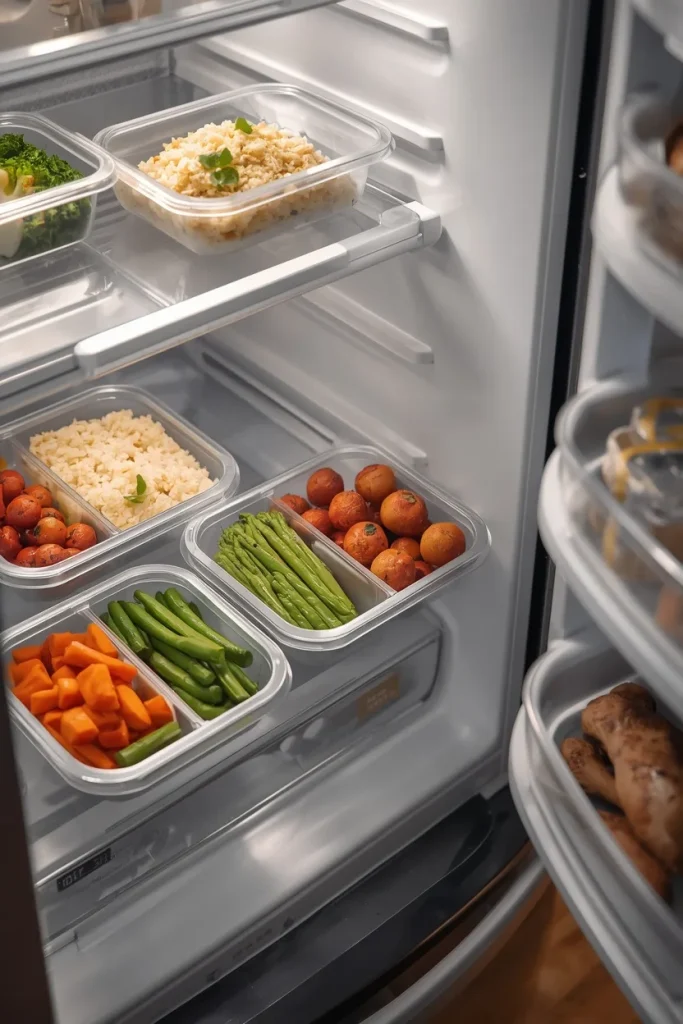
Recommended approach
1. Portion the food
Smaller portions generally cool more efficiently than one very large container.
2. Cover the food
Covered containers help protect food from contamination and moisture loss.
3. Label it
Write the preparation date on the container.
4. Refrigerate promptly
Do not leave prepared meals sitting out for hours.
5. Keep the fridge cold
Maintain 40°F (4°C) or below.
6. Use older food first
Organize your refrigerator so foods that need to be eaten sooner are easy to see.
FDA recommends covered containers or sealed storage bags and emphasizes maintaining proper refrigerator temperatures.
How to Tell If Meal Prep Has Gone Bad
One important food-safety point is that you cannot always determine whether food is safe simply by looking at or smelling it.
FDA specifically warns that appearance and odor are not reliable ways to determine the safety of food in some situations.
If food has been stored longer than the recommended period, has been held at an unsafe temperature, or you are unsure how long it has been refrigerated, the safer choice is to discard it.
Do not taste questionable food to see whether it is still safe.
When in doubt
Throw it out.
This is particularly important with high-risk foods such as cooked meat, poultry, seafood, eggs, dairy, and mixed leftovers.
Can You Reheat Meal Prep More Than Once?
Repeated reheating can reduce food quality and make it harder to control portions.
A practical approach is to reheat only the amount you plan to eat.
For refrigerated leftovers, USDA guidance recommends reheating to 165°F (74°C).
When using a microwave:
- Cover the food appropriately.
- Stir or rotate where practical.
- Heat evenly.
- Allow standing time where appropriate.
- Check temperature with a food thermometer when needed.
This is especially useful for thick meals where the center can remain cooler than the edges.
How to Keep Meal Prep Fresh for Longer
Storage time is only one part of meal-prep quality.
You can make food taste fresher by separating ingredients according to how they behave during storage.
Keep separate
Dressings: Prevent salads from becoming soggy.
Fresh herbs: Add near serving time.
Crunchy toppings: Add nuts, seeds, croutons, or similar toppings just before eating.
Avocado: Cut closer to serving when practical.
Fresh greens: Keep away from wet ingredients.
Sauces: Store separately when they may soften other ingredients.
This does not necessarily extend the food-safety window, but it can improve texture and flavor.
A Simple 4-Day Meal-Prep Strategy
If you want to meal prep for several days, you can use a system like this.
Sunday
Prepare:
- Chicken
- Rice
- Roasted vegetables
- Hard-boiled eggs
- Overnight oats
- Sauce or dressing
Sunday storage
Refrigerator:
Portions you expect to eat during the next few days.
Freezer:
Portions you will not use within the recommended refrigerated storage period.
Monday
Chicken + rice + vegetables
Tuesday
Chicken wrap + salad
Wednesday
Chicken bowl + vegetables
Thursday
Use another refrigerated portion if still within the recommended storage period.
Later portions
Use frozen portions when appropriate, thawing safely in the refrigerator or using another safe method.
USDA lists refrigerator thawing as a safe method because food remains at a safe temperature while thawing.
Meal-Prep Storage Checklist
Before putting your food away, check:
- Was the food refrigerated or frozen promptly?
- Is the refrigerator at 40°F (4°C) or below?
- Are large quantities divided into shallow containers?
- Are containers covered or sealed?
- Did you label the preparation date?
- Do you know which foods need to be eaten first?
- Are sauces and delicate ingredients stored separately?
- Have portions that will not be eaten within 3–4 days been frozen?
- Are frozen foods thawed safely?
- Will leftovers be reheated thoroughly?
Common Meal-Prep Storage Mistakes
| Mistake | Why It Matters | Better Approach |
|---|---|---|
| Keeping cooked meals for a full week in the fridge | Exceeds the general 3–4-day leftover guideline | Freeze later portions |
| Leaving food on the counter to cool for hours | Increases time in the temperature range where bacteria can multiply | Divide into shallow containers and refrigerate promptly |
| Using a warm refrigerator | Food may not stay cold enough | Keep it at 40°F (4°C) or below |
| Storing everything in one huge container | Large quantities cool less efficiently | Use smaller or shallow containers |
| Forgetting preparation dates | Makes storage time difficult to track | Label containers |
| Relying only on smell | Unsafe food may not always smell bad | Follow time and temperature guidance |
| Dressing salads in advance | Leads to soggy greens | Store dressing separately |
| Refrigerating seven days of meals | The food may exceed the recommended refrigerated window | Refrigerate some and freeze the rest |
How to Meal Prep Without Wasting Food
One of the best ways to reduce food waste is to prep according to your actual schedule.
If you know you eat out on Thursday, do not prepare a Thursday lunch simply because you are following a five-day meal plan.
Instead:
Prepare
3 refrigerated lunches
Freeze
1–2 later portions
Keep flexible ingredients
- Frozen vegetables
- Rice
- Beans
- Eggs
- Oats
- Fruit
- Sauces
This allows you to adjust your meals when your schedule changes.
For more beginner-friendly meal-preparation strategies, see FitVibe’s Meal Prep for Beginners: The Complete Guide. It covers batch cooking, portioning, grocery planning, storage, and freezer use.
Meal Prep for Busy Adults: The 3–4 Day System
You do not need to cook seven days of food every Sunday.
Try this:
Step 1 — Cook
Prepare 2–3 proteins or meal components.
Step 2 — Refrigerate
Store the portions you will eat over the next few days.
Step 3 — Freeze
Freeze appropriate portions for later.
Step 4 — Refresh
Midweek, prepare fresh ingredients such as:
- Salad greens
- Fruit
- Fresh vegetables
- Herbs
- Fresh sauces
Step 5 — Assemble
Combine your prepared components into different meals.
This creates a flexible meal-prep routine without relying on week-old refrigerated food.
Frequently Asked Questions
How long does meal prep last in the fridge?
Most cooked leftovers and prepared meals should be used within 3–4 days when refrigerated at 40°F (4°C) or below and handled properly.
Can meal prep last 5 days in the fridge?
The general USDA recommendation for refrigerated leftovers is 3–4 days. Rather than assuming a fifth day is safe, freeze portions that you will not eat within that period.
Can I meal prep for 7 days?
Yes, but you should not assume that all seven days of cooked food should remain refrigerated. Prepare some meals for the first few days and freeze appropriate later portions.
How long does cooked chicken last in the fridge?
Properly refrigerated cooked chicken is generally used within 3–4 days as a leftover.
How long does cooked rice last in the fridge?
Treat cooked rice as a prepared perishable food: refrigerate it promptly and use it within the general 3–4-day leftover window. Use shallow containers to encourage rapid cooling.
How long do hard-boiled eggs last in the fridge?
FDA storage guidance lists hard-cooked eggs at approximately 1 week when properly refrigerated.
Should I freeze meal prep?
Freezing is useful when you have prepared more food than you can eat within the recommended refrigerated storage period. It is particularly practical for soups, stews, cooked proteins, beans, grains, and many casseroles.
Does freezing make food safe indefinitely?
Freezing at 0°F (-18°C) keeps food safe for much longer, but recommended freezer-storage periods are generally about maintaining quality rather than safety. Food can still lose flavor and texture over time.
Can I tell if meal prep is unsafe by smelling it?
No. Appearance and smell are not always reliable indicators of food safety. If storage conditions or timing are uncertain, the safer choice is to discard the food.
Final Thoughts
So, how long does meal prep last in the fridge?
For most cooked leftovers and prepared meals, the practical answer is 3–4 days when properly refrigerated at 40°F (4°C) or below.
The easiest way to build a safe meal-prep routine is not to force every meal into the refrigerator for the entire week.
Instead:
Cook → portion → refrigerate what you’ll eat soon → freeze the rest → refresh fresh ingredients midweek.
This approach can give you the convenience of batch cooking while keeping food safety and food quality in mind.
If you’re new to meal prep, start small. Prepare a few meals, label them, monitor your refrigerator temperature, and learn which foods hold their texture best.
For additional meal-planning ideas, continue with FitVibe’s Meal Prep for Beginners: The Complete Guide.
You can also use FitVibe’s How to Get Back on Track With Healthy Eating if your goal is to build a more consistent eating routine around a busy schedule.
Sources & Further Reading
- USDA FSIS — How Do I Handle Leftovers Safely?
- FDA — Are You Storing Food Safely? — Refrigerator temperatures, storage practices, and food-safety considerations.