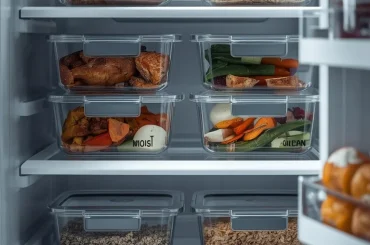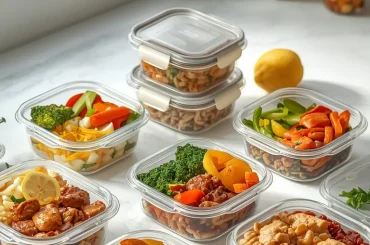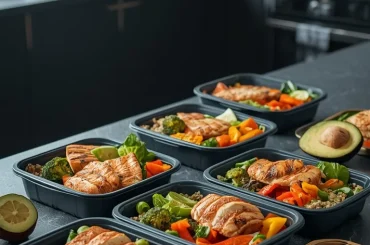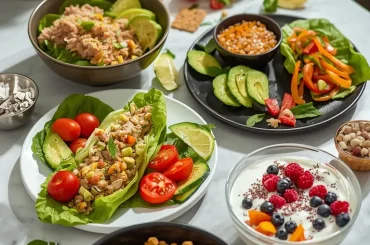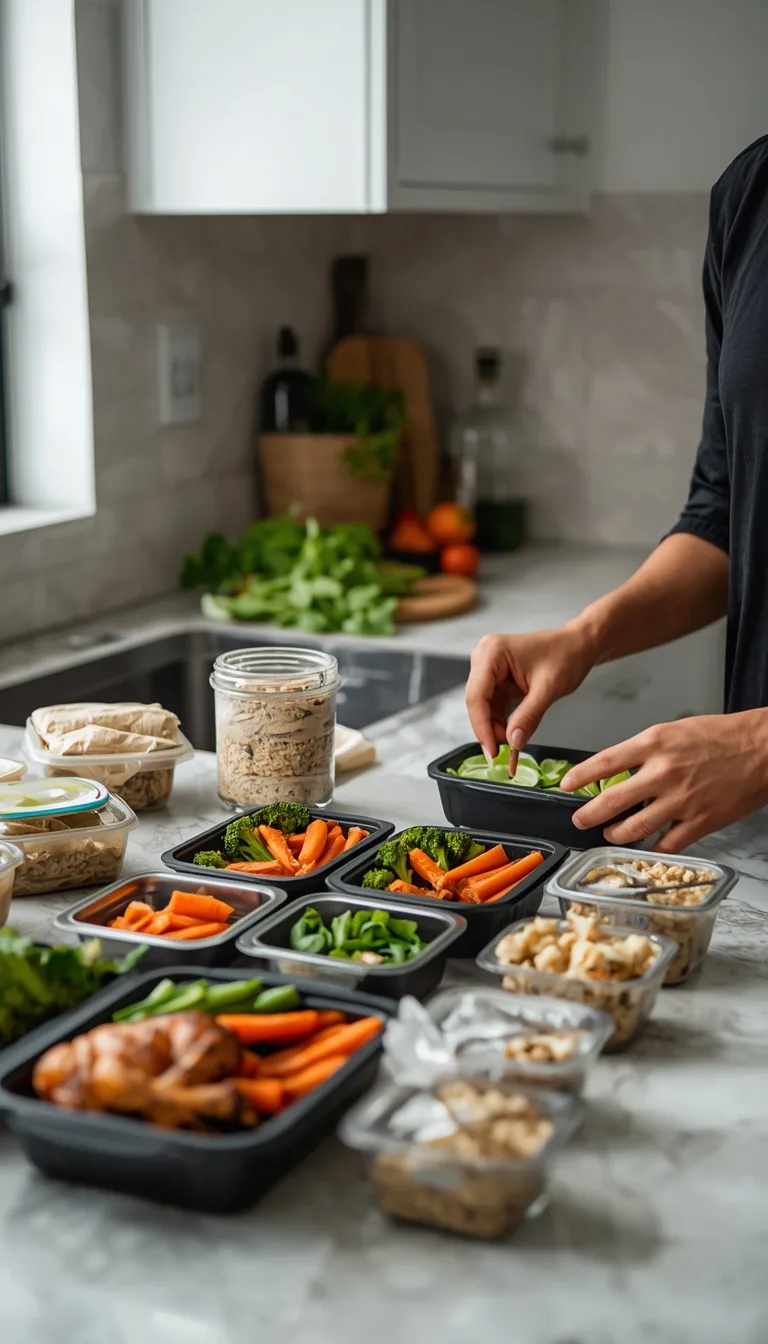
Meal prep is simply planning and preparing food in advance so that future-you has less to figure out during a busy week. You don’t need special equipment, extreme discipline, or seven identical chicken-and-broccoli containers. At its simplest, it means deciding what you’ll eat ahead of time and preparing some or all of it before you need it.
This guide (meal prep for beginners) covers everything a beginner needs: how to pick a method, how to start small, a step-by-step process, a three-week ramp-up plan, what to buy, how long food stays safe, and the mistakes that make people quit after one frustrating week.
Quick Takeaway
Start with 2 to 3 meals or meal components, not a full week. Choose foods that store and reheat well, batch your prep work (all the chopping together, all the cooking together), and portion food into containers soon after cooking. Expand only when the smaller routine feels manageable. Harvard’s Nutrition Source gives similar advice: start small and choose an approach that fits your schedule, cooking ability, preferences, and goals (Harvard Meal Prep Guide).
| Category | Details |
|---|---|
| Best for | Beginners, busy adults, anyone who wants fewer daily food decisions |
| Typical prep session | 20 to 30 minutes for a mini session, 60 to 120 minutes for a larger one |
| Meals covered | 2 to 5 lunches or dinners is a realistic start |
| Equipment | Stove, oven, cutting board, knife, mixing bowls, storage containers |
| Storage | Refrigerator for 3 to 4 days, freezer for longer-term storage |
What Meal Prep Is (and Isn’t)
Meal prep is a planning and convenience strategy, not a special diet. Preparing food ahead can help you:
- Spend less time deciding what to eat
- Reduce last-minute cooking and takeout
- Make grocery shopping more organized
- Use ingredients before they spoil
- Keep balanced meal components on hand when your schedule gets hectic
It isn’t required for healthy eating. If you prefer cooking fresh every day, that works perfectly well. Even partial prep counts: washed and chopped vegetables or a pot of cooked grains in the fridge can save real time without assembling a single full meal.
The Four Meal Prep Methods
Most guides jump straight to “cook five identical meals,” but that’s only one approach, and it doesn’t suit everyone.
| Method | What it looks like | Best for |
|---|---|---|
| Batch cooking | Cook one large recipe (chili, curry, a tray of roasted chicken) and portion it across the week | People who don’t mind eating similar meals several times |
| Individual portioning | Cook 2 to 4 different complete meals and portion each separately | People who want variety without daily cooking |
| Ingredient (component) prepping | Prepare proteins, grains, vegetables, and sauces separately without assembling full meals | People who like flexibility and mix meals night to night |
| Ready-to-go meals | Fully assembled meals, often frozen, ready to reheat | Very busy stretches such as new parenthood, exam weeks, or travel-heavy periods |
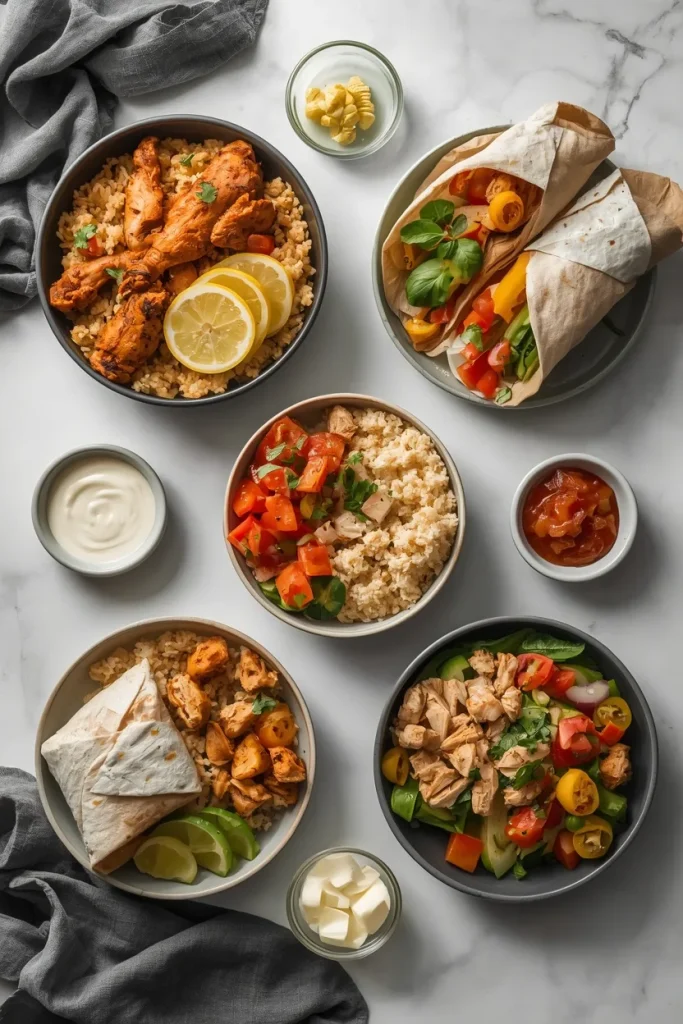
Many people end up with a hybrid: batch-cook a protein and a grain, then build two or three different meals around them. That balances effort against variety and is often the most sustainable place to start.
Before You Begin: Start With Your Busiest Meal
Don’t plan every meal of the week. Ask one question instead: which meal causes the most trouble in my week?
- Rushed lunches at work → prepare 3 lunches
- Chaotic mornings → make overnight oats or portion breakfast ingredients
- Tired weeknight dinners → batch-cook a protein and a grain
- Afternoon snack grabs → portion a few practical snacks
- Family dinners → prepare ingredients rather than complete meals
Solving one real problem makes the habit far easier to keep than trying to fix everything at once.
How to Start Meal Prepping: Step by Step
1. Choose 2 to 3 Meals or Components
Prioritize foods that reheat well: roasted vegetables, grain bowls, soups, stews, curries, stir-fries, and baked proteins. Be cautious with dressed salads (they wilt) and crispy foods (they soften in the fridge).
A beginner session might include:
| Component | Examples | How it gets used |
|---|---|---|
| Protein | Chicken, eggs, tofu, beans | Bowls, wraps, salads |
| Carbohydrate | Rice, potatoes, oats | Bowls, breakfasts, sides |
| Vegetables | Broccoli, carrots, peppers | Bowls, stir-fries, sides |
| Fresh foods | Fruit, salad greens | Snacks, breakfasts, lunches |
| Sauce | Yogurt dressing, salsa, vinaigrette | Adds variety |
You don’t have to turn all of these into finished meals. Cooked chicken, rice, and roasted vegetables can become a rice bowl on Monday, a wrap on Tuesday, and a salad on Wednesday. This component approach is often easier than eating the exact same meal every day.
2. Use a Simple Meal Formula
A useful starting framework is protein + vegetables or fruit + a carbohydrate + a suitable fat. Harvard’s Healthy Eating Plate uses a similar visual idea for building balanced meals, while noting that individual needs vary (Healthy Eating Plate).
- Breakfast: Greek yogurt, berries, oats, and nuts
- Lunch: Chicken, brown rice, roasted vegetables, and an olive oil dressing
- Dinner: Lentils, vegetables, rice, and avocado
- Vegetarian: Tofu, vegetables, quinoa, and a tahini dressing
Treat it as a framework, not a rule. Adjust it for your culture, budget, appetite, and dietary needs.
3. Plan Around Overlapping Ingredients
Choose meals that share a protein or vegetable. Roasted chicken can go into a grain bowl one day and a wrap the next. This cuts both shopping time and active cooking time, since you aren’t managing five unrelated recipes.
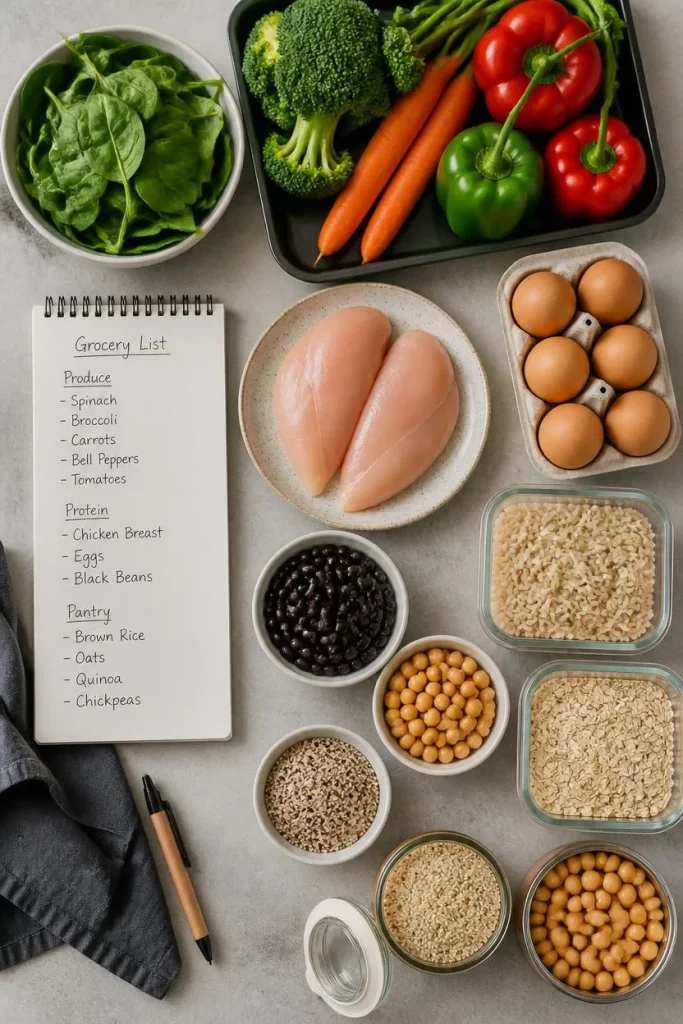
4. Shop With a Categorized List
Decide how you’ll use the groceries before you buy them, check what you already have, and write your list by store section (produce, protein, pantry) rather than by recipe. This prevents the backtracking that makes grocery trips drag.
5. Prep in Batches, Not Meal by Meal
Group similar tasks instead of finishing one meal at a time:
- Wash vegetables.
- Chop vegetables.
- Start the grain cooking.
- Prepare the protein.
- Roast or cook the vegetables.
- Make sauces or dressings.
- Portion the finished components.
- Label and store.
Harvard’s guidance suggests starting with the foods that take longest to cook and multitasking while they cook. It’s consistently faster than preparing meals one at a time.
6. Keep Some Ingredients Fresh
One of the biggest beginner mistakes is cooking everything days in advance. Some foods are better prepared closer to serving.
| Prepare ahead | Add closer to eating |
|---|---|
| Cooked grains | Salad dressing |
| Roasted vegetables | Fresh herbs |
| Cooked chicken or tofu | Avocado |
| Beans and lentils | Crunchy nuts and seeds |
| Soups and stews | Fresh greens |
| Overnight oats | Fruit that browns easily |
7. Portion and Store Strategically
You don’t have to divide everything into five identical containers. Pick the system that fits how you eat:
- Complete meals: Protein, carbohydrate, and vegetables in one container. Best for grab-and-go lunches.
- Separate components: Chicken, rice, vegetables, and sauce in different containers. More flexible.
- Family-style: Larger containers of each component, assembled into individual plates when needed. Good when different people want different combinations.
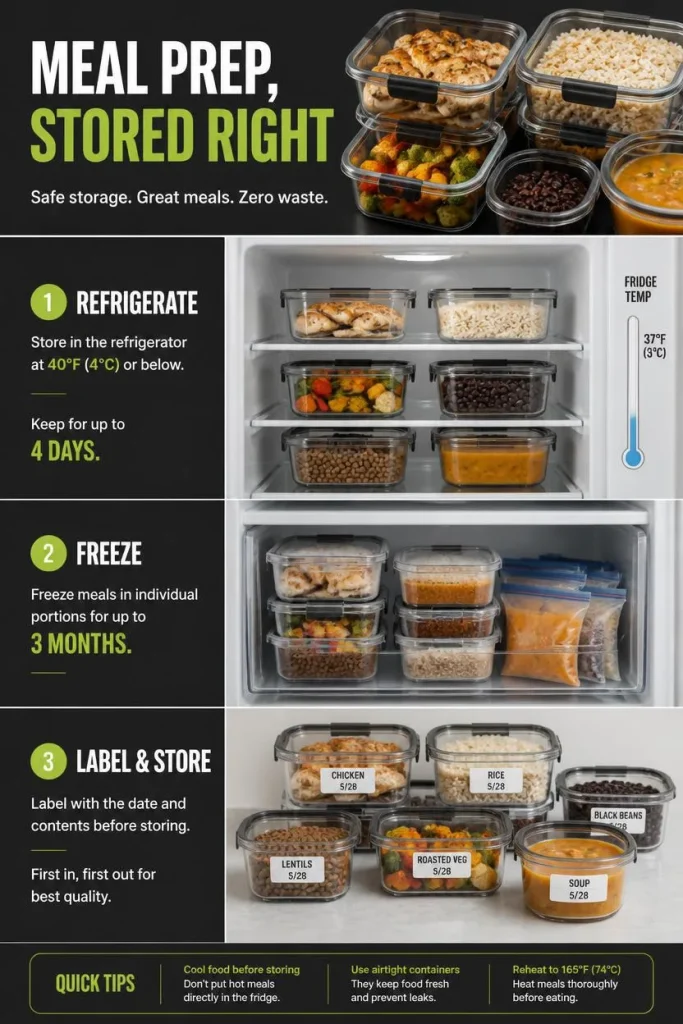
Label every container with the date it was made. Once four or five containers are stacked in the fridge, this is the only reliable way to track freshness.
Your First Three Weeks
If you’re completely new, don’t start with complicated recipes. Build up in stages.
Week 1: Prepare one protein, one carbohydrate, two vegetables, one breakfast, and one easy snack. For example: chicken, rice, roasted broccoli and carrots, overnight oats, and Greek yogurt with fruit. Combine them differently throughout the week.
Week 2: If that went well, add another protein or one more meal.
Week 3: Start experimenting with sauces, different grains, or a new recipe.
The goal is a repeatable system, not a meal-prep competition.
A Beginner’s 3-Day Example
You don’t need seven days of food. Here is a simple three-day layout:
| Day | Breakfast | Lunch | Dinner |
|---|---|---|---|
| Monday | Greek yogurt, fruit, oats | Chicken rice bowl | Fresh vegetable omelet |
| Tuesday | Overnight oats | Chicken wrap | Lentil curry with rice |
| Wednesday | Eggs, whole-grain toast, fruit | Chicken salad | Fresh fish or tofu with vegetables |
What gets prepared ahead: cooked chicken for the lunches, a batch of rice, roasted mixed vegetables, and two portions of overnight oats. Salad greens, fruit, and toppings stay separate until needed. That gives you prepared components without forcing every meal to be identical.
Sample Prep Sessions
The 20 to 30 Minute Mini Session
If an hour feels unrealistic, start here: wash and chop vegetables, cook one protein, and cook one carbohydrate. Even that makes the next few days easier.
The 60-Minute Session
| Task | What to prepare | Approx. time |
|---|---|---|
| Plan | Choose meals, check ingredients | 5 to 10 min |
| Prep | Wash and chop vegetables | 10 to 15 min |
| Cook | Cook grains or potatoes | 15 to 25 min |
| Cook | Cook protein | 15 to 25 min |
| Assemble | Portion meals and components | 10 min |
| Store | Label and refrigerate or freeze | 5 min |
Times vary by ingredient, quantity, and appliance. Treat them as planning estimates, not a strict schedule.
A Two-Stage Weekly Rhythm
Splitting prep across the week is often easier than one big session.
- Weekend session (30 to 60+ minutes): Plan, shop, wash and chop produce, cook one or two proteins and carbohydrates, portion snacks, and make sauces.
- Midweek reset (15 to 30 minutes): Check what’s left, cook a fresh batch of vegetables or protein if needed, move frozen portions to the fridge, and use anything that needs eating soon.
Meal Prep for Beginners I Grocery List
You don’t need everything here. Choose ingredients that overlap across several meals.
Protein: chicken breast or thighs, ground turkey or lean beef, eggs, Greek or plain yogurt, canned or dried beans, lentils, tofu or tempeh, fish if desired
Vegetables: broccoli, bell peppers, spinach or other greens, carrots, onions, tomatoes, frozen mixed vegetables
Fruit: bananas, apples, oranges, fresh or frozen berries
Grains and carbohydrates: rice (white or brown), quinoa, potatoes or sweet potatoes, oats, whole wheat pasta, whole-grain bread or wraps
Pantry and fats: olive oil, canned tomatoes, low-sodium broth, soy sauce or tamari, nuts or seeds, avocado, peanut or other nut butter
Flavor: garlic, lemon or lime, herbs, cumin, paprika, black pepper, salsa, yogurt-based sauces
Equipment and Containers
You don’t need specialty gear, but the right containers help food hold up better.
| Container type | Pros | Cons | Best for |
|---|---|---|---|
| Glass | Resists stains and odors, microwave- and oven-safe, durable | Heavier, can break | Everyday use and oven reheating |
| BPA-free plastic | Lightweight, inexpensive, stackable | Stains from tomato sauces or turmeric, holds odors | A budget-friendly start |
| Mason jars | Great for layered salads, overnight oats, dressings | Not ideal for hot food, can crack with sudden temperature change | Cold meals and breakfasts |
| Silicone freezer bags | Freeze flat to save space, reusable | Usually not microwave-safe, check manufacturer guidance | Soups, sauces, marinated proteins |
A basic kitchen scale is optional but useful for consistent portioning.
Storage and Food Safety
Food safety is the one area where it’s worth following official guidance precisely rather than going by feel.
- Refrigerator: The USDA advises keeping the fridge at or below 40°F (4°C) and using cooked leftovers within 3 to 4 days (USDA FSIS: Leftovers and Food Safety). Use shallow containers so food cools faster.
- The two-hour rule: Don’t leave perishable food at room temperature for more than 2 hours, or 1 hour if it’s above 90°F (32°C) (FDA: Safe Food Handling). Refrigerate or freeze promptly rather than letting food sit on the counter.
- Freezer: Freeze portions you won’t use within the refrigerated window. Grain-, protein-, and soup-based meals freeze best. Label with the food name and date.
- Reheating: Reheat leftovers to an internal temperature of 165°F (74°C).
- When in doubt, throw it out.
Want a deeper breakdown by food type? See our dedicated guide on how long meal prep lasts in the fridge. It’ll be really helpful to do meal prep for beginners.
Storage Guide by Food Type
| Food type | Refrigerator | Freezer | Notes |
|---|---|---|---|
| Cooked chicken, beef, turkey | 3 to 4 days | 2 to 3 months | Reheat to 165°F (74°C) |
| Cooked rice, quinoa, pasta | 3 to 4 days | 1 to 2 months | Cool and refrigerate quickly, don’t leave out |
| Cooked beans, lentils | 3 to 4 days | 2 to 3 months | Freeze well |
| Roasted or steamed vegetables | 3 to 4 days | 2 to 3 months | Soften after freezing, better in soups and stews |
| Fresh salads, leafy greens | 1 to 2 days | Not recommended | Store dressing separately |
| Soups and stews | 3 to 4 days | 2 to 3 months | Among the most freezer-friendly options |
| Dairy-based sauces | 2 to 3 days | Not recommended | Tend to separate when frozen |
Reheating Methods Compared
| Method | Best for | Notes |
|---|---|---|
| Microwave | Grain bowls, soups, everyday meals | Fastest; cover and stir halfway for even heating |
| Oven | Roasted vegetables, casseroles | Slower (10 to 20 min) but preserves texture |
| Stovetop | Soups, stir-fries, sauces | Add a splash of liquid to prevent drying |
| Air fryer | Proteins, roasted vegetables | Restores crispness lost in the fridge |
How to Keep Meal Prep From Getting Soggy
Texture is one of the biggest beginner challenges.
Keep these separate when possible: dressings, sauces, fresh greens, crunchy toppings, avocado, and fresh herbs.
Choose foods that hold up: grain bowls, roasted vegetables, soups, stews, curries, cooked beans, and baked proteins. For a salad, prepare the vegetables and protein ahead and assemble shortly before eating. Roasting vegetables at a higher temperature also helps them keep their texture after reheating.
How to Keep Meal Prep From Getting Boring
Variety doesn’t require completely new recipes. Change the flavor and the format.
Take the same chicken, rice, and vegetables and try:
- Mediterranean: lemon, herbs, and yogurt sauce
- Mexican-inspired: salsa, beans, and lime
- Asian-inspired: ginger, garlic, and low-sodium soy sauce or tamari
- Simple: olive oil, lemon, and black pepper
Then change the format: bowl, wrap, salad, sandwich, or stir-fry. The same prepared ingredients feel like different meals this way.
Common Meal Prep Mistakes
| Mistake | Why it happens | Better approach |
|---|---|---|
| Prepping too many meals at once | Overestimating time or appetite for repetition | Start with 2 to 3 meals and build gradually |
| Preparing seven identical meals | Trying to save as much time as possible | Use flexible components |
| Cooking too much | Not knowing your real appetite yet | Make a smaller batch until you learn your routine |
| Leaving food out too long | Waiting for it to cool completely | Use shallow containers and refrigerate within 2 hours |
| One giant container | Convenience while cooking | Portion into individual containers |
| Making salads too early | Convenience | Store dressing and delicate items separately |
| Skipping labels | Assuming you’ll remember | Date every container |
| Freezing high-water foods | Not expecting texture changes | Reserve the freezer for grain-, protein-, and soup-based meals |
| Treating prep as a strict diet | Confusing preparation with restriction | Use it as a convenience system |
Meal Prep for Different Goals and Needs
A Healthy, Balanced Week
Meal prep should make nutritious choices easier, not turn eating into a math exercise. Include a mix of proteins (chicken, fish, eggs, yogurt, tofu, beans), a variety of vegetables and fruit, carbohydrate sources (oats, rice, potatoes, quinoa, whole-grain bread), and healthy fats (nuts, seeds, avocado, olive oil). The goal isn’t to make every container nutritionally identical. Think about your overall eating pattern across the week.
Fat-Loss Goals
Meal prep can make portions and food choices easier to plan, but it doesn’t automatically cause weight loss. A practical approach includes a protein source at meals, plenty of vegetables and fruit, high-fiber carbohydrates, sensible portions of calorie-dense foods, and meals you enjoy enough to repeat. You don’t need to eliminate carbohydrates or prepare tiny meals. For more on building sustainable habits, see how to lose weight without extreme dieting.
Higher-Protein Prep
Choose one main protein source for each main meal, then prepare proteins separately so you can use them all week: cooked chicken, boiled eggs, portioned Greek yogurt, beans or lentils, and tofu. A batch of Greek yogurt protein oats covers mornings with almost no daily effort.
Vegetarian
Build around lentils, beans, chickpeas, tofu, tempeh, and eggs or dairy if you include them. These generally cook faster than meat, which can shorten prep time. Three sample meals: a lentil rice bowl with vegetables, a tofu vegetable stir-fry with rice, and a chickpea salad wrap with yogurt dressing.
Budget-Friendly
Meal prep is often framed as a time-saver, but it’s also a reliable way to cut food spending, mainly by reducing impulse takeout and waste. Lean on dried or canned beans, lentils, eggs, oats, rice, potatoes, frozen vegetables, and seasonal produce. Frozen vegetables are especially useful because they require little prep and reduce pressure to use fresh produce before it spoils. Plan several meals around overlapping ingredients instead of buying a different set for every recipe.
Gluten-Free
Swap wheat-based grains for rice, quinoa, or certified gluten-free oats, and check sauce and seasoning labels, since soy sauce and some broths often contain gluten.
Family-Friendly
Families don’t need five identical containers. Prepare shared components, such as roasted chicken, rice, roasted carrots and broccoli, plus extras like avocado, yogurt sauce, and salsa. One person builds a rice bowl, another makes a wrap, and another keeps everything separate.
Meal Prep Checklist
- Pick your busiest meal and choose 2 to 3 meals or components
- Check the fridge and pantry
- Write a grocery list by category
- Wash and chop vegetables in one batch
- Cook proteins and grains
- Make sauces and keep them separate
- Portion into labeled, airtight containers
- Refrigerate or freeze promptly
- Keep fresh toppings separate
- Plan when you’ll use each prepared item
Frequently Asked Questions
How many meals should beginners start with? Two to three meals or components. Trying to prep every meal for a full week in your first session is the most common reason people burn out after a week or two.
How long does meal prep take? A mini session can take 20 to 30 minutes, and a larger batch-cooking session 60 to 120 minutes or more. Quantity, recipes, and equipment all affect it, and the time drops once you have a routine.
Can I meal prep for an entire week? You can prepare some food for later in the week, but refrigerated cooked leftovers should be used within 3 to 4 days according to USDA guidance. Freeze portions you’ll eat later in the week.
Can all meal-prepped food be frozen? No. Fresh greens, cucumber, and other high-water foods turn watery or wilted after thawing. Grain-, protein-, and soup-based meals freeze far better.
How do I prevent soggy food? Store sauces and dressings separately, and add crispy or fresh ingredients right before eating.
Do I need special containers? No. Any airtight, microwave- and freezer-safe container works. Glass tends to last longer and resists stains, but it’s a preference.
What if I don’t like eating the same meal repeatedly? Use component prepping or individual portioning. One batch of chicken, rice, and vegetables can become bowls, wraps, salads, or stir-fries with different seasonings.
What are the best foods for beginner meal prep? Foods that store and reheat well: cooked grains, roasted vegetables, beans, lentils, soups, stews, baked proteins, overnight oats, and portioned snacks.
Is meal prep good for weight loss? It can make portions and food choices easier to plan, but it doesn’t guarantee weight loss. Overall intake, food choices, activity, and individual factors all matter.
Final Thoughts
Meal prep doesn’t have to be all-or-nothing. Start with the problem you actually want to solve: weekday lunches, tired dinners, rushed mornings, or constant snack grabs. Choose recipes that reheat well, build a simple system for storage, and let it grow from there.
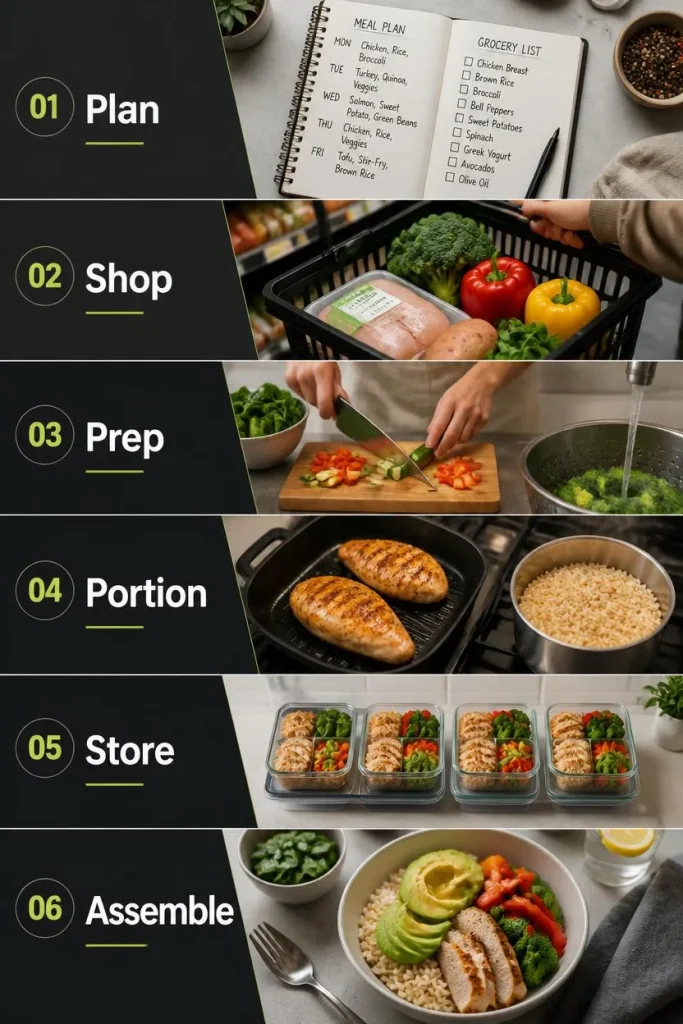
A simple loop to remember is Plan → Shop → Prep → Portion → Store → Assemble. Once that feels comfortable, add more variety or more meals. The best routine isn’t the one that prepares the most food. It’s the one that makes your ordinary week a little easier without making your kitchen routine harder.