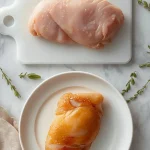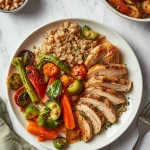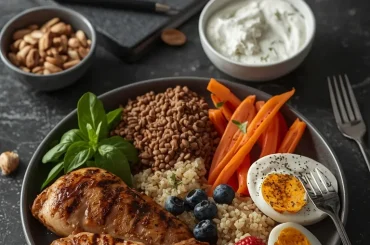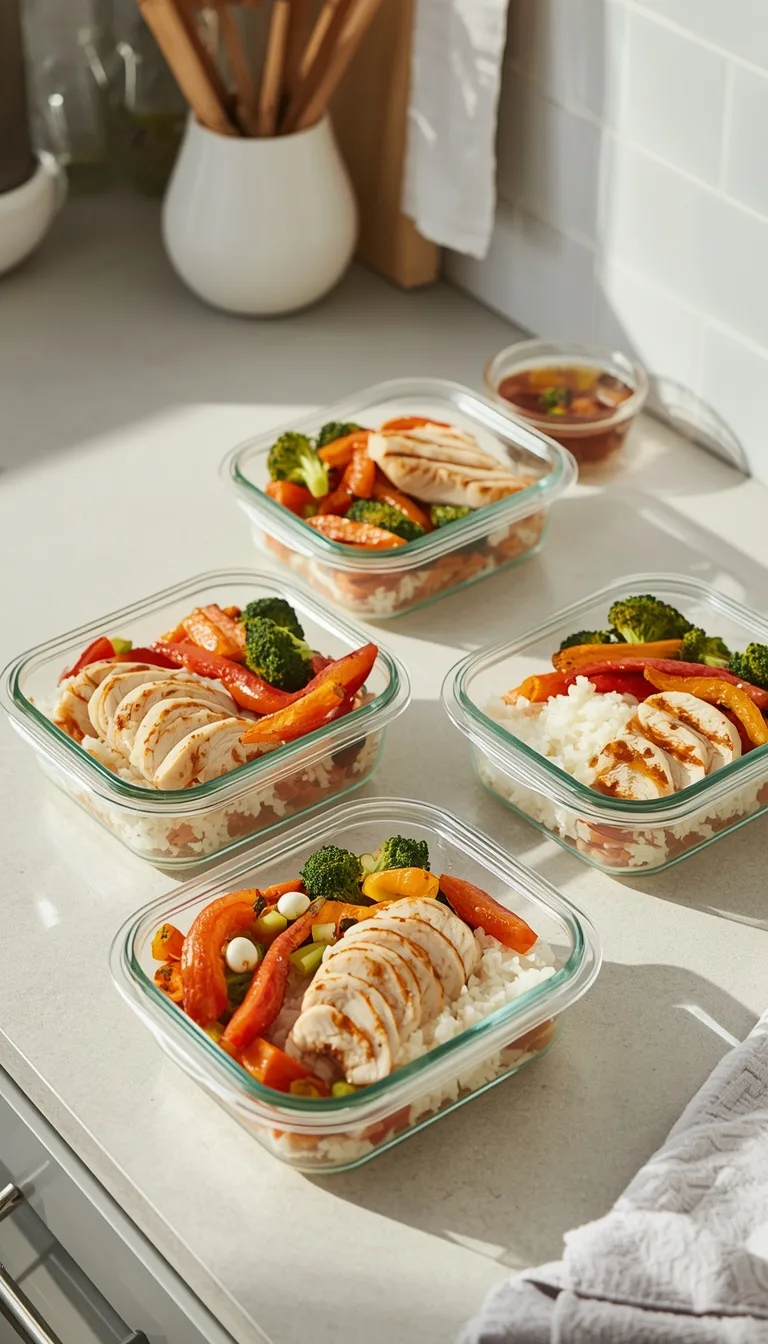
The classic meal-prep combo — grilled chicken, rice, and roasted vegetables — is popular for a reason: it’s balanced, portable, and easy to batch-cook. The problem shows up two or three days later, when that same chicken tastes like cardboard, the rice has turned into a dense clump, and the vegetables have gone rubbery or mushy.
None of this is inevitable. Dryness and texture loss in meal prep almost always come down to a handful of fixable issues: how the food is cooled, how it’s stored, what container it’s in, and how it’s reheated. Know how to keep meal prep from drying out fixing those four things and the same meals that used to taste sad by Wednesday will hold up through the whole week.
Quick Answer
Meal-prepped chicken, rice, and vegetables dry out mainly because of moisture loss during cooling, storage, and reheating — not because the food is inherently bad after a day or two. The fixes that matter most: cool food properly before sealing it, store it in airtight containers that limit air exposure, keep a thin layer of sauce, broth, or oil with the protein, and reheat gently with added moisture (like a splash of water or broth) rather than blasting it dry in the microwave. Rice needs its own approach since it dries and hardens differently than chicken or vegetables.
Why Meal-Prepped Food Dries Out in the First Place
Three things work against your food after it’s cooked:
- Moisture evaporation in the refrigerator. Cold, dry refrigerator air pulls moisture out of food, especially when it’s stored uncovered or loosely covered.
- Protein structure changes over time. Cooked proteins naturally continue to tighten and lose moisture as they sit, even under ideal storage conditions. This is a normal part of how cooked meat behaves, not a sign that something went wrong.
- Reheating that drives out the remaining moisture. A microwave on high power heats food unevenly and fast, which pushes out whatever moisture is left — this is usually the single biggest cause of “dry” meal prep, more than the storage itself.
Understanding which of these three is affecting your meals helps you target the actual fix instead of just adding more sauce and hoping for the best.
Cooling Food Correctly Before Storage
What you do in the first hour after cooking has a bigger impact on moisture retention than most people realize.
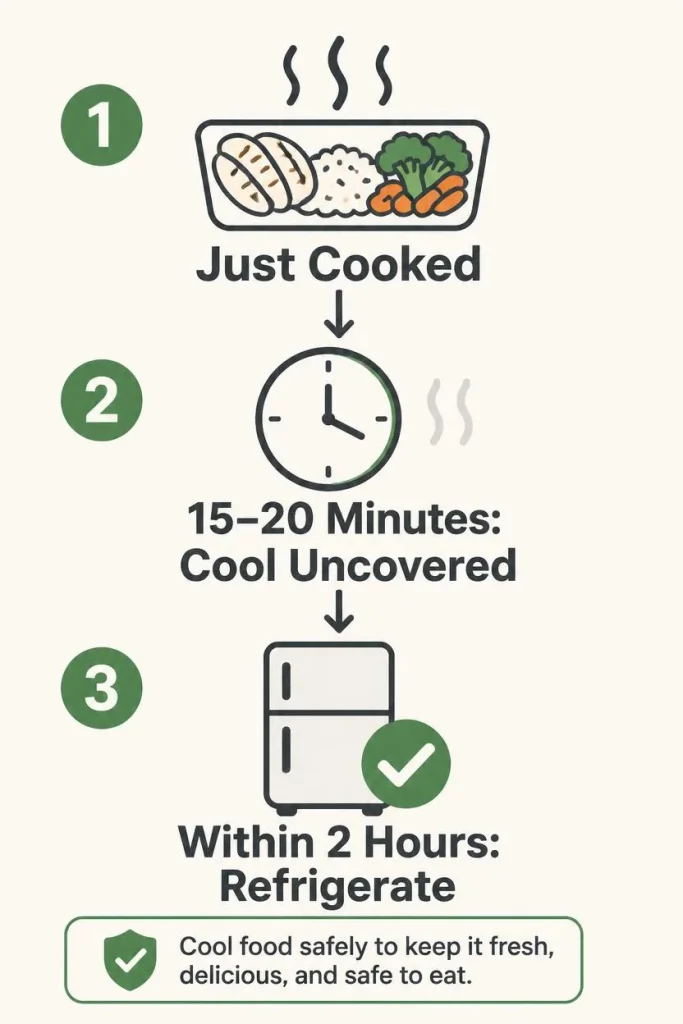
Cooked food should not sit out at room temperature for more than about 2 hours, since bacteria multiply fastest in the “danger zone” between 40°F and 140°F (4°C and 60°C). But going straight from a hot pan into a sealed, airtight container and the fridge can trap steam inside, which leads to condensation that makes vegetables soggy and can affect texture unevenly.
The practical balance:
- Let food cool on the counter for about 15-20 minutes, uncovered, to release the worst of the steam.
- Portion it into containers once it’s no longer steaming hot.
- Refrigerate within the 2-hour window from when cooking finished.
This timing protects both food safety and texture — reliable guidance on safe cooling and storage windows comes from the USDA Food Safety and Inspection Service’s guidance on handling cooked leftovers (USDA FSIS: Leftovers and Food Safety).
Storing Each Component the Right Way
Chicken (or Other Proteins)
The single most effective trick for keeping meal-prepped chicken from drying out is storing it with a thin layer of moisture rather than bare.
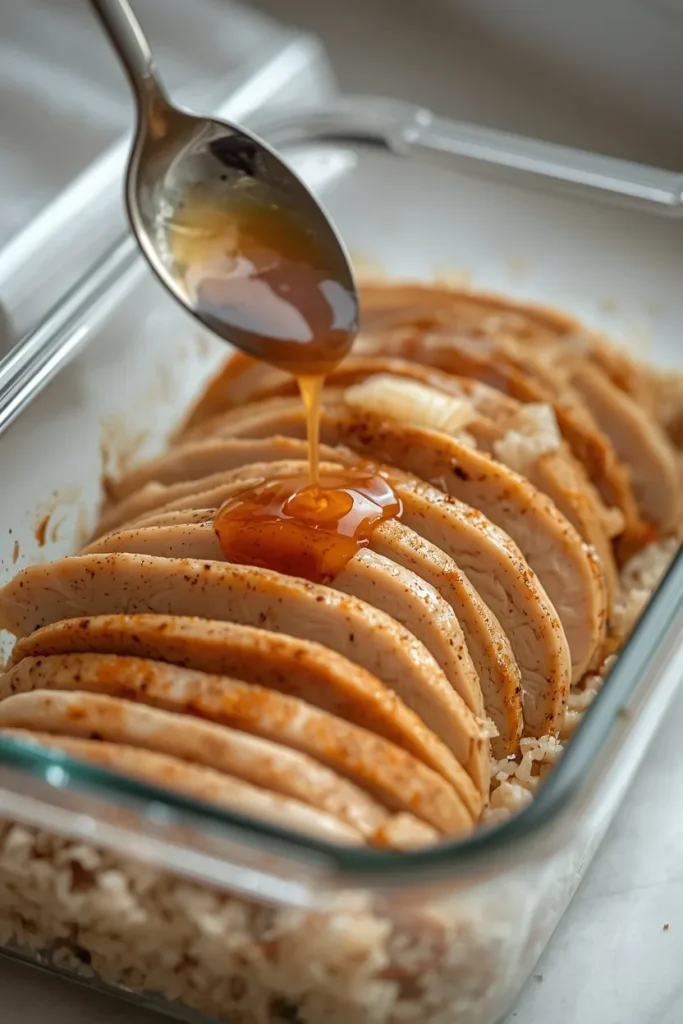
- Toss cooked, sliced chicken with a tablespoon or two of its own cooking juices, a light drizzle of olive oil, or a few tablespoons of broth before sealing the container.
- If you used a marinade or sauce, reserve a small amount specifically to add back in during storage, rather than using it all during cooking.
- Store chicken breast pieces larger rather than pre-slicing thin, when possible — more surface area exposed to air means faster moisture loss. Slice just before reheating if you can.
Rice
Rice behaves differently than protein. It doesn’t “dry out” in the same way — it hardens and clumps as the starch structure changes during cooling, a process called starch retrogradation.
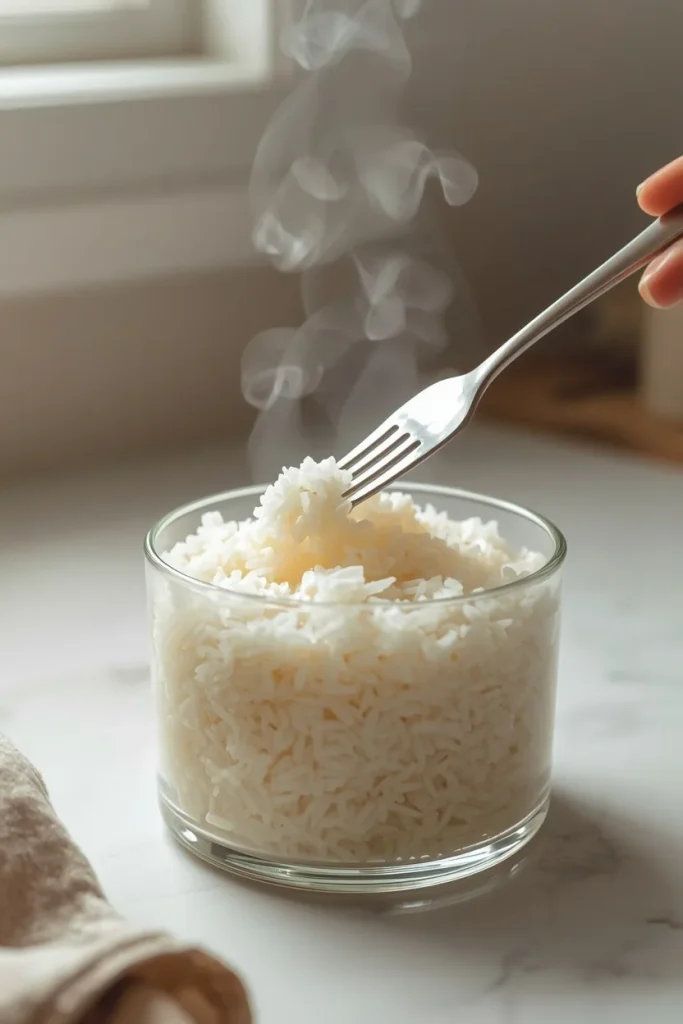
- Fluff rice with a fork before storing to prevent it from compacting into a dense block.
- Store rice in a shallow, wide container rather than a deep one, which helps it cool faster and more evenly, reducing clumping.
- A small amount of oil or butter mixed in before storage can help keep grains more separate, though this is optional and adds a modest amount of calories.
Rice has one additional consideration that chicken and vegetables don’t: cooked rice left at unsafe temperatures can support the growth of Bacillus cereus, a bacteria that can survive cooking as spores and multiply if rice cools too slowly or sits out too long. This is part of why the cooling guidance above matters specifically for rice — cool it promptly rather than leaving a large pot out to cool gradually on the counter.
Vegetables
Vegetables are the most texture-sensitive component of the three.
- Store vegetables separately from sauces or dressings when possible, adding them just before eating, since liquid speeds up sogginess.
- Roasted vegetables hold their texture noticeably better than steamed or boiled vegetables, since they start with less internal water content.
- Avoid overcooking vegetables initially — slightly firmer (not mushy) vegetables at the start of storage hold up far better through several days of reheating than vegetables cooked until fully soft.
Container Choice Matters More Than People Expect
| Container Type | Effect on Moisture | Best For |
|---|---|---|
| Airtight glass or plastic containers | Minimizes air exposure, slows drying | All components, especially chicken and rice |
| Loosely covered plates or bowls | Allows significant moisture loss | Not recommended for multi-day storage |
| Divided meal-prep containers | Keeps components separate, prevents sogginess from liquid transfer | Ideal when storing sauce-sensitive vegetables alongside rice |
| Vacuum-sealed bags | Maximizes moisture retention, especially for freezing | Best for longer-term storage or freezing cooked chicken |
If you only make one change to your current setup, switching from loosely covered containers to properly sealed, airtight ones addresses a large share of the moisture-loss problem on its own.
How to Reheat Without Drying Everything Out
This is where most meal-prepped food goes wrong, even when storage was done correctly.
Chicken
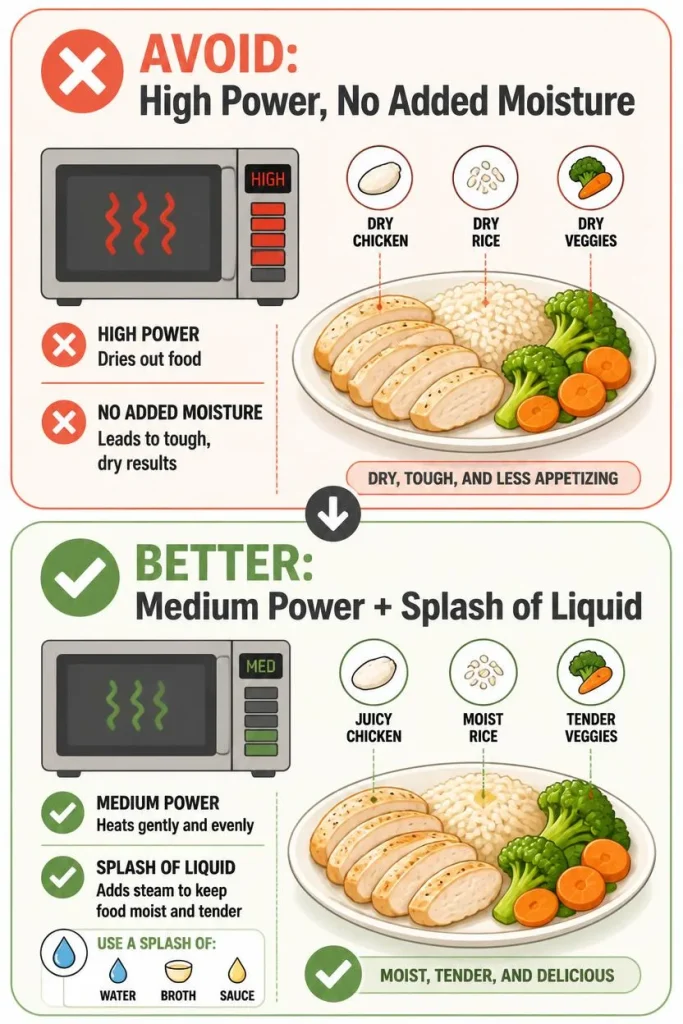
- Add moisture before reheating. A tablespoon of water, broth, or sauce added to the container before microwaving creates steam that helps rehydrate the surface of the meat.
- Use medium power, not high. High-power microwaving cooks the outer layer of the chicken again, squeezing out more moisture. Medium power (50-70%) heats more gently and evenly.
- Cover the container while reheating (venting slightly) to trap steam rather than letting it escape.
- Reheat to 165°F, checked with a food thermometer if you have one, which is the standard safe reheating temperature recommended for cooked leftovers (USDA FSIS: Leftovers and Food Safety).
Rice
- Sprinkle a small amount of water over rice before reheating (roughly 1 tablespoon per cup of rice) and cover it. The added moisture steams the rice back to a closer approximation of fresh texture.
- Fluff with a fork immediately after reheating to break up any remaining clumps.
Vegetables
- Reheat vegetables separately from chicken and rice when possible, since they typically need less time and can turn mushy if reheated as long as the other components.
- A quick reheat in a dry pan or air fryer for a minute or two can restore some texture to roasted vegetables better than a microwave, which tends to steam them further.
A Practical Weekly Meal-Prep Storage Schedule
| Day | What to Do | Why |
|---|---|---|
| Prep day | Cool components separately, portion into airtight containers, add a light moisture layer to chicken | Sets the foundation for texture retention all week |
| Days 1-2 | Reheat as needed using the moisture-added method above | Texture loss is minimal in the first couple of days |
| Days 3-4 | Check for any off smells or sliminess before reheating; add slightly more moisture if chicken seems drier | Natural moisture loss becomes more noticeable by this point |
| Day 4+ | Finish remaining portions or freeze if you won’t eat them within the USDA-recommended refrigerator window | Refrigerated leftovers are generally recommended for use within about 3-4 days |
This kind of structure fits naturally into a broader beginner meal-prep system, where planning storage and reheating in advance is just as important as the cooking itself.
Freezing as a Moisture-Preservation Strategy
Freezing can actually preserve texture better than extended refrigeration, since it halts moisture loss almost entirely once food is fully frozen.
- Chicken: Freezes well, especially when portioned with a bit of sauce or broth to protect against freezer burn, which is itself a form of moisture loss caused by air exposure.
- Rice: Freezes reasonably well; thaw and reheat with added water as described above.
- Vegetables: Freezing affects texture more than chicken or rice, particularly for vegetables with high water content (zucchini, cucumber). Roasted root vegetables and broccoli tend to hold up better than watery vegetables.
According to USDA guidance, frozen leftovers remain safe to eat indefinitely from a food-safety standpoint, but quality — including moisture and flavor — declines over time, so using frozen meal-prep components within a few months gives the best results (USDA FSIS: Leftovers and Food Safety).
Moisture-Boosting Add-Ins Worth Keeping on Hand
A small stash of the right liquids makes the moisture-protection steps above much easier to follow on a busy prep day.
| Add-In | Best Paired With | Effect |
|---|---|---|
| Low-sodium chicken or vegetable broth | Chicken, rice | Adds moisture without significantly changing flavor; easy to keep on hand in small containers |
| Olive oil or avocado oil | Chicken, roasted vegetables | Light coating helps slow surface moisture loss; adds calories, so use sparingly |
| Reserved marinade or sauce (uncooked-food portion set aside before marinating raw meat) | Chicken | Adds flavor and moisture together; only use a portion that never touched raw meat |
| Light vinaigrette | Vegetables, added at serving time rather than storage | Prevents sogginess if added last-minute instead of during storage |
| Plain water | Rice | Simplest option for reheating; doesn’t affect flavor |
Keeping two or three of these on hand means you’re never choosing between “add nothing and risk dryness” or “drown it in sauce and change the whole dish.”
Real-World Examples
Busy beginner, limited time: Keep it simple — toss chicken with a tablespoon of its own pan juices before sealing, use a shallow container for rice, and add vegetables to the reheating step last, with a short 30-60 second finish so they don’t overcook.
Cooking for a family, larger batches: Larger batches cool more slowly, which increases the importance of portioning into smaller, shallower containers rather than one large pot or tray — this speeds safe cooling and keeps texture more consistent across the whole batch.
Small kitchen, limited container options: If you don’t have a full set of airtight meal-prep containers, resealable freezer bags with the air pressed out work as a reasonable substitute for chicken and rice, though they’re less practical for vegetables that need to keep their shape.
Repurposing Leftovers Instead of Reheating the Same Plate
If a component is starting to lose texture by day three or four, repurposing it often works better than reheating it the same way every time:
- Chicken: Chop and fold into a wrap or sandwich, where slightly firmer texture is less noticeable, or add to a salad.
- Rice: Use in a quick fried rice, which actually benefits from rice that’s a day or two old and slightly dried out, since it fries up less sticky.
- Vegetables: Blend softened vegetables into a quick soup base, or chop and fold into an omelet or scramble for a different breakfast use.
This approach also reduces food waste, which fits naturally alongside a broader realistic, busy-schedule approach to healthy eating rather than expecting every meal-prepped portion to taste exactly like it did on day one.
Common Mistakes That Dry Out Meal Prep
| Mistake | Why It Happens | Better Approach |
|---|---|---|
| Storing chicken completely plain, with no added moisture | Seems simpler, but leaves nothing to protect against moisture loss | Add a small amount of broth, sauce, or oil before sealing |
| Reheating on full microwave power | Fastest option, but pushes moisture out of the food | Use medium power and add a splash of liquid before reheating |
| Sealing food while it’s still steaming hot | Trapped steam condenses and makes food soggy in some spots while drying others | Let food cool briefly, uncovered, before sealing |
| Storing rice in a deep, tightly packed container | Traps heat, slows cooling, and compacts the rice into a dense block | Use a shallow container and fluff before storing |
| Mixing sauce-heavy vegetables with rice during storage | Liquid migrates and makes rice soggy while leaving vegetables under-flavored | Store sauces and dressings separately, add at serving time |
| Reheating all three components together for the same amount of time | Vegetables overcook while chicken may still need more time, or vice versa | Reheat components separately when time allows, or add vegetables partway through |
Before-You-Store Checklist
- [ ] Let hot food cool uncovered for 15-20 minutes before sealing
- [ ] Refrigerate within 2 hours of finishing cooking
- [ ] Add a light layer of broth, sauce, or oil to chicken before sealing
- [ ] Use airtight containers, ideally shallow ones for rice
- [ ] Store sauces and dressings separately from rice and vegetables
- [ ] Label containers with the prep date to track the 3-4 day refrigerator window
- [ ] Freeze any portions you won’t eat within that window
Frequently Asked Questions
How long can I safely keep meal-prepped chicken, rice, and vegetables in the fridge? Current USDA guidance recommends using refrigerated leftovers within about 3-4 days for best safety and quality (USDA FSIS: Leftovers and Food Safety). If you won’t eat a portion within that window, freezing is a better option than extending refrigerator storage.
Why does my chicken dry out even when I store it in a sealed container? Sealing prevents air exposure, but it doesn’t add back moisture the chicken naturally loses as it sits. Adding a small amount of broth, sauce, or oil before sealing — and reheating gently with added liquid — addresses this more directly than container choice alone.
Is it safe to reheat rice that’s been in the fridge for a few days? Yes, as long as it was cooled properly after cooking and stored within the recommended refrigerator window, then reheated to a safe internal temperature. Rice that smells off, looks slimy, or has visible discoloration should be discarded rather than reheated.
Can I prevent vegetables from getting soggy in meal prep? Storing them separately from sauces, slightly undercooking them initially, and reheating briefly in a dry pan or air fryer rather than a microwave all help preserve texture better than storing everything mixed together.
Does adding oil or butter to rice before storing actually help? It can help keep grains from clumping together as tightly, though it’s not strictly necessary — fluffing the rice and using a shallow container for faster, more even cooling matters more for texture than added fat.
Is freezing better than refrigerating for keeping food moist? For longer storage, generally yes, since freezing halts most moisture loss once food is fully frozen. For food you’ll eat within a few days, proper refrigeration with the techniques above is simpler and works well without needing a freeze-thaw cycle.
Can I use the same reheating method for all three components at once? It’s convenient, but vegetables and chicken often need different reheating times to avoid overcooking one while the other stays cold. When time allows, reheating components separately — or adding vegetables partway through — gives better results across the whole plate.
Does drier, reheated chicken still have the same protein content as when it was first cooked? Yes. Moisture loss during storage and reheating affects texture and water content, not the actual protein in the food. The protein amount stays essentially the same whether the chicken feels juicy or dry — for more on how water content affects nutrition numbers specifically, see FitVibe’s guide to comparing protein in raw and cooked foods.
Conclusion
Dry, disappointing meal prep isn’t a sign you’re doing something fundamentally wrong — it’s usually one or two fixable habits: cooling food properly before sealing it, storing protein with a bit of built-in moisture, and reheating gently with added liquid instead of blasting everything on high power. Rice and vegetables each have their own small adjustments, but none of this requires special equipment or a dramatically different routine.
Apply these changes to your next prep day, and the meals you eat on day four should taste a lot closer to the meals you ate on day one. Small, consistent habits — cooling food properly, storing components with a bit of built-in moisture, and reheating gently — matter far more here than any single ingredient or gadget, which is exactly the kind of sustainable, repeatable approach that makes meal prep worth sticking with long-term.
Save This Guide: Quick Reference
- Cool first: 15-20 minutes uncovered, then refrigerate within 2 hours
- Protect chicken: Add broth, sauce, or oil before sealing
- Rice: Shallow container, fluff before storing, add water before reheating
- Vegetables: Store sauces separately, reheat briefly and separately when possible
- Reheat smart: Medium microwave power + a splash of liquid, not full power and dry
- Fridge window: About 3-4 days; freeze anything you won’t finish in that time
- Safe reheat temperature: 165°F, checked with a food thermometer when possible