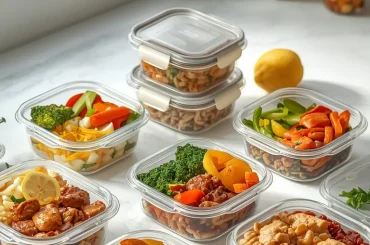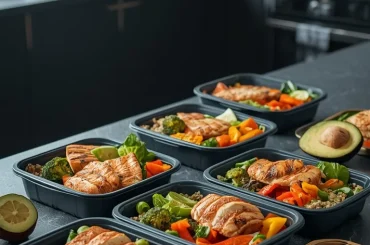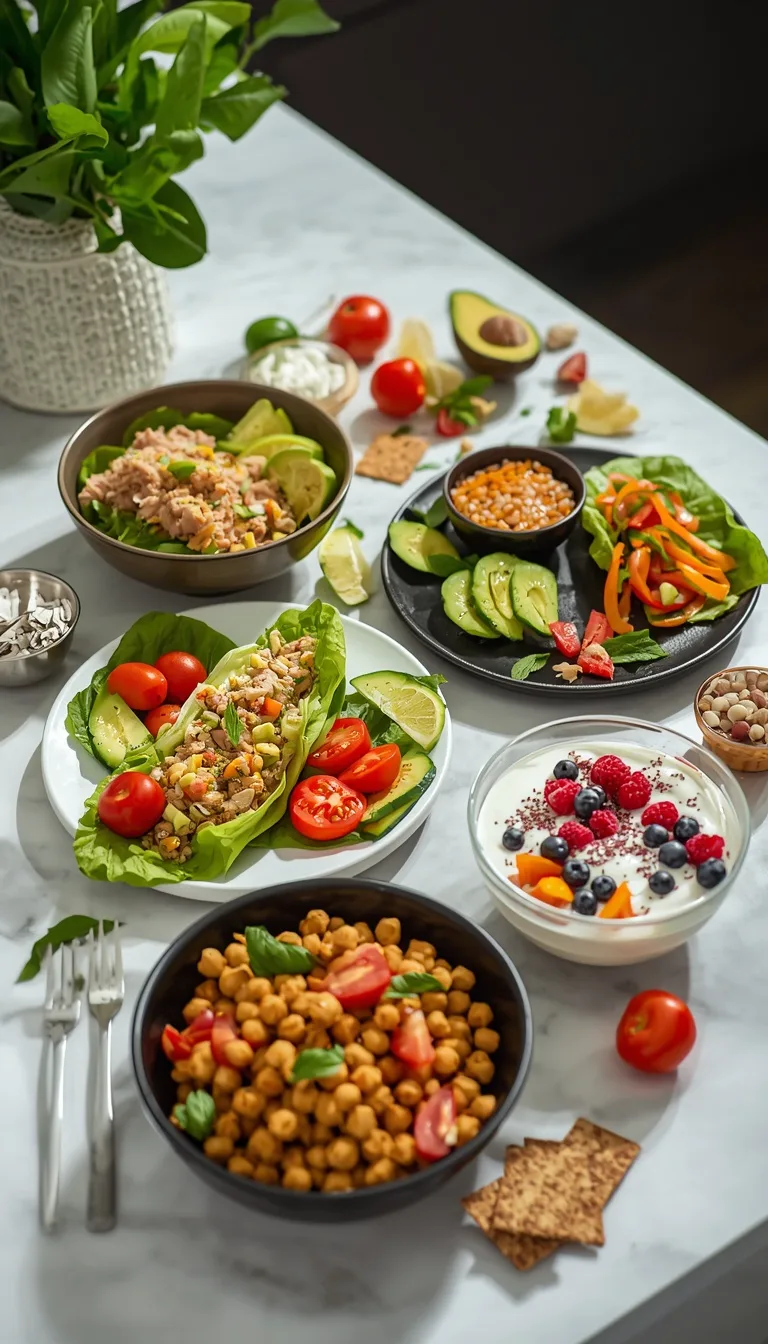
Most “No-Cook High-Protein Lunches” advice stops at a list of combinations: tuna and vegetables, yogurt and fruit, turkey and a wrap. That is a starting point, not a recipe. It doesn’t tell you how much tuna to use, how much yogurt makes a real lunch, or whether the result gives you 12 grams of protein or 30.
This guide gives you actual recipes with measured portions. Each one lists exact amounts for a single serving, rough protein and calorie numbers, prep time, and a tip for making it work on a busy day. Everything is assembled without a stove, oven, or microwave, and most recipes take 5–10 minutes.
The goal isn’t a perfect lunch every day. It’s a practical meal built around a protein source, with vegetables or fruit, a fiber-rich carbohydrate, and a modest amount of healthy fat. That matches the CDC’s advice on healthier meals and snacks, which recommends a varied pattern of protein foods, vegetables, fruits, whole grains, and dairy without added sugars.
The 8 Recipes at a Glance
| Recipe | Protein | Calories | Prep time | Needs refrigeration? |
|---|---|---|---|---|
| 1. Classic tuna salad bowl | ~28 g | ~320 | 5 min | Yes, once opened |
| 2. Turkey lettuce wraps | ~22 g | ~230 (~320 with fruit) | 5 min | Yes |
| 3. Greek yogurt lunch bowl (sweet or savory) | ~28 g | ~300 | 3 min | Yes |
| 4. Cottage cheese and vegetable bowl | ~27 g | ~270 (~340 with crackers) | 3 min | Yes |
| 5. Chickpea and hemp seed salad | ~20 g | ~430 | 7 min | Best chilled |
| 6. Hummus, vegetable and turkey wrap | ~29 g | ~400 | 5 min | Yes |
| 7. Salmon and avocado cucumber rounds | ~27 g | ~330 | 7 min | Yes, once opened |
| 8. Edamame and tofu sesame bowl | ~31 g | ~390 | 8 min | Yes |
All values are approximate for one serving and vary by brand, ingredient size, and how generously you measure. For exact figures, check your package labels or look up ingredients in USDA FoodData Central.
How Much Protein Should a Lunch Contain?
There’s no single correct number. Many adults do well aiming for roughly 20–30 grams of protein at a main meal, especially when breakfast and snacks are lighter on protein. But your ideal amount depends on your body size, activity level, goals, and the rest of your day. If you want to estimate a daily target first, start with our guide on how much protein you need a day.
The recipes below land mostly in the 20–30 gram range. If you need less, use a smaller protein portion. If you need more, use the boost swaps in the cheat sheet further down.
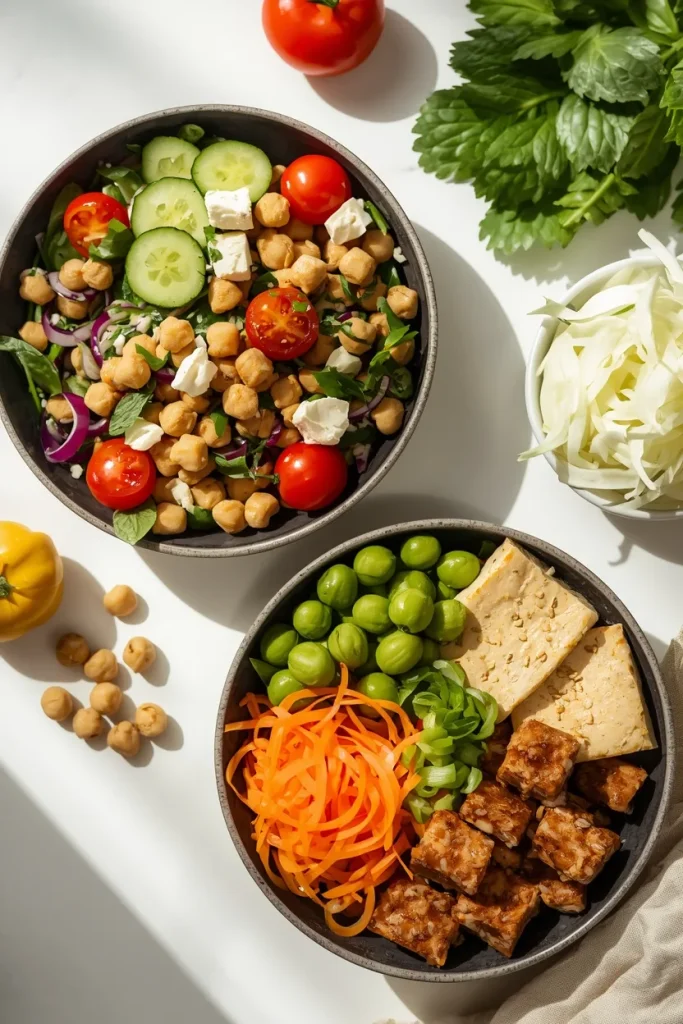
Stock Once, Assemble Fast: The Core Ingredients
These recipes reuse a small set of foods, which keeps shopping simple and food waste low. Here’s the core kit, with the exact sizes the recipes assume:
- Canned light tuna in water: 5 oz (142 g) can
- Canned pink salmon: 5 oz (142 g) can, boneless and skinless if you prefer
- Sliced turkey breast: about 4 oz (115 g) per serving, lower-sodium if possible
- Plain nonfat Greek yogurt: 1 cup (about 245 g) per serving
- Low-fat cottage cheese: 1 cup (about 225 g) per serving
- Canned chickpeas: 15 oz (425 g) can, drained and rinsed
- Hummus: 3 tablespoons per serving
- Firm tofu or ready-to-eat baked tofu: 4 oz (115 g) per serving
- Frozen shelled edamame: 1 cup (about 155 g) per serving
- Whole-grain wraps and crackers
- Produce: cucumbers, cherry tomatoes, bell peppers, carrots, leafy greens, lemons, avocados, berries, apples
1. Classic Tuna Salad Bowl
A reliable lunch with minimal effort, and one of the best protein-per-minute options on the list.
Makes: 1 serving | Prep time: 5 minutes | Approx.: 28 g protein, 320 calories (with crackers)
Ingredients
- 1 can (5 oz / 142 g) light tuna in water, drained well
- 2 tablespoons plain nonfat Greek yogurt
- 1 celery stalk, finely chopped (about ¼ cup)
- ½ cup diced cucumber
- ½ cup halved cherry tomatoes
- 2 cups mixed salad greens
- 1 teaspoon lemon juice
- 1 teaspoon olive oil
- Black pepper, to taste
- 6 whole-grain crackers on the side
Method
- Mix the tuna, Greek yogurt, celery, lemon juice, and black pepper in a small bowl until combined.
- Toss the greens with the olive oil and arrange them in a lunch container or bowl.
- Top with the tuna salad, cucumber, and tomatoes. Serve with crackers.
Variations: Swap the crackers for ½ cup rinsed chickpeas, add ¼ avocado, or stuff the mixture into a whole-grain wrap.
Tuna tip: The FDA’s advice about eating fish generally lists canned light tuna among its lower-mercury choices and places albacore (white) tuna in a category to eat less often. If tuna is a regular part of your week, check that guidance and vary your fish.
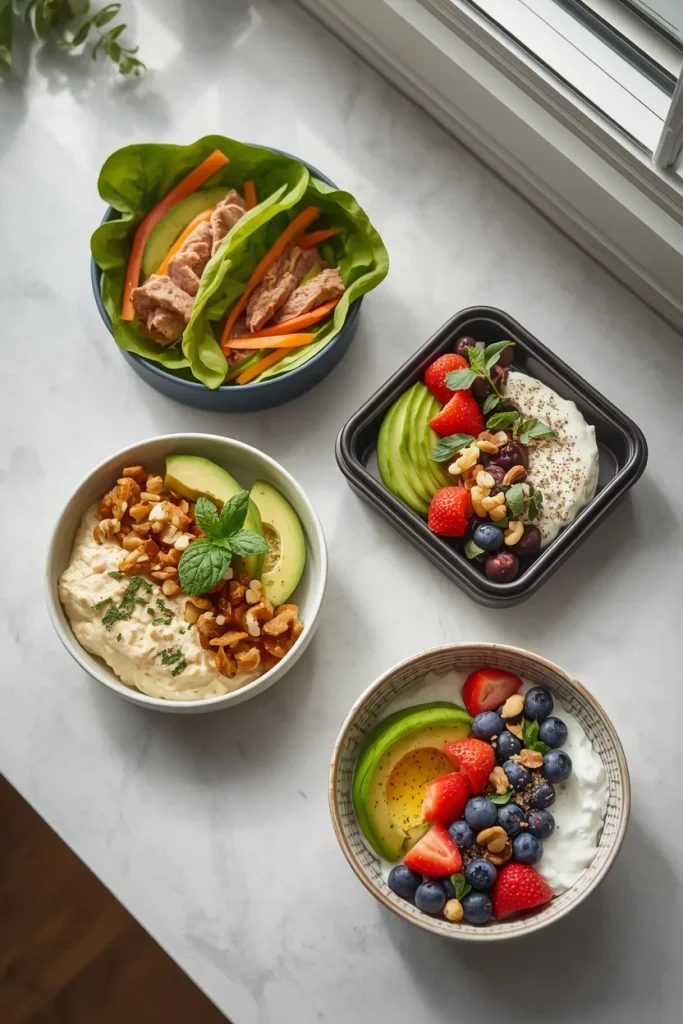
2. Turkey Lettuce Wraps
A light, crisp lunch for days when you don’t want anything heavy.
Makes: 1 serving | Prep time: 5 minutes | Approx.: 22 g protein, 230 calories (about 320 with an apple)
Ingredients
- 4 oz (115 g) sliced turkey breast, about 4–5 slices
- 4 large romaine or butter lettuce leaves
- ½ cucumber, cut into thin strips
- ½ carrot, cut into thin strips
- ¼ red bell pepper, sliced
- ¼ avocado, sliced
- 2 teaspoons mustard
- 1 medium apple on the side, optional
Method
- Lay the lettuce leaves flat and spread a little mustard on each.
- Divide the turkey among the leaves, then top with cucumber, carrot, pepper, and avocado.
- Roll tightly and eat immediately, or wrap in parchment for later.
Make it heartier: Add a small whole-grain roll or 8–10 whole-grain crackers.
Sodium note: Deli turkey can be high in sodium. The FDA’s guide to the Nutrition Facts label explains that 5% Daily Value or less per serving is considered low and 20% or more is considered high, which helps when you’re comparing brands.
3. Greek Yogurt Lunch Bowl (Sweet or Savory)
Greek yogurt isn’t just for breakfast. A full cup makes a protein-rich base for lunch.
Makes: 1 serving | Prep time: 3 minutes | Approx.: 28 g protein, 300 calories
Sweet version
- 1 cup (245 g) plain nonfat Greek yogurt
- ½ cup blueberries or sliced strawberries
- 1 tablespoon chia seeds
- 1 tablespoon chopped walnuts or almonds
- ¼ teaspoon cinnamon
Spoon the yogurt into a bowl, top with fruit, seeds, nuts, and cinnamon. Stir the chia seeds in and let the bowl sit 2–3 minutes if you want a thicker texture.
Savory version
- 1 cup (245 g) plain nonfat Greek yogurt
- ½ cup diced cucumber
- ½ cup halved cherry tomatoes
- 1 tablespoon chopped fresh dill, mint, or parsley
- 2 tablespoons pumpkin seeds
- 1 teaspoon olive oil
- Black pepper and a small pinch of salt
Season the yogurt with pepper and salt, top with cucumber, tomatoes, herbs, and seeds, and drizzle with the olive oil. Serve with 1 slice of whole-grain toast or 6 crackers for extra carbohydrates.
Label tip: Choose plain yogurt without added sugar where possible. Flavored cups can have far more sugar than the fruit-topped version above.
4. Cottage Cheese and Vegetable Bowl
Cottage cheese is high in protein, quick to portion, and works with sweet or savory toppings.
Makes: 1 serving | Prep time: 3 minutes | Approx.: 27 g protein, 270 calories (about 340 with crackers)
Ingredients
- 1 cup (about 225 g) low-fat cottage cheese
- ½ cup diced cucumber
- ½ cup halved cherry tomatoes
- ¼ cup diced bell pepper
- 2 radishes, sliced, optional
- ¼ avocado, diced
- 1 tablespoon chopped fresh herbs
- Black pepper
- 4–6 whole-grain crackers, optional
Method
- Spoon the cottage cheese into a bowl.
- Arrange the vegetables and avocado over the top.
- Finish with herbs and pepper. Serve with crackers if you want a more filling meal.
Sweet alternative
Use 1 cup cottage cheese, ½ cup berries or 1 small sliced peach, 1 tablespoon pumpkin seeds, and a pinch of cinnamon. This gives about 28 g protein and 270 calories.
Label tip: Protein and sodium vary between cottage cheese brands, so compare labels. If you’re watching sodium, look for a lower-sodium product.
5. Chickpea and Hemp Seed Salad
A filling plant-based lunch that uses a pantry staple.
Makes: 2 servings (one can) | Prep time: 7 minutes | Approx. per serving: 20 g protein, 430 calories
Ingredients (for 2 servings)
- 1 can (15 oz / 425 g) chickpeas, drained and rinsed, so about 1½ cups, which is ¾ cup per serving
- 1 cucumber, diced
- 1 cup halved cherry tomatoes
- 1 red bell pepper, diced
- ¼ small red onion, finely chopped, optional
- ¼ cup crumbled feta, about 2 tablespoons per serving
- 4 tablespoons hemp seeds, about 2 tablespoons per serving
- 2 tablespoons chopped parsley or cilantro
- Juice of 1 lemon
- 4 teaspoons olive oil, about 2 teaspoons per serving
- Black pepper
Method
- Combine the chickpeas, vegetables, feta, and herbs in a large bowl.
- Whisk the lemon juice, olive oil, and pepper, then pour over the salad and toss.
- Stir in the hemp seeds. Divide into two containers.
This salad keeps well in the refrigerator for a day or two, which makes it useful for planning. For storage times, see our guide on how long meal prep lasts in the fridge.
Need more protein? Chickpeas supply protein and fiber, but they don’t have to carry the whole meal. Add ½ cup (4 oz) cubed tofu or a drained can of tuna to boost it by roughly 10–25 grams.
6. Hummus, Vegetable and Turkey Wrap
When you want lunch to feel like a real sandwich.
Makes: 1 serving | Prep time: 5 minutes | Approx.: 29 g protein, 400 calories
Ingredients
- 1 large whole-grain wrap (about 9–10 inches)
- 3 tablespoons hummus
- 4 oz (115 g) sliced turkey breast
- ¼ cucumber, sliced into strips
- ¼ bell pepper, sliced
- 1 handful of spinach, about ½ cup packed
- 2–3 tomato slices
- ¼ avocado, sliced, optional
Method
- Lay the wrap flat and spread the hummus evenly, leaving a 1-inch border.
- Layer the turkey, spinach, vegetables, and avocado down the center.
- Fold in the sides, roll tightly, and slice in half.
Vegetarian swap: Replace the turkey with ½ cup rinsed, lightly mashed chickpeas and 2 tablespoons crumbled feta. This gives roughly 18–20 g protein. For more, add 4 oz sliced baked tofu.
Packing tip: If the wrap will sit for a few hours, keep the tomato slices separate and add them at lunch so the wrap doesn’t get soggy.
7. Salmon and Avocado Cucumber Rounds
Canned salmon is a convenient protein source that also works well without a stove.
Makes: 1 serving | Prep time: 7 minutes | Approx.: 27 g protein, 330 calories
Ingredients
- 1 can (5 oz / 142 g) pink salmon, drained and flaked
- ½ small avocado, mashed
- 1 tablespoon plain Greek yogurt
- 1 teaspoon lemon juice
- 1 tablespoon chopped fresh dill or parsley
- 1 large cucumber, cut into ½-inch rounds
- 1 cup mixed greens
- Black pepper
Method
- Mash the avocado with the Greek yogurt and lemon juice in a bowl.
- Fold in the salmon, herbs, and pepper.
- Spoon the mixture onto the cucumber rounds and serve over the mixed greens.
Add carbohydrates: Serve with 6 whole-grain crackers or a slice of whole-grain toast if you want a more substantial lunch.
8. Edamame and Tofu Sesame Bowl
A plant-based option with plenty of protein.
Makes: 1 serving | Prep time: 8 minutes | Approx.: 31 g protein, 390 calories
Ingredients
- 1 cup (about 155 g) frozen shelled edamame, thawed
- 4 oz (115 g) firm or baked tofu, cubed
- 1 cup shredded cabbage or coleslaw mix
- ½ carrot, grated
- 1 tablespoon low-sodium soy sauce
- 1 tablespoon rice vinegar
- 1 teaspoon sesame oil
- 1 teaspoon sesame seeds
- Chopped green onion, optional
Method
- Thaw the edamame by running it under cool water for a few minutes, or leaving it in a bowl of cool water, then drain well.
- Whisk the soy sauce, rice vinegar, and sesame oil in a small bowl.
- Combine the edamame, tofu, cabbage, and carrot in a bowl. Add the dressing, toss, and top with sesame seeds and green onion.
Note: Check the tofu package, since protein varies by type and brand. Baked tofu is usually firmer and more flavorful, and it needs no extra seasoning.
The Protein Boost Cheat Sheet
Sometimes a recipe is close but not quite enough. Add one of these swaps to any lunch above:
| Add this | Amount | Extra protein (approx.) | Extra calories (approx.) |
|---|---|---|---|
| Canned tuna | ½ can (2.5 oz) | 12 g | 60 |
| Plain Greek yogurt | ½ cup | 12 g | 65 |
| Cottage cheese | ½ cup | 12 g | 90 |
| Firm tofu | 4 oz (115 g) | 10 g | 90 |
| Shelled edamame | ½ cup | 9 g | 95 |
| Hemp seeds | 2 tablespoons | 6 g | 110 |
| Sliced turkey | 2 oz (55 g) | 10 g | 60 |
| Canned chickpeas | ½ cup | 7 g | 130 |
| Almonds | 1 oz (about 23 nuts) | 6 g | 165 |
| Hummus | 2 tablespoons | 3 g | 70 |
Values are rounded estimates. Check your own labels for accuracy.
Build Your Own: A Portion Formula
Once you’re comfortable with these, you can invent your own lunches. Use this simple structure:
- Protein (about 4–5 oz or 1 cup): tuna, salmon, turkey, Greek yogurt, cottage cheese, tofu, or edamame
- Vegetables or fruit (about 1–2 cups): cucumber, tomatoes, peppers, leafy greens, carrots, berries, or apple
- Fiber-rich carbohydrate (about ½ cup or 1 serving): whole-grain wrap, crackers, bread, or beans
- Healthy fat (about 1 tablespoon or ¼ avocado): olive oil, nuts, seeds, or avocado
You don’t need all four every time. Adjust the portions to your hunger, activity level, and overall eating pattern. The MyPlate protein foods guide is a useful reference for the full range of protein options, including seafood, beans, peas, soy products, nuts, and seeds.
A Sample Week of No-Cook Lunches
If you like to plan ahead, here’s a simple five-day layout:
| Day | Lunch | Approx. protein |
|---|---|---|
| Monday | Tuna salad bowl with crackers | 28 g |
| Tuesday | Hummus, vegetable and turkey wrap | 29 g |
| Wednesday | Chickpea and hemp seed salad | 20 g |
| Thursday | Cottage cheese and vegetable bowl | 27 g |
| Friday | Salmon and avocado cucumber rounds | 27 g |
Chop vegetables and portion toppings on Sunday, and you can assemble any of these in a few minutes. Our Meal Prep for Beginners: The Complete Guide walks through portioning, storage, and weekly planning in more detail. For earlier in the day, our 30g protein breakfast ideas pair well with these lunches, and you’ll find more options in our Nutrition & Healthy Eating category.
How to Pack a No-Cook Lunch Safely
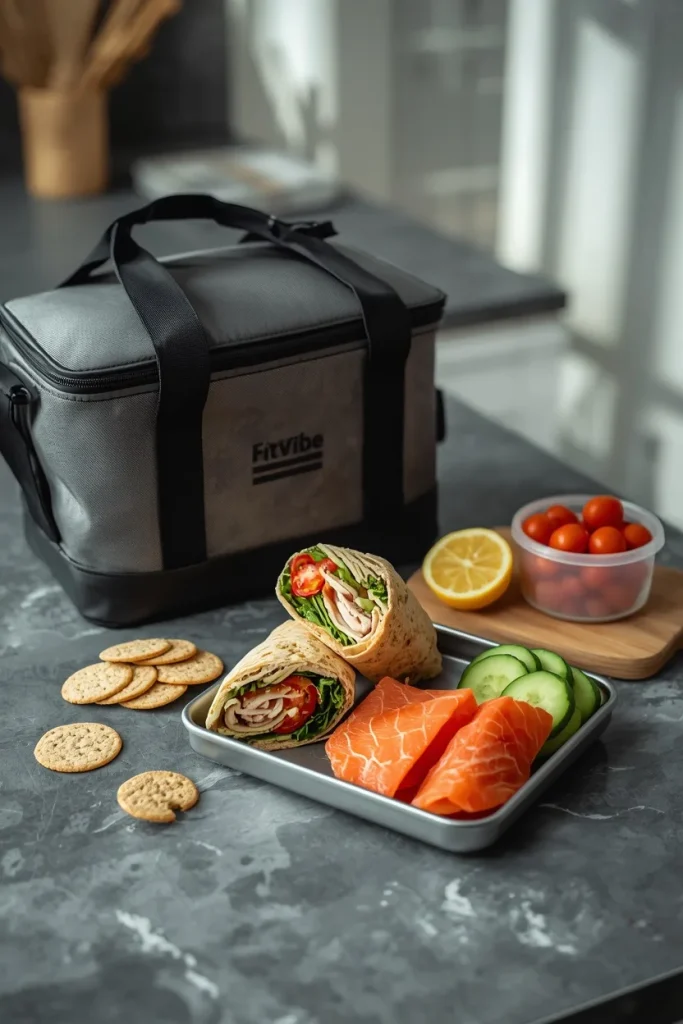
No-cook doesn’t mean shelf-stable. Tuna salad, turkey, yogurt, cottage cheese, hummus, tofu, and cut vegetables all need to stay cold.
The USDA Food Safety and Inspection Service’s guidance on keeping bag lunches safe recommends keeping perishable foods cold during transport and storage. Perishable foods should not sit at room temperature for more than 2 hours, or 1 hour when the temperature is above 90°F (32°C). Here’s a practical checklist:
- Pack lunch in an insulated bag with a frozen gel pack or two.
- Keep cold foods at or below 40°F (4°C).
- Once opened, refrigerate canned tuna or salmon promptly.
- Wash your hands and clean surfaces before preparing food.
- Keep wraps and bowls in separate containers from ice packs if you don’t want soggy ingredients.
- Don’t leave perishable lunches in a hot car or warm bag for hours.
- If lunch has been out of the fridge too long, throw it away rather than risking it.
For more on refrigerated storage times, see the USDA’s cold food storage chart.
Are No-Cook High-Protein Lunches Good for Weight Loss?
They can fit into a weight-management eating pattern, because protein-rich foods tend to be filling and these recipes include vegetables, fiber, and measured portions. But no single lunch causes weight loss. Your overall food intake, portion sizes, activity, sleep, and individual needs all play a role.
The easiest way to use these recipes is to pick the ones you’ll actually enjoy and repeat them. A lunch that keeps you satisfied is more useful than a very restrictive one that leaves you hungry an hour later. Our guide to losing weight without extreme dieting covers this more fully, and if your routine has slipped, how to get back on track with healthy eating offers a gentle restart.
Simple Grocery List for the Week
This list covers roughly five lunches from the recipes above, plus a little extra:
Protein
- 2 cans (5 oz each) light tuna
- 1 can (5 oz) pink salmon
- 8–12 oz sliced turkey breast
- 1 large tub plain nonfat Greek yogurt (32 oz)
- 1 tub low-fat cottage cheese (16 oz)
- 1 can (15 oz) chickpeas
- 1 package firm or baked tofu (14 oz)
- 1 bag frozen shelled edamame
Produce
- 3 cucumbers, 1 pint cherry tomatoes, 2 bell peppers, 2 carrots
- 1 bag mixed greens or romaine, 1 small bag spinach
- 2 avocados, 2 lemons
- Berries or apples, and fresh herbs (dill, parsley)
Pantry
- Whole-grain wraps and crackers
- Hummus, hemp seeds, chia seeds, pumpkin seeds
- Olive oil, mustard, low-sodium soy sauce, sesame oil, rice vinegar
Frequently Asked Questions
How long do no-cook lunches take to prepare?
Most take 3–8 minutes once your ingredients are stocked. Prep like chopping vegetables on Sunday makes weekday lunches even faster.
Can I make these ahead?
The chickpea salad holds up well for a day or two. Yogurt and cottage cheese bowls are best assembled the same day, and wraps are best made in the morning. Store everything cold.
What if I don’t eat fish or meat?
Recipes 3, 4, 5, and 8 work without either. For the wrap, use the vegetarian swap.
Are canned foods okay?
Canned tuna, salmon, and chickpeas are convenient, but they can contain added sodium. Look for lower-sodium versions and rinse beans before use.
Quick Takeaway
A no-cook lunch can be quick without being boring or vague. With a few staples and measured portions, you can put together a lunch containing roughly 20–30 grams of protein in under 10 minutes: tuna salad, turkey wraps, yogurt and cottage cheese bowls, chickpea salad, hummus wraps, salmon rounds, or an edamame and tofu bowl.
Start with one or two recipes, learn the portions, and then mix and match using the cheat sheet. Keep perishable ingredients cold, pack them with ice, and choose the combinations that fit your appetite, schedule, and overall eating pattern.