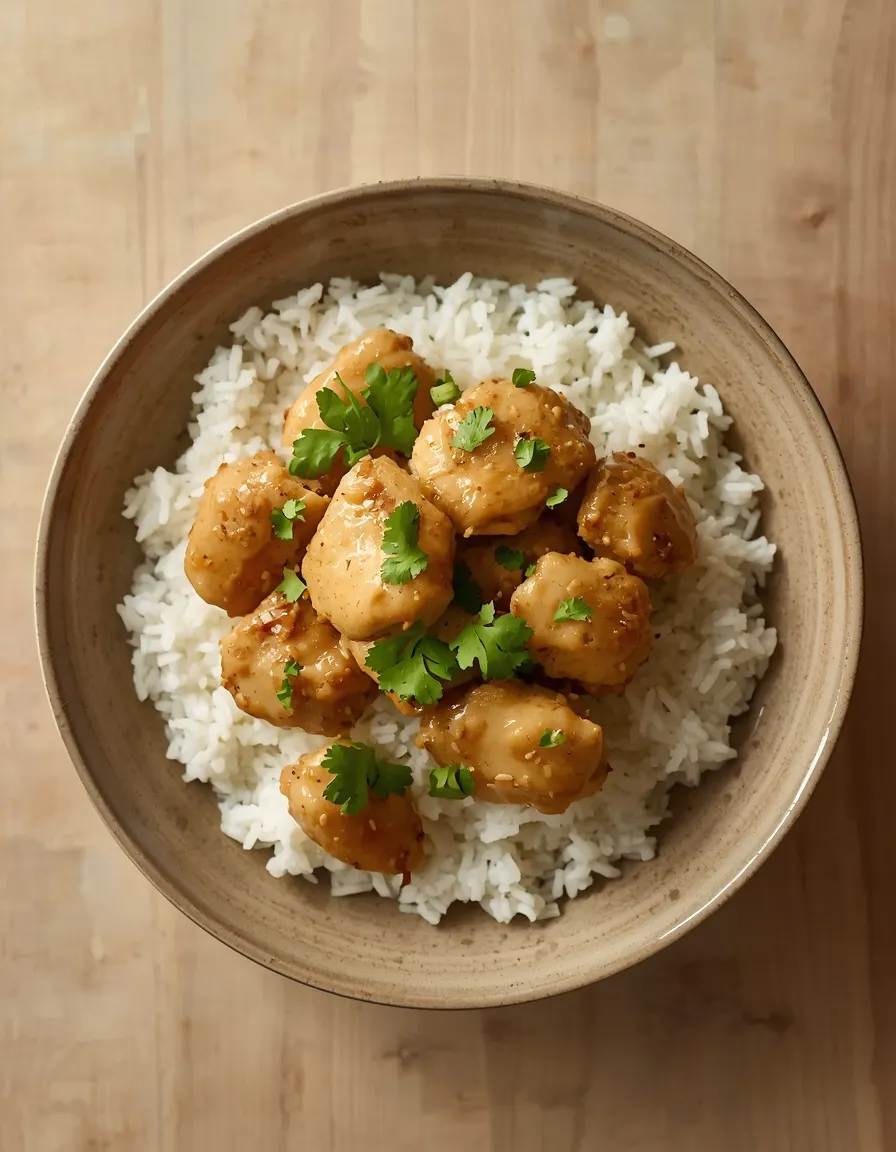
This coconut chicken rice recipe turns a handful of pantry staples into a creamy, savory one-pan dinner with minimal cleanup. Tender chicken and fluffy rice simmer together in coconut milk and aromatics, so the rice cooks in the same pan and picks up all the flavor from the chicken as it goes.
Quick takeaway: Sear seasoned chicken, sauté onion, garlic, and ginger in the same pan, then simmer rice in a mix of coconut milk and broth until the liquid is absorbed and the chicken is cooked through. One pan, about 45 minutes start to finish.
If you’re looking for simple meals that fit into a busy schedule, this one-pan chicken and rice recipe is an easy option to add to your rotation. For more practical strategies, see our guide to a healthy routine for busy people.
Why This Recipe Works
Cooking the rice directly in the coconut milk and pan drippings means it absorbs flavor the whole time it cooks, rather than being seasoned after the fact. The coconut milk also adds a natural richness without needing a heavy sauce or a long ingredient list.
Using bone-in or boneless chicken thighs helps keep the dish moist, since thighs are more forgiving than chicken breast if the rice needs a few extra minutes to finish cooking. And because everything happens in one deep skillet or pot, there’s only one pan to wash at the end.
Recipe Overview
| Category | Details |
|---|---|
| Prep Time | 15 minutes |
| Cook Time | 30–35 minutes |
| Total Time | About 45–50 minutes |
| Servings | 4 |
| Difficulty | Beginner-friendly |
| Equipment | Deep skillet or wide pot with a tight-fitting lid, cutting board, chef’s knife, measuring cups |
Ingredients
| Ingredient | Amount | Notes |
|---|---|---|
| Boneless, skinless chicken thighs | 1.5 lbs (about 680g) | Cut into bite-sized pieces |
| Salt | 3/4 tsp, divided | Adjust to taste |
| Black pepper | 1/2 tsp | Freshly ground preferred |
| Cooking oil (neutral, like avocado or vegetable) | 2 tbsp | For searing and sautéing |
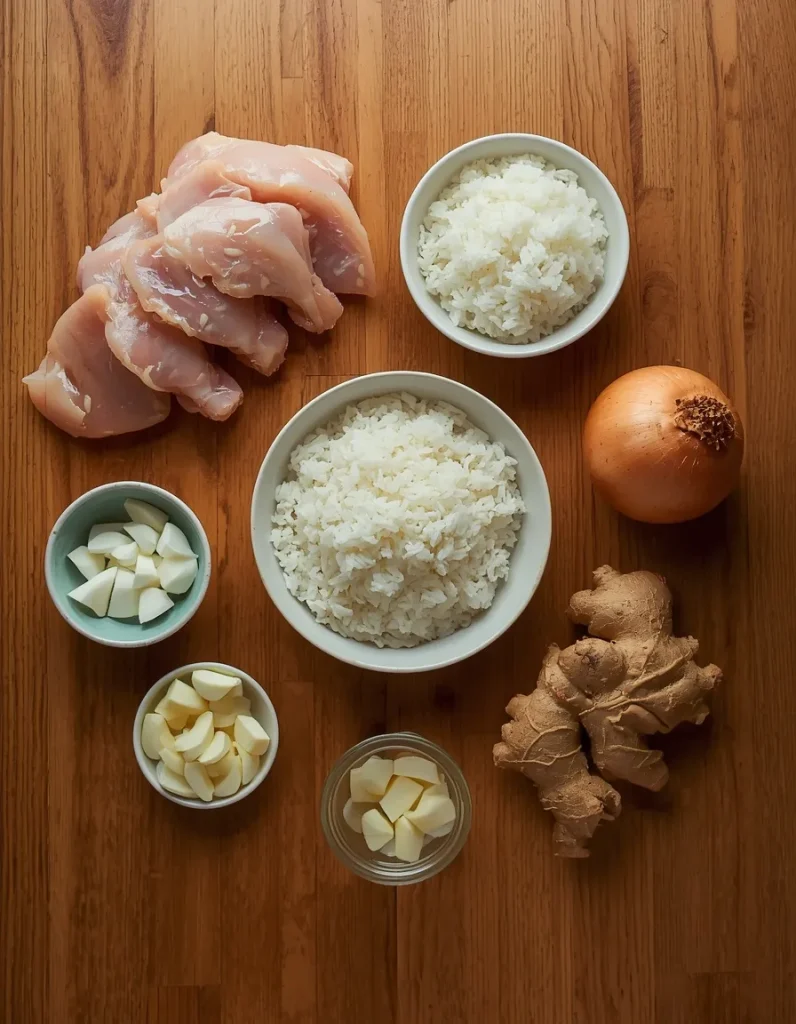
| Yellow onion | 1 medium, diced | About 1 cup |
| Garlic | 3 cloves, minced | |
| Fresh ginger | 1 tbsp, minced | Or 1/2 tsp ground ginger |
| Long-grain white rice (e.g., jasmine) | 1.5 cups (about 300g) | Rinsed until water runs mostly clear |
| Full-fat coconut milk (canned) | 1 can (13.5 oz / 400ml) | Shake or stir before using |
| Chicken broth or water | 1 cup (240ml) | Low-sodium broth recommended |
| Lime juice | 1 tbsp | Fresh preferred |
| Fresh cilantro, chopped | 2 tbsp | For garnish; optional |
Optional Add-Ins
- 1/2 cup frozen peas or diced carrots, stirred in during the last 5 minutes of cooking
- 1/4 tsp red pepper flakes for mild heat
- 1 tsp curry powder for a different flavor direction
How to Make It
- Season the chicken. Pat the chicken pieces dry and season with 1/2 teaspoon of salt and the black pepper.
- Sear the chicken. Heat 1 tablespoon of oil in a deep skillet over medium-high heat. Add the chicken in a single layer and cook for 3–4 minutes per side, until golden brown on the outside. The chicken does not need to be fully cooked through at this stage. Transfer to a plate.
- Sauté the aromatics. Add the remaining tablespoon of oil to the same pan. Add the onion and cook for 2–3 minutes, stirring occasionally, until softened and slightly translucent. Add the garlic and ginger and cook for another 30 seconds, until fragrant.
- Add the rice. Stir in the rinsed rice and toast it in the pan drippings for about 1 minute, stirring so it doesn’t stick.
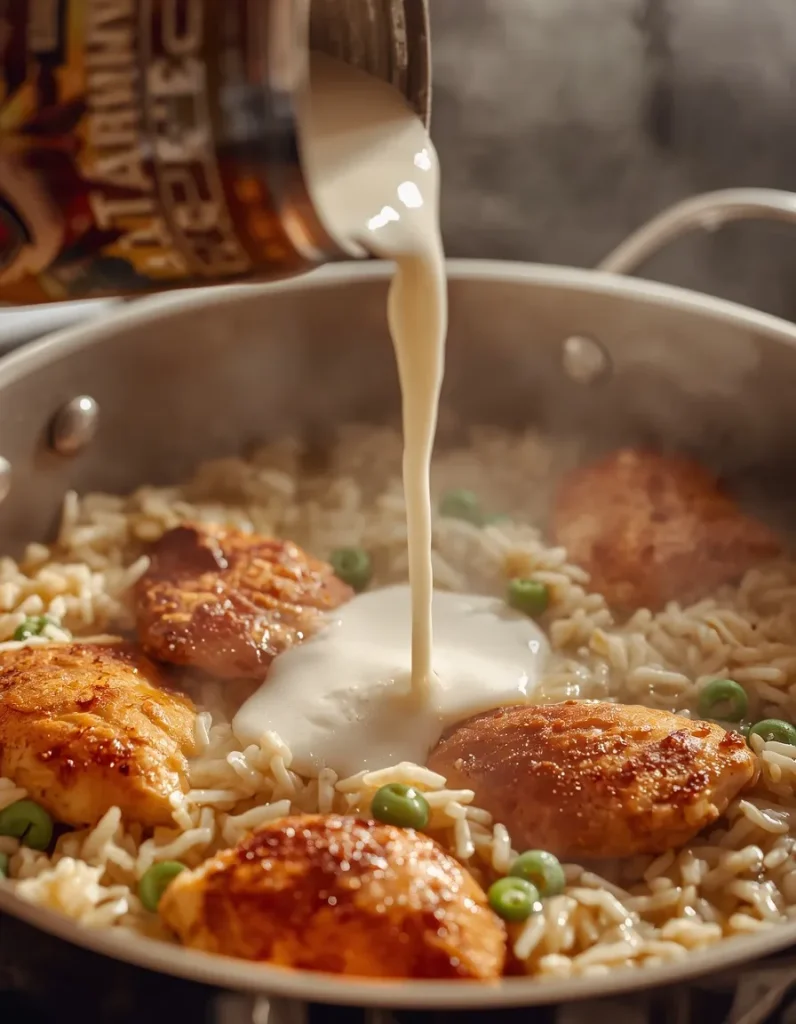
- Add the liquid. Pour in the coconut milk and chicken broth, then add the remaining 1/4 teaspoon of salt. Stir well and scrape up any browned bits from the bottom of the pan.
- Return the chicken. Nestle the seared chicken (and any accumulated juices) back into the pan, submerging the pieces slightly in the liquid.
- Simmer, covered. Bring the mixture to a gentle simmer, then reduce the heat to low, cover with a tight-fitting lid, and cook for 18–20 minutes, until the rice has absorbed most of the liquid and the chicken reaches an internal temperature of 165°F (74°C) when checked with a food thermometer.
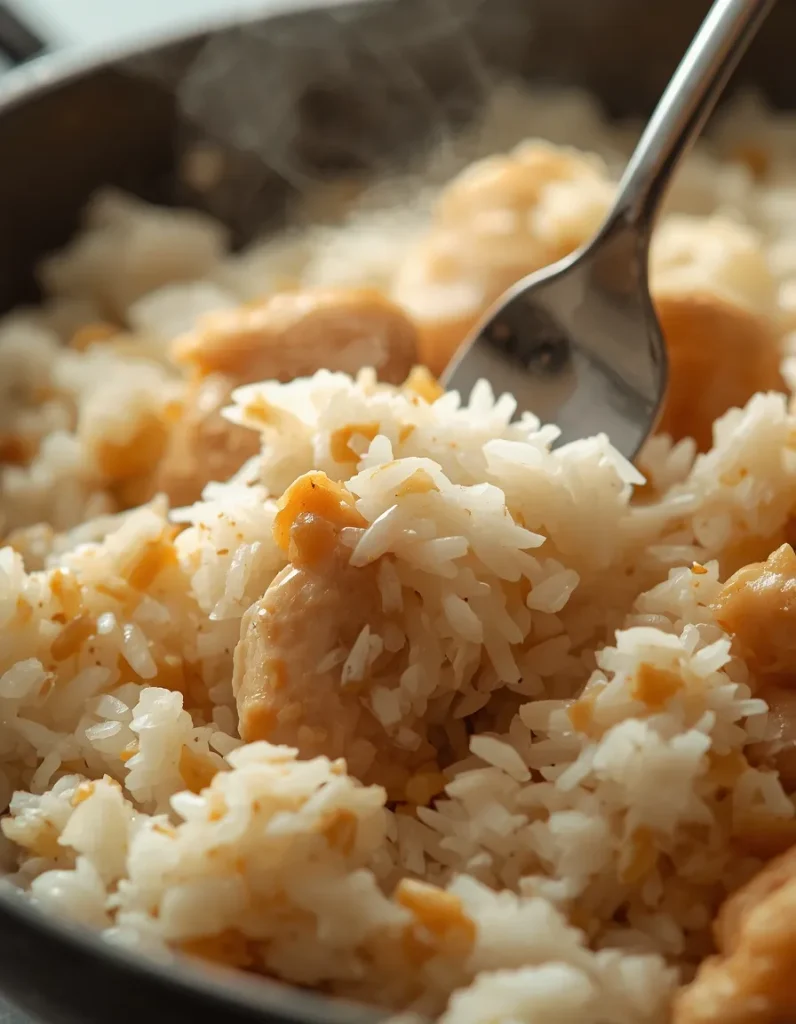
- Rest, then fluff. Remove the pan from heat and let it sit, covered, for 5 minutes. Fluff the rice gently with a fork, stir in the lime juice, and taste for seasoning.
- Garnish and serve. Top with chopped cilantro and serve warm.
Tips for the Best Results
- Shake or stir the canned coconut milk well before measuring — it separates in the can, and you want the fat and liquid combined for an even texture.
- Resist lifting the lid while the rice simmers. Escaping steam slows down the cooking and can leave the rice undercooked.
- If the rice looks dry before it’s fully tender, add 2–3 tablespoons of extra broth or water and continue covered cooking for a few more minutes.
- Use a food thermometer to confirm the chicken has reached a safe internal temperature, since color alone isn’t a reliable indicator of doneness.
Ingredient Substitutions
| Original | Substitute | What Changes |
|---|---|---|
| Chicken thighs | Boneless chicken breast | Leaner and slightly lower in fat, but more prone to drying out if overcooked; check for doneness a few minutes earlier |
| Full-fat coconut milk | Light coconut milk | Lower in fat and calories, but the dish will taste noticeably less rich and creamy |
| White rice | Brown rice | Higher in fiber, but requires more liquid and a longer cook time (typically 35–40 minutes covered); rice-to-liquid ratio will need adjusting |
| Fresh ginger | Ground ginger | Milder, less bright flavor, but a reasonable substitute in a pinch |
| Chicken broth | Vegetable broth | Slightly different flavor profile; works fine if that’s what’s on hand |
Meal Prep and Storage
Refrigerator: Store leftovers in an airtight container for up to 3–4 days, following general USDA guidance for cooked chicken and rice dishes.
Freezer: This dish can be frozen for up to 2 months, though the texture of the rice may soften slightly after thawing due to the coconut milk content.
Reheating: Reheat in a covered skillet over medium-low heat with a splash of water or broth to loosen the rice, or microwave in 60-second intervals, stirring between each, until heated through to 165°F (74°C).
Best quality: For the best texture, eat within 3 days if refrigerated. The dish is safe within the ranges above, but the rice may become drier over time.
As with any dish containing cooked rice, avoid leaving leftovers at room temperature for more than about 2 hours, since cooked rice can support bacterial growth if held at unsafe temperatures for extended periods.
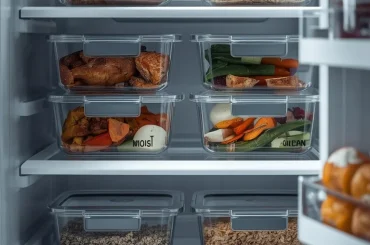
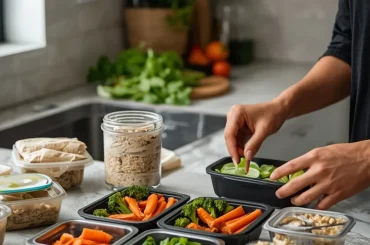
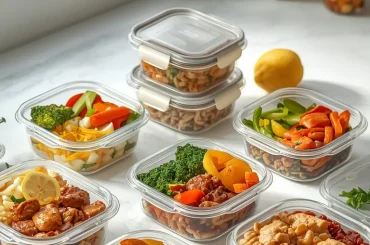
This recipe can also work well for planned leftovers when stored safely and refrigerated promptly. If you’re building a more organized approach to preparing meals at home, see our guide to meal prep for beginners.
Nutrition Information (Estimated)
| Nutrition | Per Serving (approx. 1/4 of recipe) |
|---|---|
| Calories | ~480–520 kcal |
| Protein | ~28–32g |
| Carbohydrates | ~40–45g |
| Fat | ~20–24g |
| Fiber | ~2g |
These values are rough estimates based on typical ingredient brands and standard serving sizes. Actual nutrition will vary depending on the specific chicken cut, coconut milk brand, and portion size used.
Variations
- Vegetable-forward: Stir in peas, diced carrots, or chopped bell pepper during the last 5 minutes of cooking for added color and fiber.
- Spicier: Add red pepper flakes or a spoonful of chili garlic sauce with the aromatics.
- Higher protein: Increase the chicken to 2 lbs, or stir in a drained can of chickpeas alongside the chicken for extra protein and fiber.
- Lower sodium: Use low-sodium broth and reduce the added salt, adjusting to taste at the end.
Common Mistakes
| Common Mistake | Why It Happens | Better Approach |
|---|---|---|
| Rice turns out mushy or gluey | Too much liquid, or the rice wasn’t rinsed before cooking | Rinse rice until the water runs mostly clear, and stick to the measured liquid amounts |
| Chicken is dry | Overcooked during the initial sear, or simmered too long | Sear just until browned, not fully cooked, and check internal temperature toward the end of simmering rather than well past it |
| Rice is undercooked at the bottom but wet on top | Lid was removed too early, releasing steam needed to finish cooking | Keep the lid on for the full simmer time and resist checking too often |
| Dish tastes flat | Salt wasn’t adjusted at the end, or lime juice was skipped | Taste before serving and add a bit more salt or lime juice as needed |
Serving Suggestions
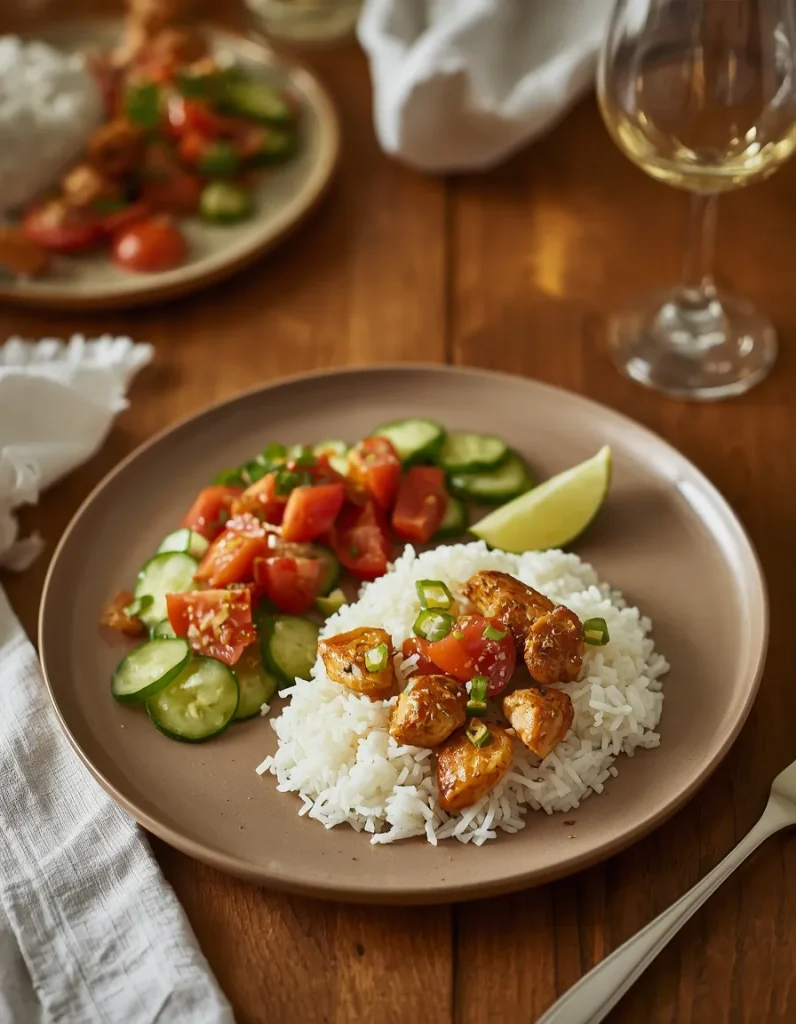
- A simple cucumber and tomato salad with a light vinaigrette
- Steamed or roasted broccoli or green beans on the side
- A wedge of lime for squeezing over individual portions
- A light drizzle of chili garlic sauce for those who want extra heat
Using Up Leftovers
- Bowl: Reheat and top with a fried egg and extra herbs.
- Wrap: Roll leftovers into a tortilla with shredded cabbage for a quick lunch.
- Soup: Thin leftovers with extra broth and warm gently for a quick coconut chicken rice soup.
Frequently Asked Questions
Can I make this ahead?
Yes. It reheats well for a few days and can be portioned into containers right after cooling for easy weekday lunches or dinners.
Can I freeze it?
Yes, for up to about 2 months. The rice texture will soften slightly after thawing due to the coconut milk, but the flavor holds up well.
What can I substitute for coconut milk?
Light coconut milk works but will taste less rich. A dairy milk substitute is not recommended, since it won’t replicate the same flavor or fat content that makes this dish work.
How can I increase the protein?
Use a larger amount of chicken, or stir in a drained can of chickpeas or white beans along with the chicken.
Can I make this vegetarian?
Yes, by swapping the chicken for extra-firm tofu (pressed and cubed) or a mix of chickpeas and vegetables, and using vegetable broth in place of chicken broth. Cooking times for tofu will be shorter than for chicken.
How do I keep the chicken from drying out?
Sear it just until browned rather than fully cooked, then let it finish cooking during the simmer. Checking the internal temperature with a food thermometer helps avoid overcooking.
How long does this take to prepare?
About 15 minutes of prep and 30–35 minutes of cooking, for a total of roughly 45–50 minutes.
Final Thoughts
This coconut chicken rice recipe is a practical option for a weeknight when you want something warm and satisfying without a long ingredient list or a sink full of dishes. Once you’ve made it once, it’s easy to adjust with whatever vegetables or spices you have on hand.
Recipe Card
Recipe Name: Coconut Chicken Rice
Prep Time: 15 minutes
Cook Time: 30–35 minutes
Total Time: 45–50 minutes
Servings: 4
Ingredients:
- 1.5 lbs (680g) boneless, skinless chicken thighs, cut into bite-sized pieces
- 3/4 tsp salt, divided
- 1/2 tsp black pepper
- 2 tbsp cooking oil
- 1 medium yellow onion, diced
- 3 cloves garlic, minced
- 1 tbsp fresh ginger, minced
- 1.5 cups (300g) long-grain white rice, rinsed
- 1 can (13.5 oz/400ml) full-fat coconut milk
- 1 cup (240ml) chicken broth
- 1 tbsp lime juice
- 2 tbsp chopped fresh cilantro, for garnish
Instructions:
- Season chicken with 1/2 tsp salt and black pepper.
- Sear chicken in 1 tbsp oil, 3–4 minutes per side, until golden. Remove.
- Sauté onion in remaining oil, 2–3 minutes. Add garlic and ginger, 30 seconds.
- Stir in rice, toast 1 minute.
- Add coconut milk, broth, and remaining 1/4 tsp salt. Stir and scrape pan.
- Return chicken to the pan.
- Cover, simmer on low 18–20 minutes, until rice absorbs liquid and chicken reaches 165°F (74°C).
- Rest covered 5 minutes, fluff, stir in lime juice.
- Garnish with cilantro and serve.
Storage: Refrigerate up to 3–4 days; freeze up to 2 months; reheat to 165°F (74°C).
Nutrition Estimate (per serving): ~480–520 calories, ~28–32g protein, ~40–45g carbohydrates, ~20–24g fat, ~2g fiber. Estimates only; actual values vary by brand and portion.
Sources & Further Reading
- USDA Food Safety and Inspection Service (FSIS): USDA FSIS — Safe Minimum Internal Temperature Chart
- USDA Food Safety and Inspection Service (FSIS): USDA FSIS — Leftovers and Food Safety
- USDA Food Safety and Inspection Service (FSIS): USDA FSIS — Freezing and Food Safety
- USDA Food Safety and Inspection Service (FSIS): USDA FSIS — Refrigeration & Food Safety