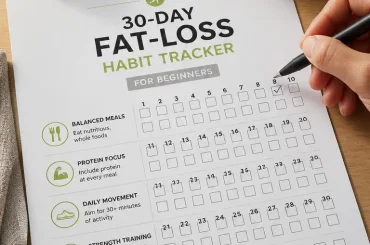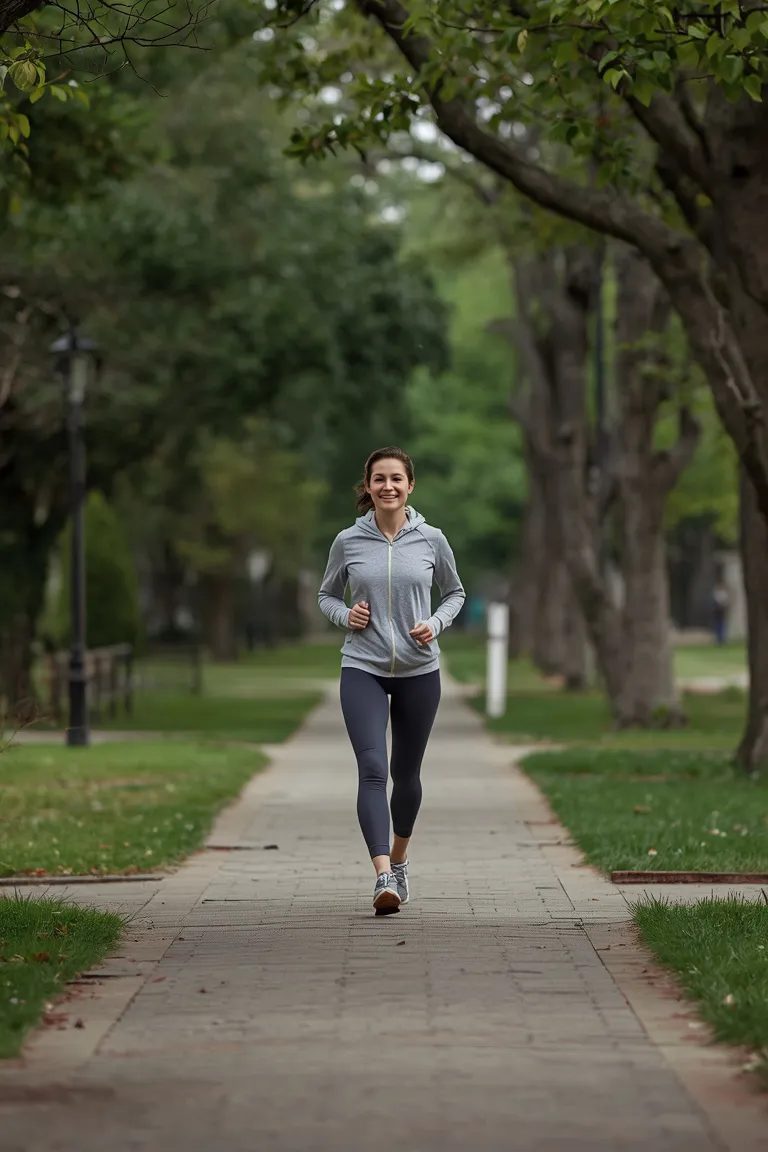
You don’t have to schedule a formal workout every time you want to become more active.
How to burn energy easily? Walking to the store, taking the stairs, doing household chores, standing up during a workday, gardening, and moving around while doing everyday tasks all contribute to your daily energy expenditure. These activities are often grouped under non-exercise activity thermogenesis (NEAT), which broadly refers to energy used for activities other than planned exercise, eating, and sleeping.
For busy adults, increasing this everyday movement can be a practical way to become more active without adding another gym session to the calendar.
There is one important distinction, though: burning more energy does not automatically mean losing weight. Body weight is influenced by the balance between energy intake and energy expenditure over time, along with factors such as sleep, medications, health conditions, genetics, and environment.
The goal, therefore, isn’t to spend every waking hour trying to burn calories. It is to make movement a normal part of your day.
You don’t need to turn every movement opportunity into a formal workout. Walking more, taking the stairs, doing household tasks, and breaking up long periods of sitting can all help you become more active throughout the day. If you’re also starting a structured exercise routine, see our guide on how often beginners should work out at home.
Quick Answer: How Can You Burn More Energy Without Working Out?
The simplest strategy is to move more throughout the day and spend less time sitting continuously.
Try:
- Walking for short trips instead of driving when practical
- Taking stairs when comfortable and appropriate
- Standing up regularly during long periods of desk work
- Walking while making phone calls
- Doing household chores yourself
- Gardening or doing outdoor maintenance
- Parking farther away from your destination
- Taking short walking breaks
- Playing actively with children or pets
- Doing errands on foot when practical
- Choosing hobbies that involve movement
- Breaking long periods of sitting into shorter periods of movement
You don’t need to turn these activities into exhausting sessions. The objective is to accumulate more movement across the entire day.
The CDC’s guidance emphasizes a simple principle: move more and sit less. Even smaller amounts of physical activity can provide health benefits.
What Counts as “Burning More Energy”?
Your body uses energy continuously, even while you are resting.
Daily energy expenditure includes several components, including the energy your body uses to maintain basic functions, process food, perform planned exercise, and perform other physical activities.
The part that matters most for this article is everyday movement outside formal exercise.
This can include:
- Walking around your home
- Cleaning
- Cooking
- Shopping
- Climbing stairs
- Standing
- Carrying groceries
- Gardening
- Moving around at work
- Walking to meetings
- Playing with children
- Doing small household tasks
These activities may seem insignificant individually. The practical advantage is that they can occur repeatedly throughout the day without requiring a dedicated workout block.
NEAT in simple terms
NEAT = movement that isn’t a formal workout.
For example:
Sitting at your desk for eight hours and then exercising for 30 minutes is one pattern.
Compared with:
Working at your desk, getting up regularly, walking during calls, doing household tasks, taking the stairs, and then having no formal workout.
The second person may accumulate substantially more movement outside their formal exercise session.
The point isn’t that everyday movement replaces exercise. It is that your entire day contributes to how active you are.
1. Start With Walking
Walking is probably the simplest way to increase daily movement.
You don’t need special equipment, a gym membership, or complicated programming.
Instead of thinking:
“I need to walk for an hour.”
Think:
“Where can I add five or ten minutes of walking today?”
Small changes are often easier to maintain when they fit naturally into your existing schedule. For more practical ideas on combining healthy habits with a busy lifestyle, see our guide to a healthy routine for busy people.
Easy opportunities to add walking
- Walk around the block after lunch.
- Take a short walk after dinner.
- Walk while talking on the phone.
- Walk to a nearby shop.
- Get off public transportation a little earlier when practical.
- Walk around while waiting for an appointment.
- Take a short movement break between work tasks.
- Explore your neighborhood on weekends.
If you’re currently inactive, start with small amounts and gradually increase.
NIDDK specifically notes that physical activity can be broken into smaller periods and that even short bouts can count toward becoming more active.
2. Break Up Long Periods of Sitting
This is one of the most useful changes for people who work at a desk.
You don’t necessarily need to transform your office into a gym.
Instead, interrupt long periods of sitting.
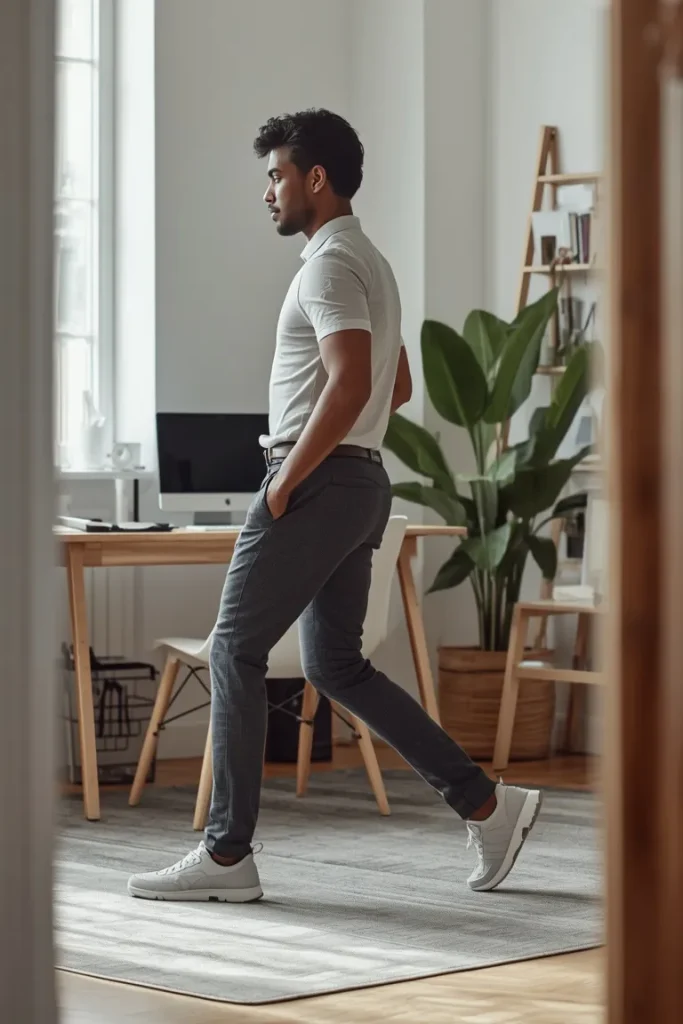
Try a simple workday pattern
Every work block:
- Work for a while.
- Stand up.
- Walk around briefly.
- Get water.
- Return to work.
You can also:
- Stand during some phone calls.
- Walk to speak with a colleague when practical.
- Use stairs instead of elevators when appropriate.
- Move around while thinking through a problem.
- Take a short walk during lunch.
- Avoid eating every meal directly at your desk.
The objective isn’t to obsessively track every minute.
It’s simply to avoid spending the entire day in one position.
WHO’s physical-activity guidance specifically addresses sedentary behavior and recommends reducing sedentary time while incorporating more physical activity.
3. Turn Household Chores Into Movement
Housework may not feel like exercise, but it gets you moving.
Consider tasks such as:
- Vacuuming
- Sweeping
- Mopping
- Washing dishes
- Cleaning bathrooms
- Washing the car
- Gardening
- Carrying laundry
- Organizing rooms
- Shopping for groceries
- Putting things away instead of leaving them for later
Don’t deliberately perform chores in an unsafe or excessively exhausting way just to burn more energy.
Simply avoid outsourcing every physical task when doing it yourself is practical.
A useful mindset
Instead of:
“I have to exercise.”
Try:
“I have opportunities to move.”
That small change can make activity feel less like another obligation.
4. Take the Stairs When Appropriate
Stairs are an easy opportunity to increase movement during your normal routine.
You might choose stairs when:
- You’re going up only a few floors.
- You’re physically comfortable using them.
- You’re not carrying something heavy.
- There isn’t a medical reason to avoid them.

You don’t need to sprint.
Walk at a controlled pace that matches your fitness level.
Beginner modification
If you’re not accustomed to stairs, start with one flight rather than forcing yourself to climb several.
Over time, your normal daily movement may become easier.
5. Walk During Phone Calls
This is one of the easiest habits for people with a desk-based job.
If you’re on a call that doesn’t require you to sit in front of a screen:
Stand up and walk.
You can walk around:
- Your home
- Your office
- A hallway
- A safe outdoor area
- A quiet part of the workplace
A single phone call won’t transform your energy expenditure.

But if you regularly have several calls throughout the week, turning some of them into walking opportunities can add up.
6. Make Your Commute More Active
Your commute may offer opportunities to move more.
Depending on your situation, you could:
- Walk part of the journey.
- Cycle when safe and practical.
- Park farther from the destination.
- Walk to or from public transportation.
- Take the stairs at transit stations.
- Walk around during a longer waiting period.
This doesn’t mean you need to completely change your transportation habits.
Even adding movement to one part of the journey can be useful.
7. Make Errands More Physical
Convenience is useful, but not every task needs to be completed with the least possible movement.
For example:
Instead of driving to a store that’s a practical walking distance away, consider walking.
Instead of asking someone else to carry a reasonable amount of groceries, carry them yourself if it’s safe.

Instead of completing every small errand online, consider combining some errands into a walk when appropriate.
Important distinction
Don’t create unnecessary inconvenience just to burn calories.
The goal is more natural movement, not making your life harder.
8. Stand More During Your Day
Standing generally uses more energy than sitting, but standing shouldn’t be treated as a magic weight-loss technique.
The bigger opportunity is to alternate positions and add movement.
For example:
| Situation | More active option |
|---|---|
| Phone call | Stand or walk |
| Watching a short video | Stand or move around |
| Waiting for food | Walk or stand |
| Short work break | Walk around |
| Reading a message | Stand briefly |
| Waiting for an elevator | Walk the stairs when appropriate |
| Lunch break | Walk after eating |
If you use a standing desk, remember that it doesn’t eliminate the need for movement.
Standing still all day isn’t the goal.
Changing position and moving regularly is more useful.
9. Play With Your Children
If you have children, everyday play can become a natural source of movement.
Try:
- Walking together
- Playing outside
- Kicking a ball
- Riding bicycles
- Going to a park
- Playing active games
- Exploring a new area
- Helping with outdoor activities
The benefit isn’t only the physical movement.
You also spend time together without needing to schedule a formal exercise session.
10. Get More Movement From Your Hobbies
Your hobbies can influence how active your normal day becomes.
Consider movement-friendly options such as:
- Gardening
- Hiking
- Recreational cycling
- Dancing
- Swimming
- Walking photography
- Playing recreational sports
- Exploring parks
- DIY projects
- Home improvement
- Active games
The best activity is often one you’re willing to repeat.
You don’t have to call it exercise for it to count as physical activity.
11. Use “Movement Snacks”
A movement snack is simply a short period of physical activity inserted into your day.

It could be:
- A five-minute walk
- A few minutes of stairs
- Light household activity
- A short mobility routine
- Walking around your building
- A few bodyweight movements
You don’t need to complete a full workout.
Example busy-day schedule
| Time | Movement opportunity |
|---|---|
| Morning | Walk while preparing for the day |
| Mid-morning | Brief walk away from your desk |
| Lunch | 10-minute walk |
| Afternoon | Stand and move between work blocks |
| Evening | Walk during a phone call |
| After dinner | Short neighborhood walk |
The individual activities are small.
That’s the point.
12. Increase Your Steps Gradually
Step counting can be useful if you enjoy tracking.
But don’t assume everyone needs to hit a particular number such as 10,000 steps every day.
There is no universal daily step target that every person must reach.
Instead, establish your current baseline and gradually increase it.
Simple progression
Week 1:
Notice how much you normally walk.
Week 2:
Add one short walk each day.
Week 3:
Add another regular movement opportunity.
Week 4:
Continue the habits that fit your schedule.
This approach is more useful than suddenly setting an unrealistic target and abandoning it after a few days.
Fitness trackers and pedometers can help monitor activity, but they’re optional. NIDDK notes that activity trackers can help people monitor activity and progress.
13. Make Your Environment Encourage Movement
Your environment can influence how much you move without you consciously thinking about it.
Small changes can make movement easier.
At home
- Keep walking shoes accessible.
- Store frequently used items where you have to move around.
- Take short walks during television breaks.
- Do small household tasks immediately rather than letting them accumulate.
At work
- Keep water slightly away from your desk.
- Use stairs when practical.
- Walk during suitable calls.
- Take movement breaks.
- Visit colleagues in person when practical.
Outside
- Choose parking spaces that require a little more walking.
- Walk short errands when practical.
- Choose active recreational locations.
The aim is not to engineer every part of your life around calorie expenditure.
It’s simply to remove some of the barriers to movement.
14. Combine Movement With Your Existing Routine
The easiest habits are often attached to things you already do.
This is sometimes called habit stacking.
For example:
After breakfast → 5-minute walk
After lunch → 10-minute walk
After a phone call → stand and move for a few minutes
After finishing work → walk before starting your evening
After dinner → short family walk
You don’t have to remember a completely new behavior.
You attach movement to something that already happens.
15. What About Household Chores and Calories?
It’s tempting to search for exact calorie-burn numbers for every activity.
Be careful with those numbers.
Energy expenditure varies according to factors such as:
- Body size
- Movement intensity
- Duration
- Fitness level
- Individual physiology
- How the activity is performed
A calorie estimate from a fitness tracker or online calculator should therefore be treated as an estimate, not an exact measurement.
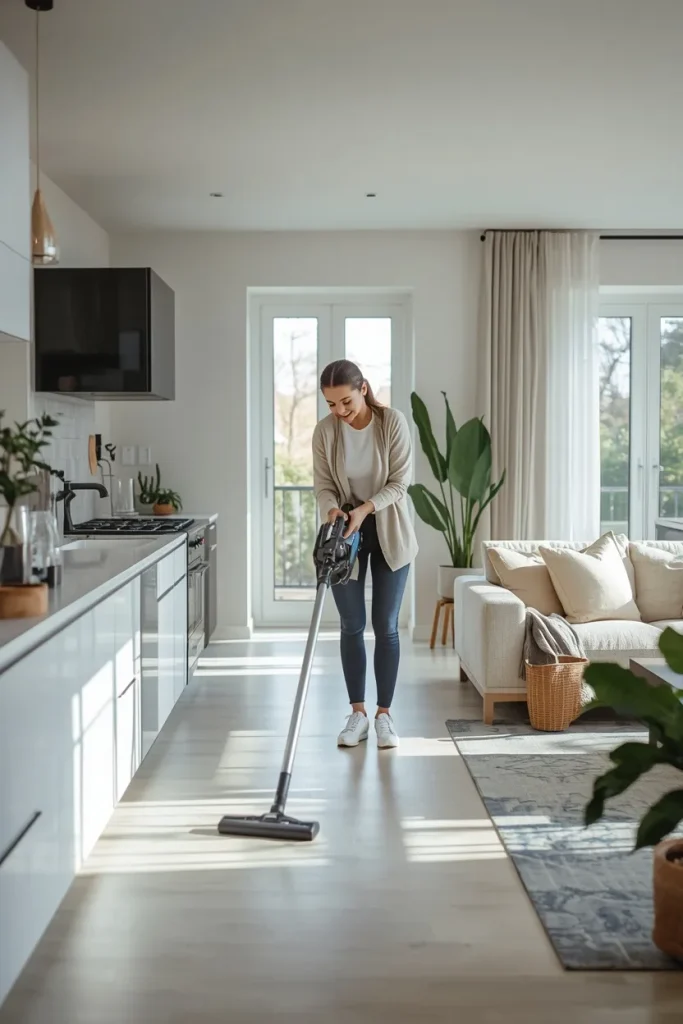
You don’t need to know exactly how many calories you burned while cleaning the kitchen.
The more useful question is:
“Did this activity help me spend less time sitting and more time moving?”
If yes, it can be a useful habit.
16. Can You Lose Weight Without Exercise?
This needs an important distinction.
If by “exercise” you mean structured workouts, then yes, you can increase daily energy expenditure without doing formal workouts.
But if by “exercise” you mean all physical activity, then the answer is different.
Walking, household tasks, active commuting, and other everyday movements are still physical activity.
Weight loss occurs when energy intake is lower than energy expenditure over time. Increasing movement can contribute to that balance, but food intake remains an important part of weight management. NIDDK recommends combining a sustainable eating pattern with physical activity rather than relying on activity alone.
So the better goal is not:
“How can I burn enough calories without exercise?”
It’s:
“How can I make my whole day more active while eating in a way that supports my goals?”
17. Don’t Try to Compensate for Food With Movement
One of the least useful approaches is treating movement as punishment for eating.
For example:
“I ate dessert, so I need to walk for an hour.”
That mindset can make physical activity feel like a punishment.
Instead, view movement as a normal part of taking care of your body.
You can enjoy dessert and still take your normal evening walk.
You can eat a restaurant meal and still return to your normal routine the next day.
You don’t need to “earn” food through movement.
18. Everyday Movement vs. Formal Exercise
Everyday activity and structured exercise have different roles.
| Everyday movement | Formal exercise |
|---|---|
| Walking to errands | Strength training |
| Housework | Running |
| Gardening | Cycling workout |
| Taking stairs | Resistance-band workout |
| Walking during calls | Structured cardio |
| Active hobbies | Planned fitness session |
| Playing with children | Sports training |
Neither category needs to replace the other.
If you have time and ability, structured exercise can provide important fitness benefits, including improvements in cardiovascular fitness and muscle strength.
For adults, public-health guidelines recommend regular aerobic activity plus muscle-strengthening activity. CDC guidance currently recommends at least 150 minutes of moderate-intensity aerobic activity per week and muscle-strengthening activity on at least two days per week for substantial health benefits.
But if you can’t fit a formal workout into a particular day, that doesn’t mean the day has to be completely inactive.
19. A Practical “No-Workout” Day Plan
Here’s an example for someone with a busy desk-based schedule.
Morning
- Walk around while getting ready.
- If practical, walk part of your commute.
- Take stairs when appropriate.
Workday
- Stand and move during suitable calls.
- Take a short walking break.
- Walk during lunch.
- Avoid sitting continuously for the entire afternoon.
Evening
- Do household chores.
- Walk while making a phone call.
- Take a short post-dinner walk.
- Spend some time on an active hobby.
The next day
Repeat the habits that were easy.
You don’t need to copy this schedule exactly.
The objective is to identify three or four movement opportunities that naturally fit your own day.
20. The Biggest Mistakes to Avoid
| Mistake | Why It Can Be a Problem | Better Approach |
|---|---|---|
| Chasing a specific calorie-burn number | Estimates can create false precision | Focus on consistent movement |
| Trying to stand all day | Standing isn’t a substitute for movement | Alternate sitting, standing, and walking |
| Suddenly doubling your activity | May be difficult to sustain | Increase gradually |
| Using movement to punish eating | Can create an unhealthy relationship with activity | Treat movement as part of normal life |
| Assuming walking replaces strength training | Different activities provide different benefits | Use everyday movement alongside exercise when possible |
| Making every task inconvenient | Creates unnecessary stress | Add movement where it naturally fits |
| Obsessing over step counts | Can make activity unnecessarily rigid | Use steps as a tool, not a rule |
| Ignoring nutrition | More movement doesn’t guarantee weight loss | Pair activity with a balanced eating pattern |
21. Your 7-Day Everyday Movement Challenge

You don’t need to change everything at once.
Try this simple week.
Day 1: Walk after one meal
Take a short walk after lunch or dinner.
Day 2: Walk during a phone call
Choose one suitable call and walk instead of sitting.
Day 3: Take the stairs
Use stairs for a practical trip if your fitness and surroundings make it appropriate.
Day 4: Break up sitting
Set a reminder or use natural work transitions to stand and move periodically.
Day 5: Walk for an errand
Walk to a nearby destination instead of driving when practical.
Day 6: Do an active household task
Garden, clean, organize, wash the car, or complete another physical task.
Day 7: Choose an active hobby
Take a walk, cycle, dance, play a sport, or spend time outdoors.
At the end of the week, don’t ask:
“How many calories did I burn?”
Ask:
“Which movement habits were easy enough to keep?”
Those are the habits worth repeating.
22. How to Make This Work for a Busy Schedule
If you’re extremely busy, prioritize movement opportunities based on effort versus convenience.
High-priority habits
These require little planning:
- Walking during phone calls
- Taking stairs
- Walking after meals
- Standing and moving during breaks
- Doing household tasks
- Walking short errands
Medium-priority habits
These require a little more planning:
- Active commuting
- Weekend walks
- Gardening
- Recreational sports
- Longer walks with family
Optional extras
These can be useful but aren’t necessary:
- Activity trackers
- Step-count goals
- Standing desks
- Fitness apps
Don’t buy equipment simply because you think it will make you more active.
Start with movement you can do immediately.
Frequently Asked Questions
Can I burn more energy without going to the gym?
Yes. Walking, household activities, active commuting, gardening, stairs, and other everyday movements all contribute to physical activity and energy expenditure.
Is walking enough to lose weight?
Walking can support weight management, but weight loss depends on overall energy balance. Your food and beverage intake, activity level, sleep, health, and other factors all matter. Physical activity also provides health benefits even when it doesn’t lead to weight loss.
How many steps should I take each day?
There isn’t one step count that everyone needs to reach. If you currently take relatively few steps, focus on gradually increasing your normal activity rather than immediately chasing a large target.
Does standing burn significantly more calories than sitting?
Standing uses more energy than sitting, but the difference should not be treated as a major weight-loss strategy. Focus on regularly changing position and, more importantly, adding actual movement.
Can housework count as physical activity?
Yes. Cleaning, gardening, carrying laundry, washing a car, and similar tasks involve physical movement. Their intensity varies, so don’t assume that every chore provides the same physical stimulus as structured exercise.
Can I lose weight without doing cardio?
You don’t need a specific type of cardio to lose weight. However, regular physical activity is important for health, and aerobic activity such as brisk walking can be part of a healthy lifestyle. Adults should also include muscle-strengthening activities regularly.
Is NEAT the same as exercise?
No. NEAT generally refers to energy used for physical activities outside structured exercise, eating, and sleeping. A planned strength workout or run is exercise; walking around your house or cleaning is everyday activity.
Should I track calories burned from walking?
You can track activity if you find it useful, but calorie-burn estimates from watches and apps are not exact measurements. Use them as rough feedback rather than assuming the displayed number is precise.
When Everyday Movement Isn’t Enough
If your primary goal is improving fitness, building strength, or substantially improving cardiovascular capacity, everyday movement shouldn’t necessarily replace structured exercise.
A combination of:
- Everyday movement
- Aerobic activity
- Strength training
- Balanced nutrition
- Adequate recovery
is generally more comprehensive.
If you currently do very little physical activity, however, starting with walking and reducing sedentary time is a perfectly reasonable place to begin.
You can build from there.
People with chronic medical conditions, significant mobility limitations, or symptoms that make physical activity difficult should discuss an appropriate activity plan with a healthcare professional. NIDDK specifically recommends seeking professional guidance when chronic conditions may affect the type or amount of activity that is safe.
Stop activity and seek appropriate medical attention if you experience concerning symptoms such as chest pain, fainting, severe dizziness, significant pain, or unusual shortness of breath.
The Bottom Line
You don’t need to turn every free minute into a workout.
A more practical strategy is to make movement part of your normal day.
Walk when you can. Take the stairs when appropriate. Break up long periods of sitting. Do your own household tasks. Walk during phone calls. Choose active hobbies. Make short trips more active when practical.
These habits won’t magically cancel out an unhealthy diet or replace all forms of exercise. But they can help you become less sedentary and create a more active lifestyle without adding another formal workout to your schedule.
Start with three changes this week:
- Take a short walk after one meal.
- Walk during one suitable phone call each day.
- Break up long periods of sitting.
Once those habits become normal, add another.
Everyday movement can complement structured exercise rather than replace it entirely. When you’re ready to add a dedicated workout, try our 30-minute full-body workout at home.
The goal isn’t to burn as many calories as possible.
The goal is to make moving more the easy, ordinary choice.
Save This Guide
Move more: Look for small opportunities throughout your day.
Sit less: Break up long periods of uninterrupted sitting.
Walk: Use short walks for meals, phone calls, errands, and commuting.
Use your environment: Take stairs and choose practical opportunities to move.
Make chores count: Cleaning, gardening, shopping, and household tasks all involve movement.
Track if useful: Steps and activity trackers can provide feedback, but they aren’t requirements.
Don’t punish yourself: Movement should support your health, not compensate for eating.
Build gradually: Start with habits you can repeat consistently.
Remember: Everyday movement complements, rather than necessarily replaces, structured exercise.
Sources & Further Reading
- National Institute of Diabetes and Digestive and Kidney Diseases (NIDDK): NIDDK — Eating & Physical Activity to Lose or Maintain Weight
- National Institute of Diabetes and Digestive and Kidney Diseases (NIDDK): NIDDK — Factors Affecting Weight & Health
- Centers for Disease Control and Prevention (CDC): CDC — Adult Activity: An Overview
- World Health Organization (WHO): WHO — Guidelines on Physical Activity and Sedentary Behaviour