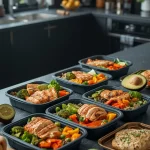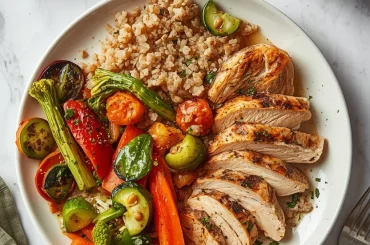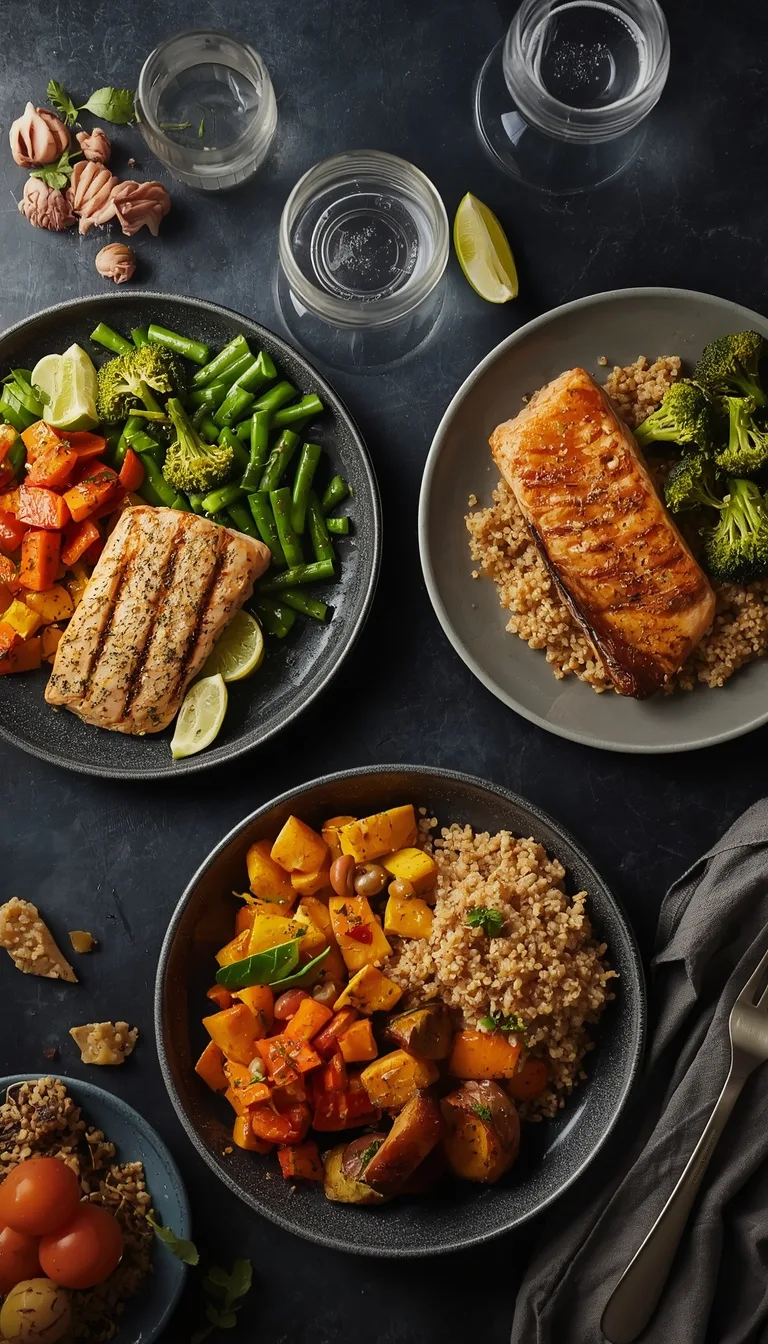
Dinner is where a lot of fat loss plans quietly fall apart. You eat light all day, get home tired, and either order something heavy or assemble a plate that is far bigger than you think. The fix is not a smaller plate of nothing. It is a dinner built on lean protein, plenty of vegetables, and a measured amount of carbohydrate and fat, so it is filling and still lands under 500 calories.
The catch with any “fat loss dinner Ideas under 500 calories” promise is accuracy. A recipe that says “grilled chicken with vegetables” could be 300 calories or 800, depending on the oil, the portion of chicken, and the sides. So in this guide, every recipe lists exact ingredient quantities, a line-by-line calorie and protein estimate, a clear preparation method, and substitutions with their calorie impact. Nothing is a vague “about 400.”
If you are still building the bigger picture, our guide on how to lose weight without extreme dieting covers the habits that make these dinners easier to stick with.
Why Dinners Under 500 Calories Work for Fat Loss
Fat loss comes down to a sustained, moderate calorie deficit, and the most reliable way to keep one going is to eat foods that keep you full. The NIDDK explains that a healthy eating pattern for weight management focuses on nutrient-dense foods and sensible portions rather than strict rules (see the sources at the end of this article).
A dinner in the 400 to 500 calorie range works well for many adults because it leaves room for breakfast, lunch, and a snack while still feeling like a real meal. Three design rules sit behind every recipe below:
- Protein first. Each recipe provides roughly 25 to 43 grams of protein. Protein is the most filling macronutrient, and it helps you hold on to muscle while you lose fat. If you want to know what your total daily number might look like, read how much protein you need a day.
- Volume from vegetables. Non-starchy vegetables add weight, fiber, and crunch for very few calories.
- Measured fats and starches. Cooking oil, avocado, rice, and potato are where “healthy” dinners drift over budget, so each is weighed or measured.
None of these meals is meant to be your whole day. Think of them as a reliable anchor you can repeat on busy nights.
How the Calories and Protein Were Calculated
All estimates in this article use reference values per 100 grams from the USDA FoodData Central database, scaled to the exact weight in each recipe. The method is simple, and you can repeat it with any recipe:
- Take the calories per 100 g of the ingredient.
- Multiply by the weight you use, divided by 100.
- Do the same for protein.
- Add every line together, including oil, sauces, and dressings.
For example, raw chicken breast is about 120 calories and 22.5 g of protein per 100 g. A 150 g raw portion is therefore 120 x 1.5 = 180 calories and 22.5 x 1.5 = 33.8 g of protein.
A few rules keep the numbers honest:
- Weigh raw unless stated. Chicken, turkey, fish, shrimp, tofu, and vegetables are weighed raw. Rice, quinoa, lentils in the soup, and potatoes are specified as cooked or dry in each recipe. Meat loses roughly a quarter of its weight when cooked, so 150 g raw chicken becomes about 112 g cooked.
- Count the oil. One teaspoon of olive oil is about 40 calories. It is the easiest ingredient to underestimate, so measure it with a spoon rather than pouring it.
- Round to the nearest whole calorie and protein to the nearest gram in the totals. Small rounding differences are normal.
- Leave a margin. Every recipe lands between roughly 425 and 456 calories, so normal variation in produce size or brand does not push the meal over 500.
Quick Comparison of the 7 Dinners
- Lemon-Garlic Grilled Chicken with Roasted Vegetables: about 454 calories, 41 g protein
- Salmon Salad with Lemon-Yogurt Dressing: about 448 calories, 35 g protein
- Turkey Burrito Bowl: about 456 calories, 35 g protein
- Garlic-Ginger Shrimp Stir-Fry: about 436 calories, 43 g protein
- Baked Cod with Tomato-Olive Sauce and Green Beans: about 425 calories, 37 g protein
- Spiced Red Lentil and Spinach Soup (vegetarian): about 446 calories, 25 g protein
- Sheet-Pan Sesame Tofu and Broccoli (vegetarian): about 453 calories, 34 g protein
All recipes below make one serving. To feed more people, multiply every quantity.
1. Lemon-Garlic Grilled Chicken with Roasted Vegetables
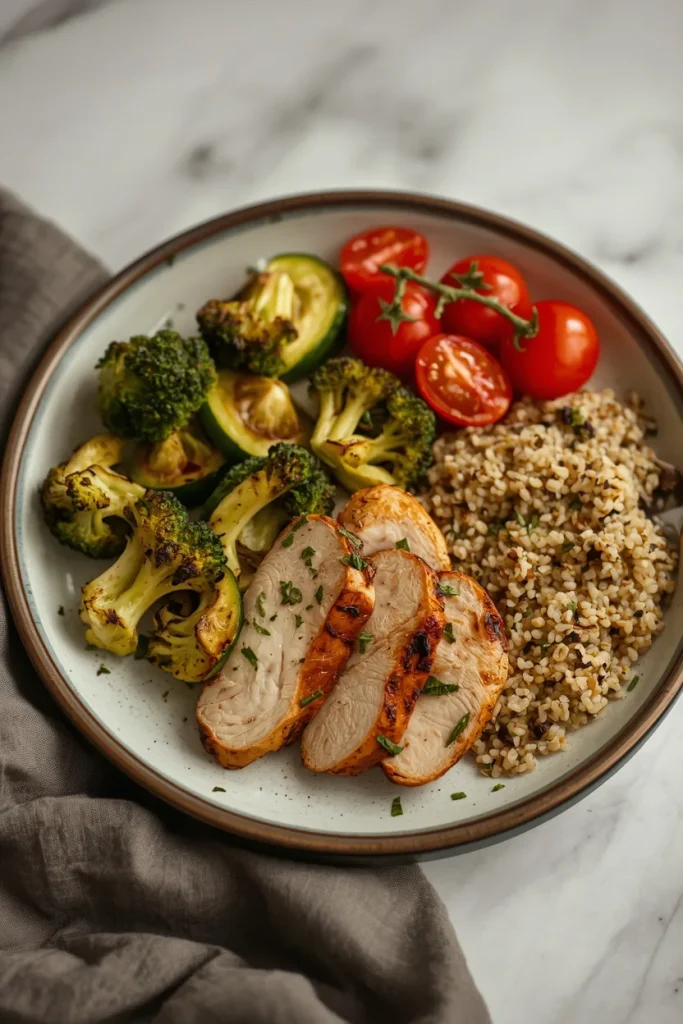
This is the dependable go-to. Lean chicken keeps you full, the roasted vegetables add volume, and a small portion of sweet potato makes it feel like a complete dinner rather than a diet plate.
Prep time: 10 minutes | Cook time: 25 minutes | Servings: 1
Ingredients, quantities, and calculation
- 150 g raw boneless, skinless chicken breast: 180 calories, 33.8 g protein
- 100 g broccoli florets: 34 calories, 2.8 g protein
- 100 g zucchini, sliced: 17 calories, 1.2 g protein
- 75 g red bell pepper, chopped: 23 calories, 0.7 g protein
- 150 g raw sweet potato, cut into 1.5 cm cubes: 129 calories, 2.4 g protein
- 1.5 teaspoons (about 7 g) olive oil: 60 calories, 0 g protein
- 1 garlic clove, minced: 4 calories, 0.2 g protein
- 1 tablespoon lemon juice: 4 calories, 0.1 g protein
- 1 teaspoon mixed dried herbs, paprika, salt, and pepper: about 3 calories
Total: about 454 calories and 41 g protein.
Preparation method
- Heat the oven to 220 C (425 F) and line a baking tray with parchment.
- Toss the sweet potato cubes with half the oil and roast for 10 minutes.
- Add the broccoli, zucchini, and pepper with the remaining oil and a pinch of salt. Roast for another 15 minutes, until the edges are browned.
- Meanwhile, rub the chicken with the garlic, lemon juice, herbs, paprika, salt, and pepper. If the breast is thick, slice it horizontally into two thinner cutlets so it cooks evenly.
- Grill or pan-sear in a dry non-stick pan for 4 to 5 minutes per side, until the internal temperature reaches 74 C (165 F) and the juices run clear.
- Rest the chicken for 3 minutes, slice, and serve over the vegetables.
Substitutions
- Chicken to shrimp: use 150 g raw peeled shrimp (128 calories, 30 g protein). This saves about 52 calories and 4 g protein.
- Chicken to cod: use 170 g raw cod (139 calories, 30 g protein). This saves about 41 calories.
- Sweet potato to quinoa: swap for 100 g cooked quinoa (120 calories, 4.4 g protein), a saving of about 9 calories with slightly more protein.
- Lower-carb version: replace the sweet potato with an extra 150 g of zucchini and broccoli (about 40 calories) and save roughly 90 calories.
If you are cooking for a household, this meal pairs well with a few more of these 10 easy family meals in your weekly rotation.
2. Salmon Salad with Lemon-Yogurt Dressing
Salmon brings healthy fats and protein, and a yogurt-based dressing gives creaminess without the 100-plus calories that a tablespoon or two of mayonnaise or oil would add. Because the salmon is baked on parchment, no cooking oil is needed.
Prep time: 10 minutes | Cook time: 12 minutes | Servings: 1
Ingredients, quantities, and calculation
- 110 g raw Atlantic salmon fillet, skin removed: 229 calories, 22.4 g protein
- 60 g mixed salad greens: 12 calories, 1.2 g protein
- 100 g cucumber, sliced: 15 calories, 0.7 g protein
- 80 g cherry tomatoes, halved: 14 calories, 0.7 g protein
- 40 g avocado (about one-quarter of a medium avocado): 64 calories, 0.8 g protein
- 20 g red onion, thinly sliced: 8 calories, 0.2 g protein
- 50 g cooked quinoa: 60 calories, 2.2 g protein
- 60 g plain nonfat Greek yogurt: 35 calories, 6.1 g protein
- 1 tablespoon lemon juice: 4 calories, 0.1 g protein
- 1 teaspoon Dijon mustard: 5 calories, 0.1 g protein
- Fresh dill, salt, and pepper: about 2 calories
Total: about 448 calories and 35 g protein.
Preparation method
- Heat the oven to 200 C (400 F). Place the salmon on a parchment-lined tray, season with salt, pepper, and a little of the lemon juice.
- Bake for 10 to 12 minutes, until the fish flakes easily and reaches 63 C (145 F) inside.
- Whisk the Greek yogurt, remaining lemon juice, Dijon, dill, and a splash of water until pourable.
- Arrange the greens, cucumber, tomatoes, onion, and quinoa in a bowl. Add the avocado.
- Flake the warm salmon over the top and drizzle with the dressing.
Substitutions
- Salmon to chicken: use 130 g raw chicken breast (156 calories, 29 g protein), saving about 73 calories.
- Quinoa to extra greens: leave out the quinoa and add 40 g more cucumber to save about 54 calories.
- No yogurt: a plain fat-free dairy alternative can work, but check the label because calories and protein vary widely. Recalculate with the numbers on the package.
- Meal-prep tip: keep the dressing separate and add it just before eating. Our guide on how long meal prep lasts in the fridge explains safe storage times for cooked fish and cut vegetables.
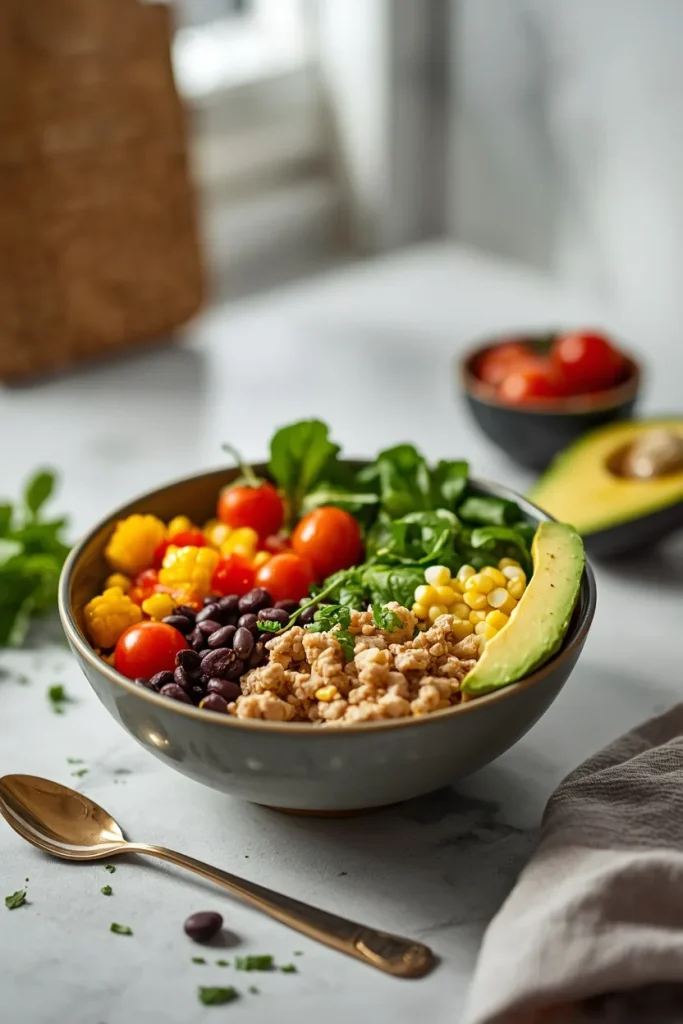
3. Turkey Burrito Bowl
A bowl makes portion control easy because every component is measured separately. Lean ground turkey, a modest scoop of rice, and a few beans give you protein, fiber, and a satisfying texture mix.
Prep time: 10 minutes | Cook time: 12 minutes | Servings: 1
Ingredients, quantities, and calculation
- 113 g (4 oz) raw 93% lean ground turkey: 170 calories, 21.1 g protein
- 100 g cooked brown rice: 123 calories, 2.7 g protein
- 50 g cooked black beans, rinsed: 66 calories, 4.5 g protein
- 60 g shredded romaine lettuce: 10 calories, 0.7 g protein
- 60 g cherry tomatoes, quartered: 11 calories, 0.5 g protein
- 40 g onion, diced: 16 calories, 0.4 g protein
- 40 g plain nonfat Greek yogurt (stands in for sour cream): 24 calories, 4.1 g protein
- 2 tablespoons (32 g) salsa: 10 calories, 0.5 g protein
- 0.5 teaspoon olive oil: 20 calories, 0 g protein
- 2 teaspoons of cumin, chili powder, and garlic powder blend, plus salt: about 6 calories, 0.3 g protein
Total: about 456 calories and 35 g protein.
Preparation method
- Warm the oil in a non-stick pan over medium heat and cook the onion for 3 minutes until soft.
- Add the turkey and break it up with a spoon. Add the spice blend and a pinch of salt.
- Cook for 6 to 8 minutes, until no pink remains and the internal temperature reaches 74 C (165 F). Ground poultry should always be cooked to this temperature.
- Build the bowl with lettuce, rice, and beans, then top with the turkey, tomatoes, salsa, and a spoon of yogurt.
Substitutions
- Rice to cauliflower rice: use 100 g cauliflower rice (25 calories, 1.9 g protein) and save about 98 calories.
- Skip the beans: save about 66 calories and 4.5 g protein.
- Leaner turkey: 99% lean ground turkey breast usually has fewer calories than 93% lean, but brands differ, so check the package and recalculate.
- Plant-based swap: replace the turkey with 150 g firm tofu crumbled and seasoned the same way (about 216 calories, 26 g protein), which brings the bowl to roughly 502 calories. Drop the beans to bring it back under 440.
If you want to compare how meals like this fit different goals, our post on 20 High-Protein Meal Ideas for Fat Loss helps you adjust portions.
4. Garlic-Ginger Shrimp Stir-Fry
Shrimp is one of the leanest, highest-protein foods you can buy, and it cooks in about four minutes. Cauliflower rice adds bulk, and a small portion of real brown rice makes the dish feel traditional.
Prep time: 15 minutes | Cook time: 8 minutes | Servings: 1
Ingredients, quantities, and calculation
- 150 g raw peeled shrimp: 128 calories, 30.2 g protein
- 150 g cauliflower rice: 38 calories, 2.9 g protein
- 90 g cooked brown rice: 111 calories, 2.5 g protein
- 80 g sugar snap peas: 34 calories, 2.4 g protein
- 75 g red bell pepper, sliced: 23 calories, 0.7 g protein
- 70 g white mushrooms, sliced: 15 calories, 2.2 g protein
- 50 g carrot, thinly sliced: 21 calories, 0.5 g protein
- 1 teaspoon (4.5 g) toasted sesame oil: 40 calories
- 1 tablespoon low-sodium soy sauce: 9 calories, 1.3 g protein
- 2 garlic cloves, minced: 9 calories, 0.4 g protein
- 5 g fresh ginger, grated: 4 calories, 0.1 g protein
- 1 tablespoon lime juice: 4 calories, 0.1 g protein
Total: about 436 calories and 43 g protein.
Preparation method
- Pat the shrimp dry and toss with the lime juice and half the soy sauce.
- Heat the sesame oil in a wok or large non-stick pan over high heat.
- Add the carrot and snap peas and stir-fry for 2 minutes. Add the mushrooms and pepper for 2 more minutes.
- Push the vegetables to the side, add the garlic and ginger for 20 seconds, then add the shrimp. Cook for 2 to 3 minutes until pink and curled.
- Stir in the cauliflower rice and remaining soy sauce and cook for 2 minutes.
- Serve over the warm brown rice.
Substitutions
- Shrimp to chicken: use 150 g raw sliced chicken breast (180 calories, 34 g protein). It adds about 52 calories and cooks 3 to 4 minutes longer.
- Brown rice to more cauliflower rice: replace the 90 g of brown rice with 100 g more cauliflower rice. That saves about 86 calories.
- Sodium-conscious: shrimp and soy sauce are both naturally salty. Use a reduced-sodium soy sauce and measure it with a spoon.
- Allergies: shellfish is a major allergen. Substitute chicken or firm tofu if needed.
5. Baked Cod with Tomato-Olive Sauce and Green Beans
Cod is mild, lean, and quick to cook. Roasting it over cherry tomatoes creates its own sauce, and a few olives add a salty, Mediterranean punch for very few calories.
Prep time: 10 minutes | Cook time: 20 minutes | Servings: 1
Ingredients, quantities, and calculation
- 170 g raw cod fillet: 139 calories, 30.3 g protein
- 150 g cherry tomatoes, halved: 27 calories, 1.4 g protein
- 120 g green beans, trimmed: 37 calories, 2.2 g protein
- 120 g boiled baby potatoes: 104 calories, 2.3 g protein
- 5 pitted Kalamata olives (about 20 g), sliced: 23 calories, 0.2 g protein
- 2 teaspoons (9 g) olive oil: 80 calories, 0 g protein
- 2 garlic cloves, sliced: 9 calories, 0.4 g protein
- 1 tablespoon capers (about 9 g), rinsed: 2 calories, 0.2 g protein
- 1 tablespoon lemon juice: 4 calories, 0.1 g protein
- Fresh basil, salt, and pepper: negligible
Total: about 425 calories and 37 g protein.
Preparation method
- Heat the oven to 200 C (400 F).
- In a small baking dish, toss the tomatoes, garlic, olives, capers, and half the oil. Roast for 10 minutes.
- Nestle the cod into the tomatoes, season with salt, pepper, and lemon juice, and drizzle with the remaining oil.
- Bake for 10 to 12 minutes, until the fish is opaque and flakes easily (63 C or 145 F).
- While it bakes, steam or boil the green beans for 4 to 5 minutes and warm the potatoes.
- Serve the cod with the tomato sauce spooned over, with the beans and potatoes alongside.
Substitutions
- Other white fish: haddock, pollock, or hake work in the same weight. Values are similar, but check your package and recalculate.
- Potatoes to extra beans: drop the potatoes and add 100 g more green beans (31 calories) to save about 73 calories.
- Olive-free: skip the olives and add an extra teaspoon of capers to save about 21 calories.
- Frozen fish: thaw fully in the fridge and pat dry. Excess water dilutes the sauce.
6. Spiced Red Lentil and Spinach Soup (Vegetarian)
Lentils deliver plant protein and fiber, which makes this soup surprisingly filling. It also scales well and freezes beautifully, so it is a good batch-cook candidate.
Prep time: 10 minutes | Cook time: 25 minutes | Servings: 1 (multiply for batches)
Ingredients, quantities, and calculation
Dry red lentils are about 350 calories and 24 g protein per 100 g, so 60 g dry gives you the figures below.
- 60 g dry red lentils, rinsed: 210 calories, 14.4 g protein
- 60 g onion, diced: 24 calories, 0.7 g protein
- 60 g carrot, diced: 25 calories, 0.6 g protein
- 40 g celery, diced: 6 calories, 0.3 g protein
- 2 garlic cloves, minced: 9 calories, 0.4 g protein
- 2 teaspoons (9 g) olive oil: 80 calories
- 100 g canned diced tomatoes: 21 calories, 1.0 g protein
- 60 g baby spinach: 14 calories, 1.7 g protein
- 400 ml low-sodium vegetable broth: about 15 calories
- 2 teaspoons ground cumin and turmeric blend: about 8 calories, 0.4 g protein
- 1 tablespoon lemon juice: 4 calories, 0.1 g protein
- 50 g plain nonfat Greek yogurt, for topping: 30 calories, 5.1 g protein
Total: about 446 calories and 25 g protein.
Preparation method
- Warm the oil in a medium pot over medium heat. Cook the onion, carrot, and celery for 5 minutes until soft.
- Add the garlic and spices and stir for 30 seconds.
- Add the lentils, tomatoes, and broth. Bring to a boil, then simmer for 15 to 18 minutes until the lentils collapse.
- Stir in the spinach until wilted, then add the lemon juice and season with salt and pepper.
- Serve topped with the yogurt.
Substitutions
- Green or brown lentils: values are close (about 350 calories per 100 g dry) but they need 25 to 30 minutes to soften.
- Add bread: one slice of whole-wheat bread (about 32 g) adds roughly 81 calories and 4 g protein, which would bring the meal close to 530 calories, so reduce the oil to 1 teaspoon if you want it.
- Dairy-free: skip the yogurt, saving 30 calories, and finish with extra lemon and herbs.
- More protein: stir in 100 g of diced cooked chicken breast near the end for about 150 calories and 30 g protein, then drop the oil to 1 teaspoon.
7. Sheet-Pan Sesame Tofu and Broccoli (Vegetarian)
One tray, minimal cleanup, and a high-protein result. Pressing the tofu is the key step because dry tofu browns instead of steaming.
Prep time: 15 minutes (plus 10 minutes pressing) | Cook time: 25 minutes | Servings: 1
Ingredients, quantities, and calculation
- 150 g extra-firm tofu (USDA firm tofu is about 144 calories and 17.3 g protein per 100 g): 216 calories, 26 g protein
- 120 g broccoli florets: 41 calories, 3.4 g protein
- 75 g red bell pepper, in strips: 23 calories, 0.7 g protein
- 50 g red onion, in wedges: 20 calories, 0.5 g protein
- 80 g cooked brown rice: 98 calories, 2.2 g protein
- 1 teaspoon (4.5 g) toasted sesame oil: 40 calories
- 1 tablespoon low-sodium soy sauce: 9 calories, 1.3 g protein
- 1 tablespoon rice vinegar: 3 calories
- 1 teaspoon garlic and ginger powder blend: about 3 calories
Total: about 453 calories and 34 g protein.
Tofu products vary by brand, and some extra-firm tofu is lower in calories than the USDA average. Always check your package and recalculate if it differs.
Preparation method
- Wrap the tofu in a clean towel and press under a heavy pan for 10 minutes. Cut into 2 cm cubes.
- Heat the oven to 220 C (425 F) and line a tray with parchment.
- Toss the tofu with the soy sauce, vinegar, garlic and ginger powder, and half the sesame oil. Spread on one side of the tray.
- Toss the broccoli, pepper, and onion with the remaining sesame oil and spread on the other side.
- Roast for 22 to 25 minutes, turning once, until the tofu is golden at the edges and the broccoli is lightly charred.
- Serve over the warm brown rice.
Substitutions
- Tofu to chicken: use 150 g raw chicken breast (180 calories, 34 g protein). This saves about 36 calories and adds about 8 g protein.
- Rice to cauliflower rice: swap for 80 g cauliflower rice (20 calories) and save about 78 calories.
- Gluten-free: use tamari instead of soy sauce and check the label on the rice vinegar.
- Nut-free and soy-free note: tofu is a soy food. If you avoid soy, choose the chicken swap.
How to Keep Your Dinners Under 500 Calories
The recipes above work because of a handful of habits, and you can apply them to any dinner.
Weigh the three big variables. Protein portion, starch portion, and added fat account for most of the calories in a typical dinner. A cheap kitchen scale and a set of measuring spoons are the most useful tools for calorie-controlled cooking.
Fill half the plate with non-starchy vegetables. This is consistent with USDA MyPlate guidance, which recommends building meals around vegetables, protein foods, and grains. Vegetables bring the meal volume up while adding very few calories.
Choose cooking methods that need little oil. Baking on parchment, roasting, steaming, grilling, and cooking in a non-stick pan let you use 1 to 2 teaspoons rather than tablespoons.
Watch sauces and dressings. A tablespoon of ranch dressing can add about 70 calories, and a tablespoon of oil adds 119. Yogurt-based dressings, salsa, lemon juice, mustard, and vinegar give flavor for far less.
Read labels when a brand differs. Packaged tofu, ground turkey, yogurt, and salsa vary considerably. The FDA’s guide to the Nutrition Facts label explains how to read serving sizes so you can adjust any figure here.
Do not drop dinner to nothing. Skipping meals or cutting calories too aggressively tends to backfire with hunger and overeating later. If you have slipped off track recently, read how to get back on track with healthy eating.
Sample Week Using These Dinners
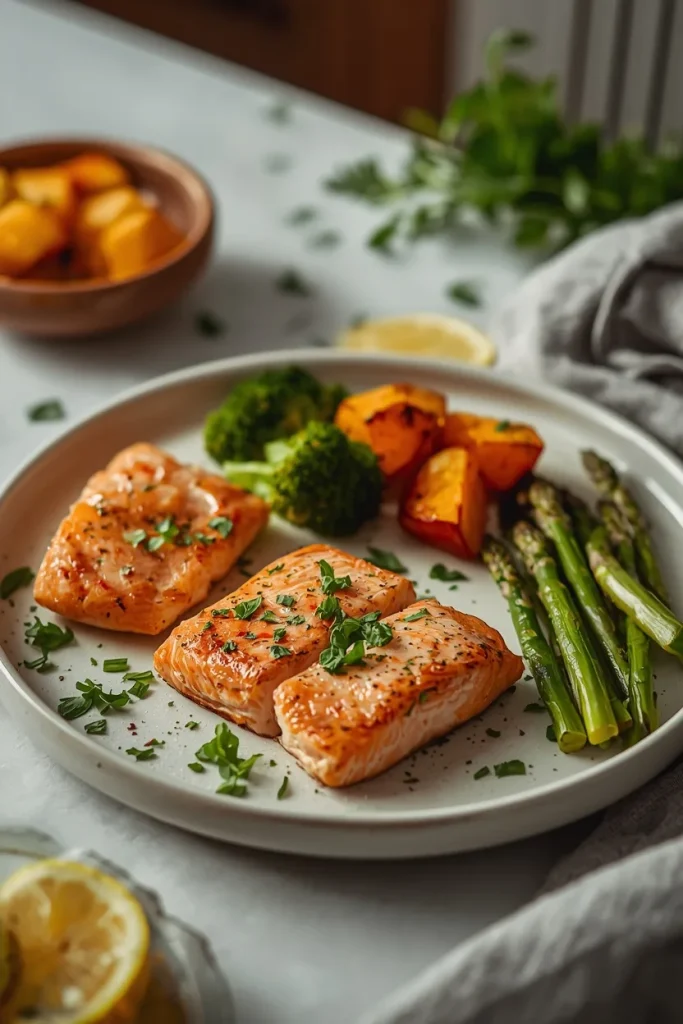
- Monday: Lemon-Garlic Grilled Chicken with Roasted Vegetables
- Tuesday: Spiced Red Lentil and Spinach Soup
- Wednesday: Garlic-Ginger Shrimp Stir-Fry
- Thursday: Turkey Burrito Bowl
- Friday: Baked Cod with Tomato-Olive Sauce
- Saturday: Salmon Salad with Lemon-Yogurt Dressing
- Sunday: Sheet-Pan Sesame Tofu and Broccoli
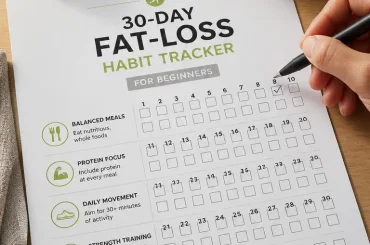
The chicken, lentil soup, and turkey bowl all batch-cook well. For a longer plan, see our ideas for high-protein meal prep on busy weekdays, and for more recipes, browse our fat loss meals for busy weeknights. If you like tracking, the 30-day fat-loss habit tracker pairs well with a rotation like this.
Frequently Asked Questions
Are 500-calorie dinners enough? For many adults, a dinner of 400 to 500 calories with 25 to 40 g of protein is a reasonable portion within a balanced day. Individual needs depend on your size, age, activity, and health, so treat these as examples rather than a prescription.
Can I eat these dinners every night? Yes, but variety helps. Rotating protein sources (poultry, fish, legumes, tofu) and different vegetables improves the range of nutrients you get.
Do I need to count calories to lose fat? No. Many people lose fat by using repeatable meals like these without counting everything else. Counting is simply a tool for the weeks when you want more precision.
Why do my numbers differ from an app? Apps often use different database entries, cooked versus raw weights, or brand-specific data. Compare like for like: raw weight with a raw entry, cooked weight with a cooked entry.
Can I add a side? All recipes have 45 to 75 calories of headroom below 500. A piece of fruit or a small side salad with lemon juice will usually fit. A tablespoon of oil or a slice of bread alongside most of them will not.
Calculation Disclaimer
The calorie and protein figures in this article are estimates based on USDA FoodData Central reference values for generic, raw or plainly prepared foods, scaled to the quantities listed. Actual values vary with brand, ripeness, trim, cooking method, moisture loss, and measuring accuracy, and recipes were not laboratory-tested. Differences of 5 to 10 percent are normal. Use the figures as a planning guide, check the label of any packaged ingredient, and recalculate if you substitute ingredients.
This article is for general information and is not medical or dietetic advice. It is not intended for children or teenagers, pregnant or breastfeeding women, or people with a medical condition, a history of disordered eating, or special dietary needs. Talk to a doctor or registered dietitian before changing how you eat, and read our health and fitness disclaimer.
Final Thoughts
Fat loss dinners under 500 calories do not need to be bland or complicated. Seven different proteins, measured portions, and a reliable cooking method each give you a repeatable meal that is filling and easy to track. Pick one for tonight, weigh it once to learn what the portion looks like, and build your weekly rotation from there. For more ideas, explore our Nutrition & Healthy Eating and Meal Prep & Recipes collections.
Sources and Further Reading
- USDA FoodData Central – the reference database for the per-100 g calorie and protein values used in this article. fdc.nal.usda.gov
- NIDDK – Eating & Physical Activity to Lose or Maintain Weight – guidance on sustainable eating patterns, calorie intake, and nutrient-dense foods. Read at niddk.nih.gov
- FDA – How to Understand and Use the Nutrition Facts Label – reading serving sizes and calories on packaged foods. fda.gov
- USDA FSIS – Safe Minimum Internal Temperature Chart – cooking temperatures for poultry, ground meat, and fish. fsis.usda.gov