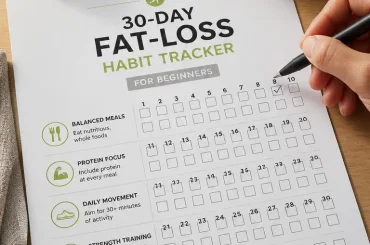
Losing body fat is rarely a matter of following a simple countdown. The time it takes depends on your starting point, nutrition, activity level, sleep, consistency, genetics, medications, and other individual factors. The scale can also change faster or slower than your actual body-fat level.
For most people, the most useful approach is to focus on a sustainable calorie deficit, regular physical activity, strength training, adequate nutrition, and habits that can be maintained for months rather than trying to force rapid results. The CDC describes gradual weight loss of about 1–2 pounds per week as a commonly recommended pace for people pursuing How to Lose Weight Without Extreme Dieting, while also noting that individual factors can affect results.
Quick Answer: How Long Does It Take to Lose Body Fat?
There is no universal timeline.
Some people notice changes in measurements or how their clothes fit before seeing a major difference on the scale. Others may see scale changes first but little visible change in body composition.
A realistic expectation is to think in terms of months, not days or a few weeks, particularly when the goal is to lose fat while maintaining muscle.
Your progress can also slow over time. As body weight decreases, your energy requirements can change, meaning the same eating and activity pattern may produce a different rate of weight change later. The NIH Body Weight Planner was developed specifically because body-weight change is more complex than simply applying a fixed calorie-to-weight formula.
Body Fat Loss vs. Weight Loss
These terms are related, but they are not identical.
Weight loss means a reduction in total body weight. That can include changes in:
- Body fat
- Water
- Glycogen
- Muscle tissue
- Digestive contents
Body-fat loss specifically refers to reducing stored fat.
This distinction matters if your goal is to look leaner, improve your body composition, or maintain muscle while losing fat. A lower scale number does not automatically mean that every kilogram lost came from body fat.
For someone doing resistance training, for example, maintaining muscle while gradually reducing body fat may be more useful than simply trying to make the scale drop as quickly as possible.
What Determines How Quickly You Lose Body Fat?
Several factors influence the pace.
1. Your Starting Point
Someone with more body fat to lose may experience a different rate of weight change than someone who is already relatively lean.
Your starting body weight, body composition, activity level, and eating habits all influence your energy requirements.
There is therefore no single number of weeks that applies to everyone.
2. Your Calorie Intake
A calorie deficit occurs when your body uses more energy than you consume over time.
However, that does not mean you need to slash calories as aggressively as possible.
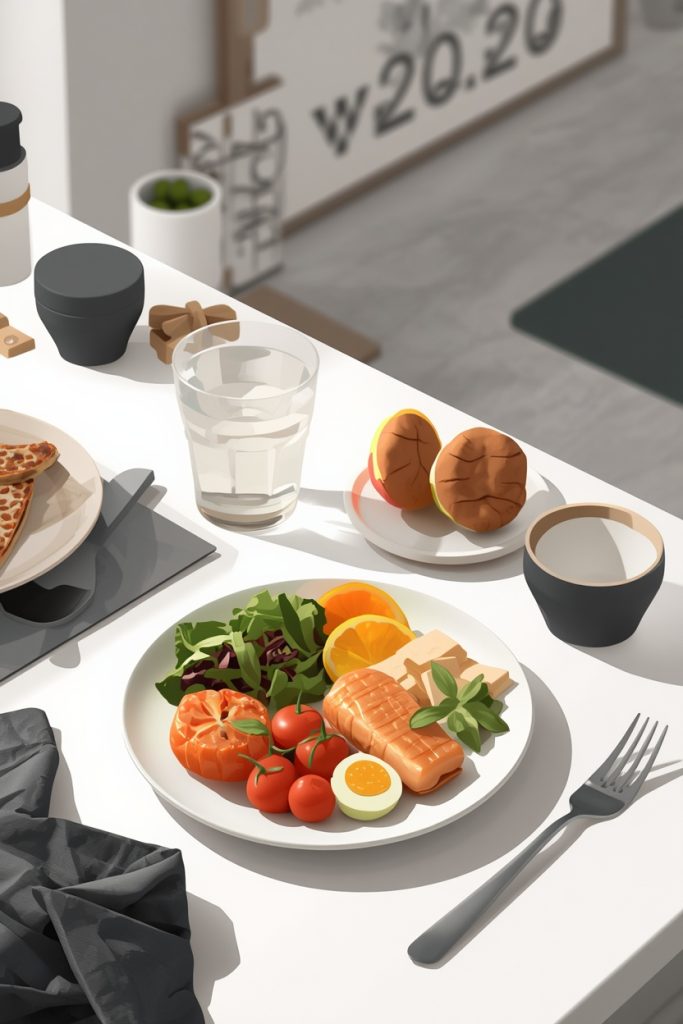
A sustainable eating pattern is generally more useful because it is something you can continue consistently. NIDDK recommends a healthy eating plan that includes foods such as vegetables, fruits, whole grains, dairy or suitable alternatives, and protein sources including lean meats, eggs, seafood, beans, lentils, nuts, seeds, and soy foods.
3. Physical Activity
Physical activity increases energy expenditure and can support weight management.
You do not need to turn every day into an intense workout.
A practical combination might include:
- Strength training
- Walking
- Cycling
- Jogging if appropriate
- Recreational activities
- Short periods of additional movement throughout the day
For beginners, increasing everyday movement can be much more sustainable than immediately attempting exhausting workouts.
4. Strength Training
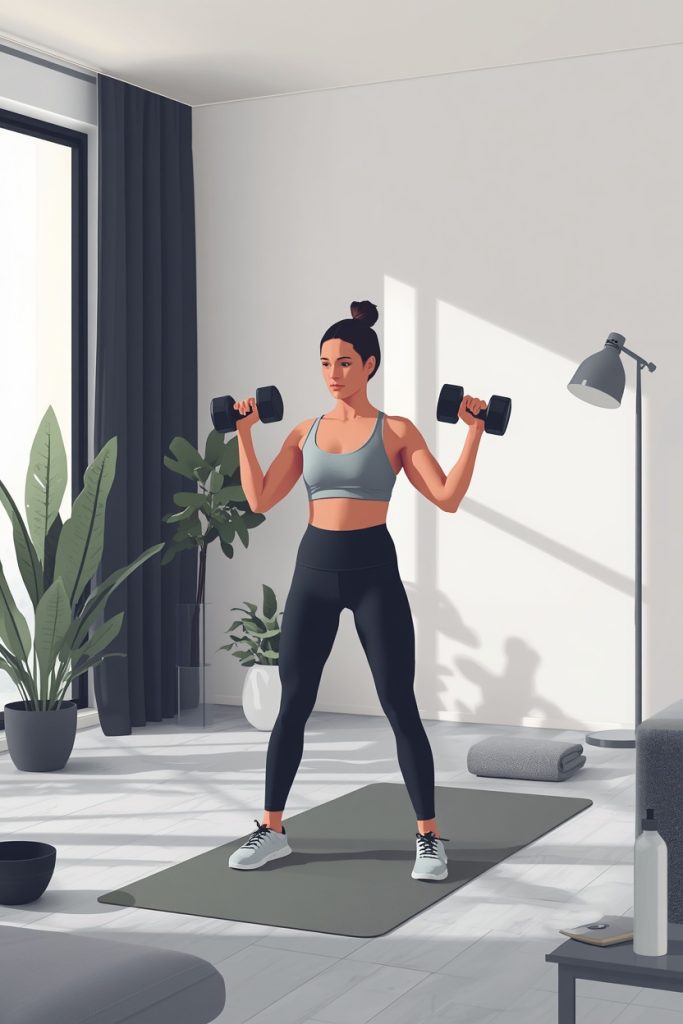
If your goal is to improve body composition, resistance training can be an important part of your routine.
Examples include:
- Squats
- Lunges
- Push-ups
- Rows
- Hip hinges
- Shoulder presses
- Resistance-band exercises
- Dumbbell exercises
The objective is not to burn as many calories as possible during every session. It is to give your muscles a reason to adapt while you improve your overall fitness.
5. Sleep and Recovery
Fat loss is not determined by exercise and food alone.
Sleep, stress, medications, medical conditions, hormones, age, genetics, and environment can all influence weight management.
This is one reason two people following apparently similar routines can experience different results.
What Does a Sustainable Fat-Loss Routine Look Like?
Rather than searching for the fastest possible approach, build a routine you can repeat.
| Area | Practical approach |
|---|---|
| Nutrition | Mostly nutrient-dense foods and appropriate portions |
| Protein | Include a protein source in regular meals |
| Strength training | Train major muscle groups consistently |
| Cardio | Add walking or other enjoyable aerobic activity |
| Daily movement | Reduce long periods of sitting when possible |
| Sleep | Establish a consistent sleep routine |
| Tracking | Monitor useful trends rather than obsessing over daily changes |
| Recovery | Allow your body enough time to recover |
You do not have to execute everything perfectly.
Consistency over many weeks matters more than having a perfect Monday followed by an abandoned plan on Tuesday.
Why the Scale May Not Match Your Expectations
Body weight naturally fluctuates.
Changes in hydration, food volume, sodium intake, carbohydrate intake, bowel contents, and other factors can temporarily affect the number on the scale.
That means a single weigh-in tells you very little about your actual fat-loss progress.
Instead, look for trends over time.
Better Progress Markers
Consider tracking several measures:
- Average body weight over time
- Waist circumference
- How your clothes fit
- Strength in key exercises
- Workout consistency
- Progress photographs taken under similar conditions
- Energy and general fitness
- Adherence to your nutrition plan
NIDDK also recommends tracking progress because monitoring can help people identify patterns, stay focused, and recognize setbacks.
How to Tell Whether Your Plan Is Working
Give your routine enough time to produce a meaningful trend.
Instead of asking:
“Why didn’t I lose weight this week?”
Ask:
“What has happened to my average weight, waist measurement, and habits over the past several weeks?”
A useful weekly check-in might look like this:
Weekly Fat-Loss Check
Nutrition
- Did I generally follow my planned eating pattern?
- Did I include adequate protein and nutrient-rich foods?
- Were portions appropriate most of the time?
Exercise
- Did I complete my planned strength sessions?
- Did I get regular walking or other aerobic activity?
- Did I progressively improve where appropriate?
Recovery
- Was my sleep reasonably consistent?
- Did I allow enough recovery?
- Was stress affecting my eating or activity?
Progress
- Is my weight trend changing?
- Has my waist measurement changed?
- Are my clothes fitting differently?
- Am I maintaining or improving strength?
This gives you much more information than relying on a single scale reading.

Common Fat-Loss Mistakes
Mistake 1: Trying to Lose Fat as Fast as Possible
Why it can be a problem:
Aggressive approaches can be difficult to maintain and may make adherence harder.
Better approach:
Use a sustainable calorie deficit and build habits you can maintain.
Mistake 2: Doing Only Cardio
Why it can be a problem:
Cardio is useful, but a complete body-composition strategy does not need to rely on cardio alone.
Better approach:
Combine resistance training with appropriate aerobic activity and everyday movement.
Mistake 3: Cutting Out Entire Food Groups Without a Reason
Why it can be a problem:
Eliminating foods unnecessarily can make an eating pattern harder to maintain.
Better approach:
Build meals around nutritious foods and appropriate portions. NIDDK notes that healthy eating patterns can include a variety of vegetables, fruits, whole grains, dairy or alternatives, and protein foods.
Mistake 4: Judging Progress From Daily Weight
Why it can be a problem:
Short-term fluctuations can hide the underlying trend.
Better approach:
Look at trends over multiple weeks and combine scale data with measurements and performance.
Mistake 5: Changing the Plan Every Few Days
Why it can be a problem:
Constantly changing your diet or workout routine makes it difficult to determine what is actually working.
Better approach:
Choose a sensible routine, follow it consistently, monitor the results, and make measured adjustments when necessary.
A Simple Beginner Approach
If you are starting from scratch, keep the first phase uncomplicated.
Step 1: Establish Your Eating Pattern
Build healthy meals most around:
- A protein source
- Vegetables or fruit
- A suitable carbohydrate source
- A moderate amount of healthy fat
You do not need to eliminate carbohydrates or completely avoid foods you enjoy.
Step 2: Start Strength Training
Aim for regular full-body resistance training appropriate to your fitness level.
For a beginner, bodyweight movements, resistance bands, or basic dumbbells can provide plenty of options.
Step 3: Walk More
Walking is accessible and easy to fit around work and family responsibilities.
Try adding short walks before work, during lunch, after dinner, or during other natural breaks in your day.
Step 4: Track a Few Useful Metrics
Choose two or three measures rather than tracking everything.
For example:
Weekly: average body weight
Every few weeks: waist measurement
Ongoing: workouts completed
Step 5: Stay With the Plan
Give your routine enough time to evaluate the trend.
If progress eventually stalls, review your food intake, activity, portion sizes, recovery, and adherence before making major changes.
What If Fat Loss Has Stalled?
A plateau does not necessarily mean that your body has stopped responding permanently.
First, check whether your weight trend has actually stalled or whether normal fluctuations are masking gradual progress.
Then review:
- Portion sizes
- Snacks and drinks
- Weekend eating
- Daily movement
- Workout consistency
- Sleep
- Changes in body weight
- How long the plateau has actually lasted
Your energy requirements can change as your weight changes, so a plan that initially produced weight loss may eventually need adjustment. NIDDK’s Body Weight Planner accounts for changing energy requirements rather than assuming a fixed relationship between calorie reduction and weight loss.
How Long Should You Give a Fat-Loss Plan?
There is no universal deadline.
Instead of setting a goal such as “lose all the fat in eight weeks,” consider setting process goals:
- Follow your meal structure most days
- Complete your planned workouts
- Walk regularly
- Get adequate sleep
- Track your progress
- Adjust gradually when necessary
The CDC recommends gradual, steady weight loss rather than rapid loss for people pursuing weight reduction.
The important distinction is that this does not mean everyone should lose exactly the same amount each week. Your individual rate can vary considerably.
Frequently Asked Questions
Can I lose body fat in two weeks?
You may experience some weight change over two weeks, but two weeks is generally too short to judge your complete body-composition progress. Short-term changes can also include water and glycogen fluctuations.
Focus on establishing consistent habits and looking at longer-term trends.
Can I lose body fat without going to the gym?
Yes. Fat loss does not require a commercial gym.
Home workouts, walking, cycling, resistance bands, dumbbells, and other forms of physical activity can all contribute to an active lifestyle.
Do I need to do cardio every day to lose fat?
No. Cardio is one tool, not the entire strategy.
A combination of appropriate strength training, aerobic activity, daily movement, nutrition, and recovery can be more practical than relying on daily intense cardio.
Can I lose fat while building muscle?
It is possible, particularly in some beginners or people returning to resistance training, although the rate and extent vary between individuals.
A sensible approach includes resistance training, adequate protein and overall nutrition, and realistic expectations.
Why am I losing weight but not seeing much visual change?
Changes in appearance can take time, and scale weight does not represent body fat alone.
Track waist measurements, clothing fit, progress photos, strength, and your longer-term weight trend alongside the scale.
Is faster fat loss better?
Faster is not automatically better.
The most useful approach is one that produces progress while remaining nutritionally adequate, physically appropriate, and sustainable. The CDC specifically recommends gradual, steady weight loss for people pursuing weight reduction.
When to Get Professional Guidance
Consider speaking with a doctor or qualified dietitian or fitness professional if you have a medical condition, take medications that may affect weight, have a history of disordered eating, are unsure how to structure your nutrition, or experience unusual symptoms during exercise.
During exercise, stop and seek appropriate medical advice if you experience concerning symptoms such as significant pain, dizziness, fainting, or unusual shortness of breath.
Individual circumstances matter, and a healthcare professional who knows your medical history can provide advice that general online guidance cannot.
The Bottom Line
So, how long does it take to lose body fat?
There is no fixed number of days or weeks.
Body-fat reduction is influenced by your starting point, energy intake, physical activity, strength training, sleep, genetics, medications, health conditions, and how consistently you can follow your routine.
Instead of chasing the fastest possible result, build a system you can maintain:
Eat well → train consistently → move regularly → recover → track trends → adjust gradually.
That approach gives you a much better foundation for sustainable fat loss than constantly switching between restrictive diets and intense short-term programs.
Save This Guide
For sustainable fat loss:
- Focus on gradual progress rather than rapid changes.
- Use a sustainable eating pattern.
- Include regular strength training.
- Add walking or other enjoyable physical activity.
- Track trends rather than individual weigh-ins.
- Monitor waist measurements and fitness progress.
- Prioritize sleep and recovery.
- Expect individual differences.
- Make gradual adjustments when progress genuinely stalls.
- Think in terms of months and sustainable habits, not overnight transformations.
Sources & Further Reading
- Centers for Disease Control and Prevention (CDC) — Steps for Losing Weight: Practical guidance on setting realistic goals, tracking progress, building healthy habits, staying active, and managing weight over time.
- National Institute of Diabetes and Digestive and Kidney Diseases (NIDDK) — About the Body Weight Planner: Information about the NIH Body Weight Planner, which can help adults create personalized calorie and physical-activity plans for reaching and maintaining a goal weight.
- NIDDK — Research Behind the Body Weight Planner: Background on the research and mathematical modeling behind the NIH Body Weight Planner and how diet and physical activity contribute to changes in body weight.