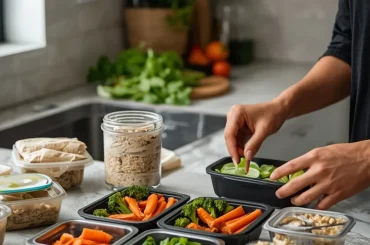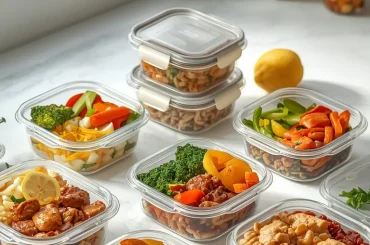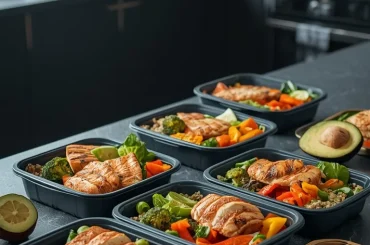
Getting dinner on the table every night is hard when you are juggling work, school pick-ups, groceries, and everything else. Add the goal of eating well, and it is tempting to fall back on pasta with jarred sauce or takeout again.
The good news is that a high-protein family dinner does not need special ingredients or a long cooking session. Most of the meals below take 30 minutes or less, use ingredients you can find in any supermarket, and can be customized so that picky eaters, hungry teenagers, and adults with fitness goals can all eat from the same pot or tray.
Each recipe of the 10 Easy High-Protein Family Dinners gives exact quantities for four servings, an estimated calorie and protein figure per serving, a simple method, a prep-time estimate, and family-friendly swaps. If you are cooking for the fitness-minded adults in the house, you will find the protein numbers useful. If you are feeding young children, the same meals work with smaller portions.
Why High-Protein Dinners Work for Busy Families
Protein is the nutrient most associated with feeling full after a meal, and a dinner built around a solid protein source tends to keep everyone satisfied for longer. For adults who are training or trying to lose body fat, adequate protein also supports muscle maintenance. If you are not sure how much you personally need, our guide on how much protein you need a day breaks it down simply.
Families have a few extra considerations that individuals do not:
- Different appetites. A toddler, a teenager, and two adults will never eat identical portions. Meals that are assembled at the table or served family-style let everyone take what they need.
- Different tastes. Build-your-own formats let children skip the foods they dislike without a separate dinner.
- Limited time. Meals that use one pan, leftovers, or batch-cooked chicken make weeknights realistic.
USDA MyPlate suggests planning meals before the week begins, using leftovers on busy nights, and involving children in food preparation when appropriate. CDC guidance likewise emphasizes variety: protein foods, vegetables, fruits, whole grains, and dairy, while limiting excess added sugars, sodium, and saturated fat. The recipes below follow that same pattern, with a bigger protein anchor.
The Simple Formula for a High-Protein Family Dinner
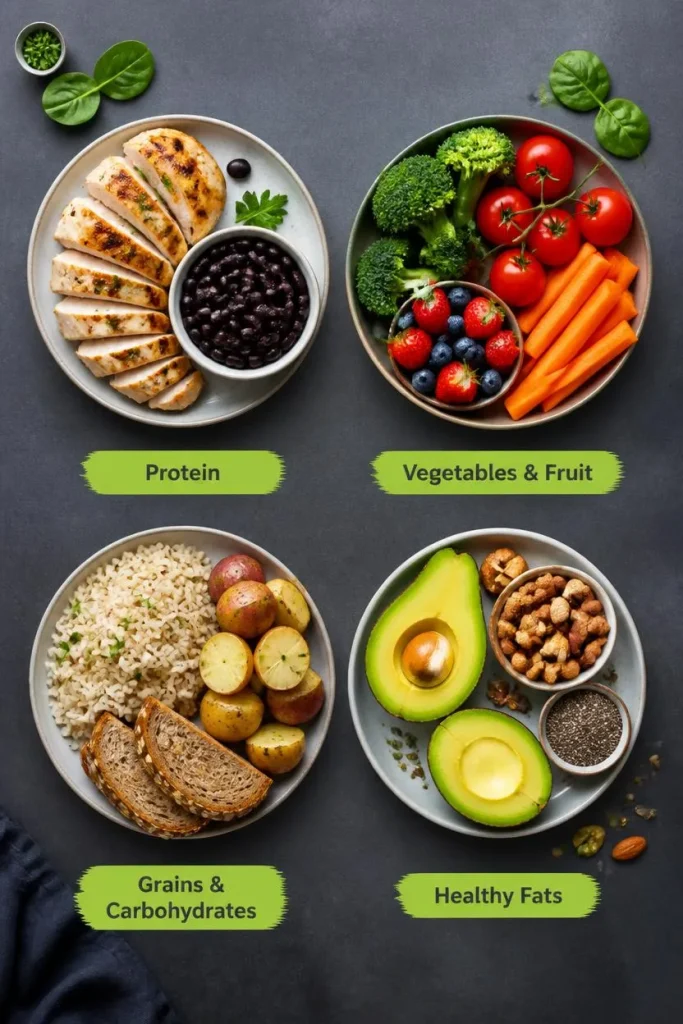
Before the recipes, here is the formula behind all ten:
Protein anchor + vegetables or fruit + a grain or starchy side + a small amount of healthy fat
For example:
- Chicken + broccoli + rice
- Salmon + asparagus + baby potatoes
- Beans and chicken + vegetables + whole-grain tortillas
- Lean beef + mixed vegetables + brown rice
A useful starting target for adult servings is a palm-and-a-half of protein (about 120 to 180 g of raw meat or fish, which is roughly 30 to 40 g of protein), half the plate as vegetables, and a modest scoop of starch. That is how most of the meals below reach 35 to 50 g of protein per adult serving.
How the Numbers Were Calculated
Calorie and protein figures come from USDA FoodData Central reference values per 100 g, scaled to the exact weight in each recipe, then divided by four servings. Raw weights are used for meat, fish, and vegetables unless stated. Rice, beans, and cooked chicken are listed as cooked.
Treat every figure as an estimate. Brands, cuts, trim, and cooking oil vary, so differences of 5 to 10 percent are normal. If you want the full method, we use the same approach in our fat loss dinner ideas under 500 calories.
All recipes below make 4 adult-sized servings. They will stretch further if some of the eaters are children.
Quick Overview: 10 Dinners, Per Serving
- Chicken burrito bowls: about 520 calories, 45 g protein
- Build-your-own turkey tacos: about 485 calories, 43 g protein
- Creamy garlic chicken pasta (Greek yogurt sauce): about 505 calories, 50 g protein
- Chicken and veggie pita pizzas: about 440 calories, 43 g protein
- Sheet-pan lemon-herb chicken and vegetables: about 440 calories, 46 g protein
- Beef and broccoli stir-fry: about 480 calories, 41 g protein
- Baked salmon with asparagus and potatoes: about 465 calories, 35 g protein
- Chicken and veggie wraps: about 460 calories, 48 g protein
- Chicken and bean quesadillas: about 525 calories, 49 g protein
- Chicken and white bean soup: about 440 calories, 44 g protein
1. Chicken Burrito Bowls
Bowls are the easiest dinner to customize. Everyone builds their own, so one person can load up on beans while another skips the corn.
Prep time: 15 minutes | Cook time: 15 minutes | Servings: 4
Ingredients (for 4)
- 600 g raw boneless, skinless chicken breast, cut into strips
- 400 g cooked brown rice (about 100 g per bowl)
- 250 g canned black beans, drained and rinsed
- 150 g frozen corn, thawed
- 300 g tomatoes, diced
- 120 g shredded romaine lettuce
- 1 medium avocado (about 150 g flesh), sliced, optional
- 2 teaspoons olive oil
- 2 tablespoons lime juice
- 1 tablespoon chili powder, cumin, and garlic powder blend, plus salt
Per serving: about 520 calories and 45 g protein (about 460 calories without the avocado).
Method
- Toss the chicken with the spice blend, salt, and half the lime juice.
- Heat the oil in a large non-stick pan over medium-high heat and cook the chicken for 6 to 8 minutes, until it reaches 74 C (165 F) inside.
- Warm the rice and beans.
- Set everything out in separate bowls and let each person assemble their own.
Family tips and swaps
- Use leftovers. Cooked chicken and rice from another night cut the prep time to about 10 minutes.
- Swap the grain. Quinoa or cauliflower rice work well. Cauliflower rice saves about 100 calories per bowl.
- For picky eaters. Serve the toppings plainly, with no sauce mixed in.
2. Build-Your-Own Turkey Tacos
Tacos work because everyone has control over what goes on the plate. Lean ground turkey and a spoonful of Greek yogurt in place of sour cream add protein without adding much fat.
Prep time: 10 minutes | Cook time: 12 minutes | Servings: 4 (2 tacos each)
Ingredients (for 4)
- 680 g (1.5 lb) raw 93% lean ground turkey
- 8 small (about 15 cm) corn tortillas, about 26 g each
- 100 g shredded lettuce
- 200 g tomatoes, diced
- 60 g shredded cheddar
- 120 g plain nonfat Greek yogurt
- 120 g salsa
- 1 teaspoon olive oil
- 2 tablespoons taco seasoning blend
Per serving: about 485 calories and 43 g protein.
Method
- Heat the oil in a pan and add the turkey. Break it up and cook for 8 to 10 minutes, until no pink remains and it reaches 74 C (165 F).
- Stir in the seasoning and a splash of water and simmer for 2 minutes.
- Warm the tortillas in a dry pan or the microwave.
- Put the toppings in bowls and let everyone build their tacos.
Family tips and swaps
- Plant-forward option. Replace half the turkey with 250 g of drained black beans. Protein falls slightly, but fiber rises.
- Chicken or lean beef. Use the same weight of raw ground chicken or 93% lean ground beef, and check the pack label for calories.
- Younger kids. Serve the filling in a bowl with tortilla chips or soft tortilla pieces.
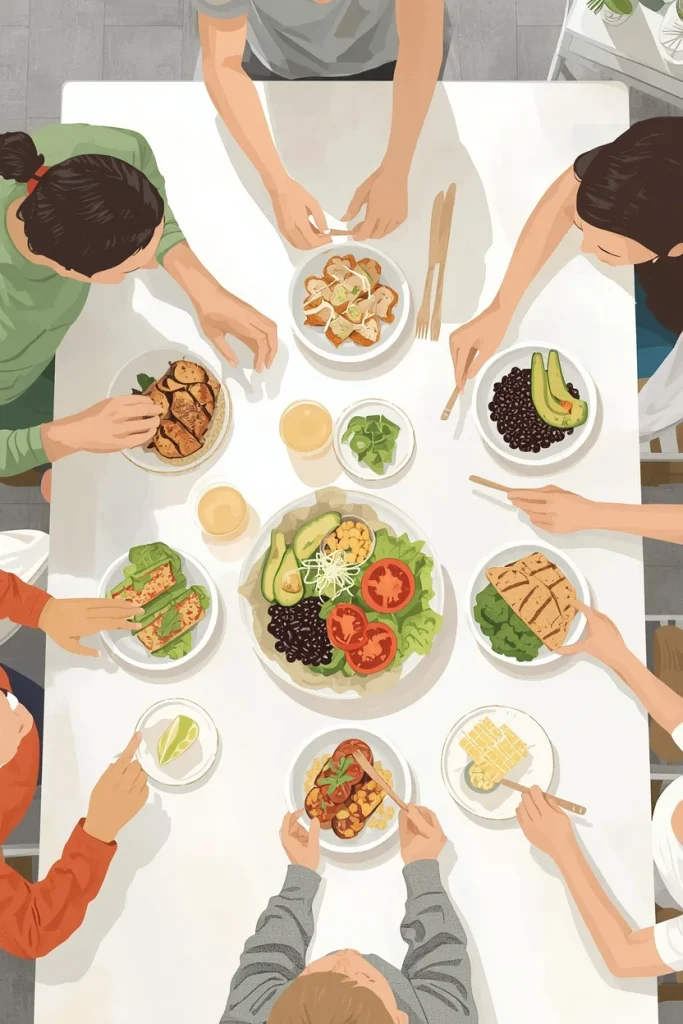
3. Creamy Garlic Chicken Pasta with Greek Yogurt
Pasta night does not have to be low in protein. Swapping cream for Greek yogurt and milk gives a creamy sauce and brings the protein per serving up to about 50 g.
Prep time: 10 minutes | Cook time: 20 minutes | Servings: 4
Ingredients (for 4)
- 500 g raw chicken breast, diced
- 240 g dry whole-wheat pasta (60 g dry per person)
- 400 g broccoli florets
- 4 garlic cloves, minced
- 200 g plain nonfat Greek yogurt
- 120 ml low-fat milk
- 40 g finely grated Parmesan
- 2 teaspoons olive oil
- Black pepper and Italian herbs
Per serving: about 505 calories and 50 g protein.
Method
- Cook the pasta in salted water, adding the broccoli for the last 3 minutes. Reserve a cup of the cooking water, then drain.
- Heat the oil in a large pan, season the chicken, and cook for 6 to 7 minutes until it reaches 74 C (165 F). Add the garlic for the final 30 seconds.
- Lower the heat. Whisk the yogurt, milk, and Parmesan together, stir them into the pan, and warm gently for 1 to 2 minutes. Do not boil, or the yogurt can split.
- Toss in the pasta and broccoli, loosening the sauce with the reserved water.
Family tips and swaps
- Frozen broccoli or spinach work well when fresh is not available.
- Use leftover chicken. Add 450 g of cooked chicken at the end instead of cooking raw chicken.
- Gluten-free. Use chickpea or brown-rice pasta, which can change calories and protein, so check the label.
4. Chicken and Veggie Pita Pizzas
Pizza night is easier when the crust is already made. Whole-wheat pitas bake into crisp personal pizzas in 8 minutes, and children can add their own toppings.
Prep time: 10 minutes | Cook time: 8 minutes | Servings: 4 (1 pizza each)
Ingredients (for 4)
- 4 whole-wheat pita breads, about 64 g each
- 120 g tomato sauce
- 160 g shredded part-skim mozzarella
- 320 g cooked, shredded chicken breast
- 100 g bell pepper, diced
- 100 g mushrooms, sliced
- 60 g baby spinach
- 1 teaspoon olive oil
- Dried oregano and basil
Per serving: about 440 calories and 43 g protein.
Method
- Heat the oven to 230 C (450 F). Brush the pitas lightly with the oil and place on a baking tray.
- Spread each with the sauce, then sprinkle with half the cheese.
- Add the chicken and vegetables, then top with the remaining cheese.
- Bake for 7 to 8 minutes, until the cheese is bubbling and the edges are crisp.
Family tips and swaps
- Make it an activity. Let each child choose toppings. Younger children can sprinkle cheese with adult supervision.
- Naan or tortillas also work as a base. Check the label for calories and protein, since they vary.
- Extra protein. Use cottage cheese blended into the sauce for a creamier, higher-protein base.
5. Sheet-Pan Lemon-Herb Chicken and Vegetables
One tray, minimal cleanup, and everything finishes at the same time. This is the template meal that you can repeat every week by changing the seasoning.
Prep time: 15 minutes | Cook time: 30 minutes | Servings: 4
Ingredients (for 4)
- 700 g raw boneless, skinless chicken breast
- 500 g baby potatoes, halved
- 400 g broccoli florets
- 300 g carrots, sliced
- 200 g bell pepper, chopped
- 4 teaspoons (about 18 g) olive oil
- 3 tablespoons lemon juice
- 4 garlic cloves, minced
- Dried herbs, paprika, salt, and pepper
Per serving: about 440 calories and 46 g protein.
Method
- Heat the oven to 220 C (425 F). Toss the potatoes and carrots with half the oil and roast for 12 minutes.
- Toss the chicken with the lemon juice, garlic, herbs, paprika, salt, and the remaining oil. Cut thick breasts in half horizontally so they cook evenly.
- Add the chicken, broccoli, and peppers to the tray.
- Roast for 15 to 18 minutes, until the chicken reaches 74 C (165 F) and the vegetables are browned.
Family tips and swaps
- Rotate the flavor. Try garlic and paprika, Italian herbs, mild curry, or soy-ginger.
- Chicken thighs are more forgiving if the family is slow to the table. They have more fat, so recalculate calories using your package label.
- Frozen vegetables can go on the tray for the final 15 minutes.
This is also a good base for weekly prep. Our guide to meal prep for beginners shows how to cook once and eat twice.
6. Beef and Broccoli Stir-Fry
A stir-fry combines protein and several vegetables in one pan, and the whole meal takes about 20 minutes.
Prep time: 15 minutes | Cook time: 8 minutes | Servings: 4
Ingredients (for 4)
- 600 g raw lean sirloin or flank steak, trimmed and thinly sliced against the grain
- 500 g broccoli florets
- 200 g bell pepper, sliced
- 200 g snow peas
- 150 g carrots, thinly sliced
- 400 g cooked brown rice (100 g per serving)
- 2 teaspoons (9 g) vegetable or avocado oil
- 3 tablespoons low-sodium soy sauce
- 2 teaspoons cornstarch
- 4 garlic cloves and 10 g fresh ginger
Per serving: about 480 calories and 41 g protein. Lean beef values vary by cut, so check your pack and adjust if needed.
Method
- Toss the beef with the cornstarch and half the soy sauce.
- Heat half the oil in a wok or large pan over high heat. Sear the beef in a single layer for 2 minutes, then remove it.
- Add the remaining oil, carrots, and broccoli with a splash of water. Cook for 3 minutes.
- Add the peppers, snow peas, garlic, and ginger for 2 minutes.
- Return the beef to the pan, add the remaining soy sauce, and toss for 1 minute.
- Serve over the rice.
Family tips and swaps
- Use whatever vegetables you have. Frozen mixed vegetables are fine.
- Chicken or shrimp can replace the beef at the same raw weight.
- Watch sodium. Choose low-sodium soy sauce and measure it rather than pouring.
7. Baked Salmon with Asparagus and Potatoes
Salmon makes a weeknight dinner feel special with almost no effort, and it is a natural source of protein and omega-3 fats.
Prep time: 10 minutes | Cook time: 20 minutes | Servings: 4
Ingredients (for 4)
- 4 skinless Atlantic salmon fillets, 150 g raw each
- 400 g baby potatoes, halved
- 400 g asparagus, trimmed
- 200 g cherry tomatoes
- 4 teaspoons (about 18 g) olive oil
- 2 tablespoons lemon juice
- 3 garlic cloves, sliced
- Black pepper, salt, and fresh dill or parsley
Per serving: about 465 calories and 35 g protein.
Method
- Heat the oven to 200 C (400 F). Toss the potatoes with half the oil and roast for 12 minutes.
- Add the asparagus and tomatoes to the tray. Place the salmon on top or alongside, brush with the remaining oil, and season with lemon, garlic, pepper, and herbs.
- Roast for 10 to 12 minutes, until the salmon reaches 63 C (145 F) and flakes easily.
Family tips and swaps
- Salmon alternatives. Use cod, haddock, or trout if the family prefers a milder fish. Cod is leaner, so the meal will be lower in calories.
- Not a fish family? Substitute chicken breast at the same raw weight.
- Canned salmon makes quick salmon cakes on nights when you do not want to turn the oven on.
8. Chicken and Veggie Wraps
Wraps are a fast dinner when the chicken is already cooked, and they are easy to assemble at the table.
Prep time: 15 minutes | Cook time: none if using cooked chicken | Servings: 4
Ingredients (for 4)
- 480 g cooked chicken breast, sliced or shredded (120 g each)
- 4 large whole-wheat tortillas (about 150 calories and 5 g protein each, per the label)
- 120 g plain nonfat Greek yogurt
- 60 g hummus
- 80 g lettuce
- 160 g cucumber, sliced
- 160 g tomatoes, sliced
- 120 g bell pepper, sliced
- 100 g avocado, sliced
- 1 tablespoon lemon juice
Per serving: about 460 calories and 48 g protein. Tortillas vary, so use your label.
Method
- Stir the lemon juice into the yogurt and spread yogurt and hummus over each tortilla.
- Layer the chicken, vegetables, and avocado down the middle.
- Fold in the sides, roll tightly, and cut in half.
Family tips and swaps
- Serve it deconstructed. Put the ingredients on the table and let everyone roll their own.
- Tuna or egg salad. Mixed with Greek yogurt, either replaces the chicken.
- Add fruit. Apple slices or berries on the side round out the plate.
If you are short on time at midday as well, our no-cook high-protein lunches use similar ingredients.
9. Chicken and Bean Quesadillas
Quesadillas are quick and adaptable. Using chicken and beans as the main filling, with cheese as the binder, brings the protein up while keeping saturated fat in check.
Prep time: 10 minutes | Cook time: 10 minutes | Servings: 4 (1 large quesadilla each)
Ingredients (for 4)
- 360 g cooked, shredded chicken breast (90 g each)
- 4 large (25 cm) whole-wheat tortillas (about 190 calories and 6 g protein each, per the label)
- 120 g shredded part-skim mozzarella
- 160 g cooked black beans, drained and rinsed
- 120 g bell pepper, diced
- 120 g salsa
- 120 g plain nonfat Greek yogurt, for serving
- 2 teaspoons olive oil for the pan
Per serving: about 525 calories and 49 g protein. Serve with sliced vegetables or a simple salad, which adds very few calories.
Method
- Spread chicken, beans, pepper, and cheese over one half of each tortilla. Fold over.
- Heat a little of the oil in a pan over medium heat.
- Cook each quesadilla for 2 to 3 minutes per side, until crisp and the cheese melts.
- Cut into wedges and serve with the salsa and yogurt.
Family tips and swaps
- Make it lighter. Use smaller tortillas and cut the cheese to 90 g to save about 80 calories per serving.
- Make it veggie-forward. Add 100 g of spinach or corn to the filling.
- Bake instead. Place on a tray, brush with oil, and bake at 220 C (425 F) for 10 minutes if you are making many at once.
10. Chicken and White Bean Soup
Soup stretches across more than one night, and adding chicken and beans turns it from a side dish into a high-protein dinner.
Prep time: 15 minutes | Cook time: 25 minutes | Servings: 4
Ingredients (for 4)
- 450 g raw chicken breast, diced
- 500 g canned cannellini beans, drained and rinsed
- 150 g baby spinach
- 200 g carrots, diced
- 150 g celery, diced
- 150 g onion, diced
- 400 g canned diced tomatoes
- 4 garlic cloves, minced
- 1.2 L low-sodium chicken broth
- 2 teaspoons olive oil
- 20 g grated Parmesan, for serving
- Italian herbs, pepper, and salt
Per serving: about 440 calories and 44 g protein. Add a slice of whole-grain bread (about 80 calories and 4 g protein) for roughly 520 calories and 48 g protein.
Method
- Heat the oil in a large pot and cook the onion, carrot, and celery for 5 minutes.
- Add the garlic and herbs for 30 seconds.
- Add the tomatoes, broth, and chicken. Simmer for 12 to 15 minutes, until the chicken reaches 74 C (165 F).
- Add the beans and simmer for 5 more minutes. Stir in the spinach until it wilts.
- Serve topped with the Parmesan.
Family tips and swaps
- Make it ahead. Soup keeps for several days in the fridge and freezes well. Our guide on how long meal prep lasts in the fridge covers safe storage.
- Pantry version. Use canned chicken or leftover rotisserie chicken (remove the skin) and skip the cooking step.
- Vegetarian. Replace the chicken with a second 400 g of beans and use vegetable broth. Protein falls to roughly 28 g per serving.
How to Make High-Protein Family Dinners Easier
You do not need to cook an entirely new dinner every night. A few habits cut the work dramatically.
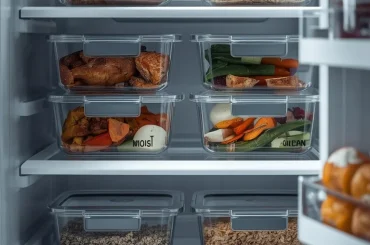
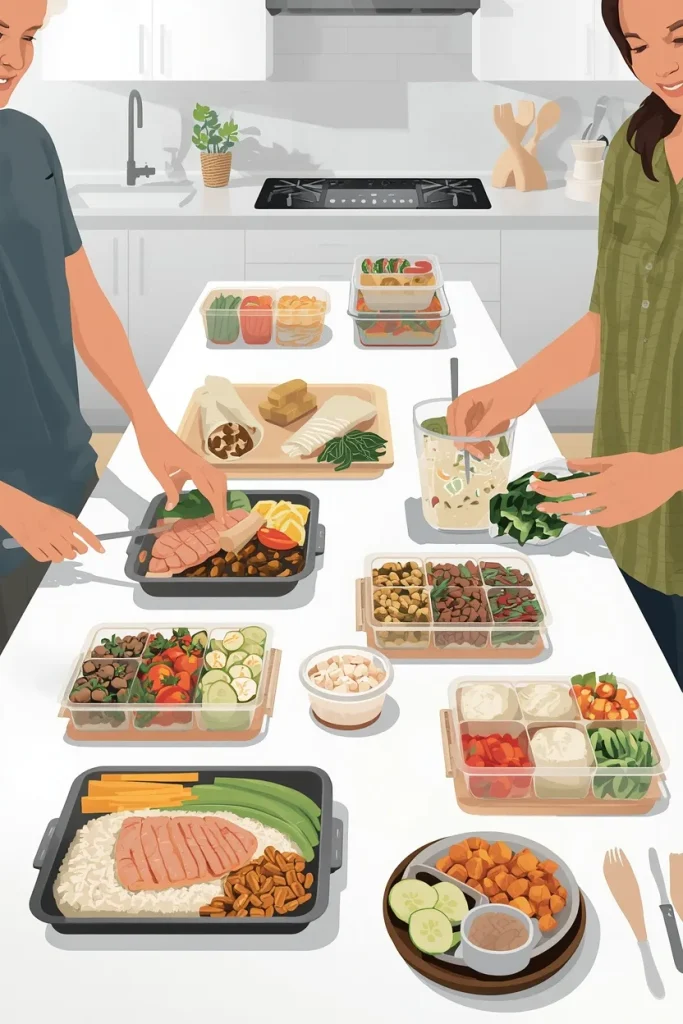
Batch-cook the building blocks. Cook a tray of chicken breasts, a pot of rice, and a batch of roasted vegetables once, and you have the base for burrito bowls, wraps, pita pizzas, and quesadillas. If you want ready-made ideas, try these high-protein meal prep ideas for busy weekdays.
Keep a protein pantry. Canned beans, canned tuna or salmon, eggs, Greek yogurt, frozen chicken, frozen fish, and frozen vegetables mean you can assemble a meal without a store run. The same principle applies when money is tight, and our guide to 4 Budget-Friendly High-Protein Meal Prep Bowls shows how.
Use leftovers on purpose. Cook extra chicken for tomorrow’s wraps, double the rice, and freeze portions of soup. USDA MyPlate recommends planning meals around what you already have and including leftovers in the weekly plan.
Let people customize. Serve components separately when you can. Children and adults will each take what they want, and you avoid the nightly negotiation.
Do not turn dinner into a diet for children. The calorie and protein figures here are for adults who are tracking their intake. Children should be offered balanced meals and allowed to listen to their hunger, without calorie counting. If you have questions about a child’s nutrition or growth, ask your pediatrician or a registered dietitian.
Picky Eaters and Different Appetites
A few approaches work well when preferences differ:
- Offer one “safe” food at every meal. Rice, bread, or fruit gives a reluctant eater something to fall back on while they get used to the rest.
- Serve small amounts of new foods alongside familiar ones without pressure. It can take many exposures before a child accepts a new food.
- Use dips and sauces. Plain Greek yogurt with herbs, mild salsa, or hummus can make vegetables more appealing.
- Scale up for teenagers and athletes. Add a second serving of the protein or a bigger scoop of rice rather than a second full meal.
- Scale down for toddlers. Offer a smaller portion and let them ask for more.
A Sample Week of High-Protein Family Dinners
- Monday: Sheet-pan lemon-herb chicken and vegetables (cook extra chicken)
- Tuesday: Chicken burrito bowls using Monday’s leftover chicken
- Wednesday: Build-your-own turkey tacos
- Thursday: Beef and broccoli stir-fry
- Friday: Chicken and veggie pita pizzas
- Saturday: Baked salmon with asparagus and potatoes
- Sunday: Chicken and white bean soup, with extra portions for lunches
Use the creamy garlic chicken pasta, wraps, and quesadillas to swap in on especially busy nights. For more ideas aimed at adults with body-composition goals, browse our fat loss meals with easy high-protein recipes for busy weeknights, and for ways to adapt portions to different goals, see our 20 High-Protein Meal Ideas for Fat Loss.
Food-Safety Reminders
Simple meals still need safe handling. These points apply to almost every recipe here:
- Use a food thermometer. Cook poultry and ground meat to 74 C (165 F), and fish to 63 C (145 F). Whole cuts of beef should reach 63 C (145 F) with a 3-minute rest.
- Refrigerate cooked rice, chicken, and other leftovers promptly, ideally within two hours.
- Reheat leftovers to 74 C (165 F).
- Keep raw meat and its juices away from vegetables and cooked food, and wash hands, boards, and knives after handling raw chicken.
The USDA Food Safety and Inspection Service publishes detailed guidance on safe cooking temperatures, leftovers, and storage (links in the sources below).
Frequently Asked Questions
How much protein should a family dinner have? For adults, many people aim for roughly 25 to 40 g of protein at a main meal, but needs vary with size, age, activity, and health. Children need less. See our protein guide for more detail.
Can I make these dinners ahead? Yes. The soup, stir-fry, sheet-pan chicken, and taco filling all reheat well. Assemble wraps and bowls fresh to keep textures crisp.
Are these meals suitable for weight loss? Most land between 440 and 525 calories per adult portion, with a high protein content, which makes them a good fit for many fat-loss plans. For stricter calorie limits, see our fat loss dinner ideas under 500 calories.
What if someone has an allergy? Several recipes contain common allergens, including dairy, wheat, fish, and soy. Always check labels and use the swaps in each recipe as a starting point.
Can I use a slow cooker or air fryer? Yes. The chicken, soup, and taco filling all adapt to a slow cooker, and the chicken and salmon cook well in an air fryer. Check internal temperatures with a thermometer either way.
Nutrition Disclaimer
Calorie and protein figures in this article are estimates based on USDA FoodData Central reference values for generic ingredients, scaled to the quantities listed. Brand, cut, trim, cooking method, and portion accuracy all affect real values, and the recipes were not laboratory-tested. Use the numbers as a planning guide and recalculate from your package labels when you substitute ingredients.
This article provides general nutrition information and is not medical or dietary advice. If you or a family member has a medical condition, food allergy, or special dietary need, or if you are pregnant or breastfeeding, talk to a doctor or registered dietitian first. See our health and fitness disclaimer.
Final Thoughts
High-protein family dinners do not need complicated recipes. A solid protein, a few vegetables, a sensible starch, and a method you can repeat on a tired Tuesday are enough. Start with two or three of these meals, learn which ones your family actually enjoys, and build your own rotation from there. For more ideas, explore our Nutrition & Healthy Eating and Meal Prep & Recipes collections.
Sources and Further Reading
- USDA FoodData Central – reference database for the per-100 g calorie and protein values used in this article. fdc.nal.usda.gov
- CDC – Tips for Healthy Eating for a Healthy Weight – practical advice on healthy eating patterns. Read at cdc.gov
- USDA FSIS – Safe Minimum Internal Temperature Chart – safe cooking temperatures for poultry, meat, and fish. Read at fsis.usda.gov
- USDA FSIS – Leftovers and Food Safety – refrigeration, reheating, and storage of leftovers. Read at fsis.usda.gov