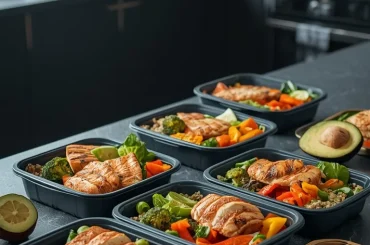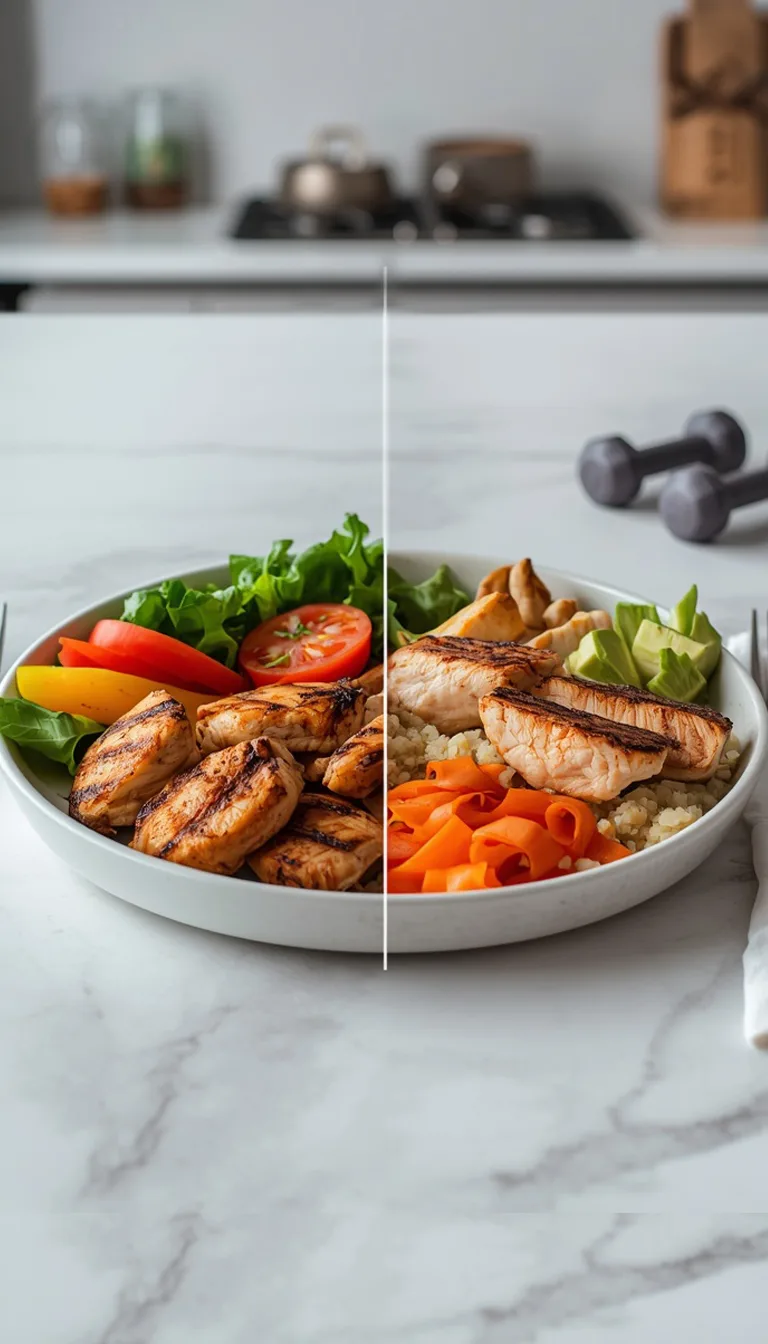
If you are trying to lose body fat, the meals you build every day matter more than any single “fat-loss food.” The most reliable approach is also the least glamorous: build meals around a solid protein source, add plenty of vegetables or fruit, include a sensible portion of carbohydrates, and keep calorie-dense extras like oils, nuts and dressings measured. That combination keeps you full, keeps meals interesting and makes a calorie deficit far easier to sustain.
This guide gives you 20 high-protein meal ideas for Fat loss that follow that formula. Each one includes the ingredients, a short explanation of why it works for fat loss, and an easy adjustment so you can fit the portion to your own needs. You will also find a simple plate formula, a short list of protein sources, and practical meal-planning tips at the end.
If you are still working out how much protein suits you, start with How Much Protein Do You Need a Day? A Simple Guide for Beginners. If you have fallen off track recently, How to Get Back on Track With Healthy Eating is a good companion read.
Why High-Protein Meals Work Well for Fat Loss
Losing body fat generally comes down to managing your overall calorie intake over time. The CDC’s healthy eating guidance for a healthy weight emphasizes nutrient-dense foods such as vegetables, fruits, whole grains and lean protein foods, and the NIDDK’s advice on eating and physical activity to lose or maintain weight points in the same direction: choose foods that give you nutrition without excess calories.
Protein-rich meals fit this approach for a few practical reasons:
- They tend to be satisfying. A meal built around eggs, fish, chicken, yogurt, tofu or beans usually keeps you full longer than a meal made mostly of refined carbohydrates.
- They support muscle while you lose fat. If you are strength training, adequate protein alongside resistance exercise helps you hold on to lean mass as body weight drops. For a simple way to start, see Beginner Strength Training for Women.
- They are easy to build around. Once you have a protein anchor, adding vegetables and a measured carbohydrate becomes almost automatic.
The goal is not to eat as little as possible. It is to eat satisfying, nutrient-dense meals in portions that fit your goal, so the approach is something you can actually keep doing.
The Simple Fat-Loss Plate Formula
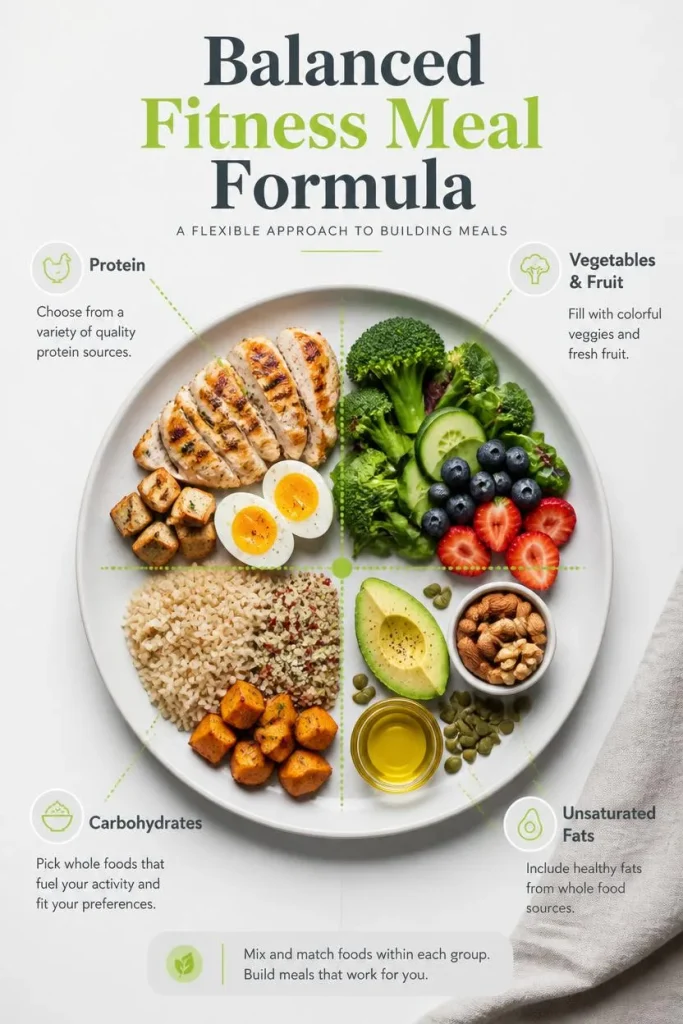
Before the meal ideas, here is the framework every recipe below follows. You can use it to improvise your own meals too.
- Start with protein. Chicken, turkey, fish, eggs, Greek yogurt, cottage cheese, tofu, lean beef, beans or lentils.
- Add volume with vegetables or fruit. Leafy greens, broccoli, peppers, tomatoes, mushrooms, berries. These add fiber and bulk for relatively few calories.
- Include a moderate carbohydrate. Quinoa, brown rice, sweet potato, oats, whole-grain bread or beans. You do not need to eliminate carbohydrates to lose fat; you just need to size the portion to your needs and activity.
- Measure the calorie-dense extras. Olive oil, nuts, seeds, nut butter, avocado and creamy dressings are nutritious but energy-dense, so small measured amounts go a long way.
Portion needs vary a lot with body size, age, activity level and goals, so treat every serving size here as a flexible starting point rather than a prescription.
20 High-Protein Meal Ideas for Fat Loss
Breakfast and Snack Ideas
1. Greek Yogurt Berry Bowl
Combine plain Greek yogurt with fresh berries, chia seeds and a small portion of almonds. It takes about two minutes, works as a breakfast or snack, and delivers protein, fruit, fiber and a little healthy fat.
Ingredients: Plain Greek yogurt, mixed berries, chia seeds, almonds.
Easy adjustment: Keep the almonds to a small measured handful for a lighter version, or stir in a few spoonfuls of oats if you need more energy.
2. Egg and Vegetable Scramble
Soften spinach, mushrooms and tomatoes in a nonstick pan, then add beaten eggs and cook gently. Serve with a slice or two of whole-grain toast. Eggs bring protein and other nutrients, while the vegetables add color, fiber and volume.
Ingredients: Eggs, spinach, mushrooms, tomatoes, whole-grain toast.
Easy adjustment: Use one slice of toast for a lighter breakfast or two if you are training that day.
3. Egg and Avocado Toast
Top whole-grain toast with a sliced or mashed portion of avocado and one or two eggs, then add tomato or cucumber on the side. Avocado and eggs make this more energy-dense than a vegetable-only breakfast, which is fine as long as the portions are sized to your goal.
Ingredients: Whole-grain bread, eggs, avocado, tomato or cucumber.
Easy adjustment: Use about a quarter to half an avocado for fat loss, and add fruit on the side to round out the plate.
4. Cottage Cheese Fruit Bowl
Spoon cottage cheese into a bowl and top with berries or sliced peaches and a teaspoon or two of seeds. It is high in protein, needs no cooking and doubles as a light lunch or an evening snack.
Ingredients: Cottage cheese, berries or other fruit, pumpkin or sunflower seeds.
Easy adjustment: Add a small serving of oats or whole-grain cereal when you want more carbohydrate and staying power.
5. Berry Protein Smoothie
Blend Greek yogurt, a handful of spinach, frozen berries and milk or an unsweetened fortified milk alternative. A smoothie is a practical option when you are short on time and need something quick that still contains real protein.
Ingredients: Greek yogurt, berries, spinach, milk or unsweetened fortified alternative.
Easy adjustment: Keep add-ins like nut butter and banana modest when you are managing calories, and drink it with a spoon-and-chew mindset so it feels like a meal rather than a drink.
Lunch Ideas
6. Grilled Chicken and Quinoa Bowl
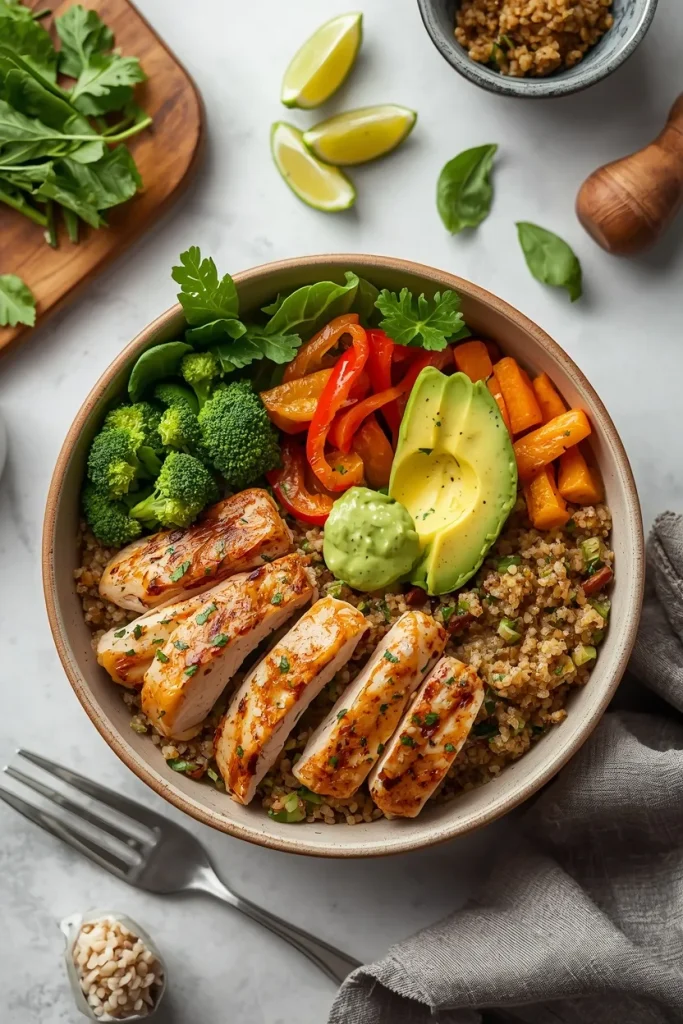
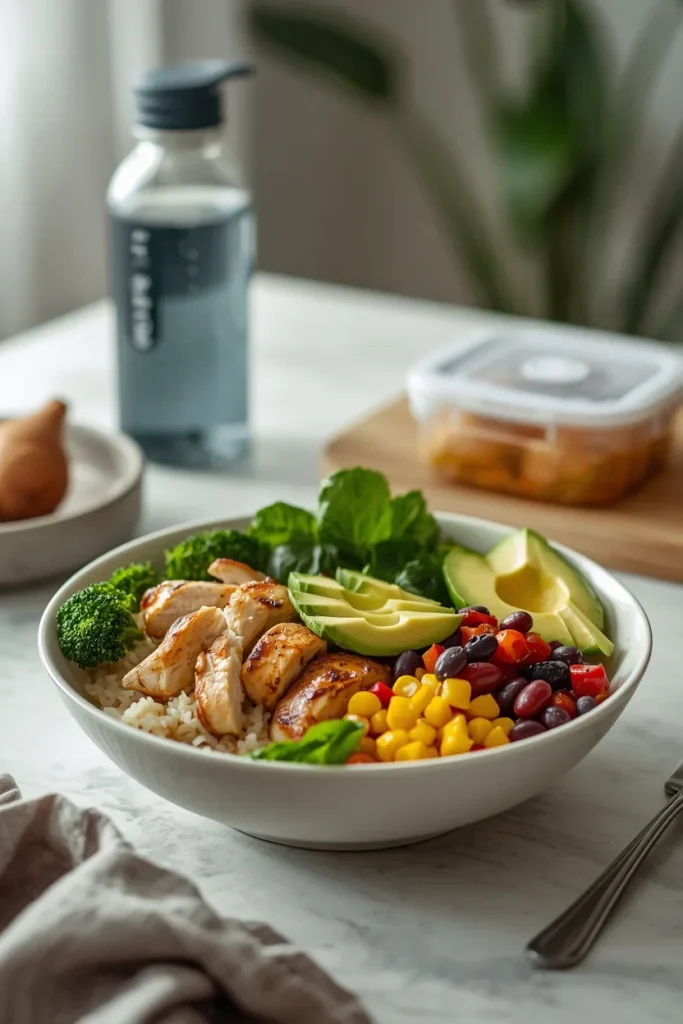
Top cooked quinoa with grilled chicken, roasted broccoli, peppers and carrots, then finish with a teaspoon of olive oil and lemon juice. It is a balanced bowl with protein, carbohydrate and vegetables, and it reheats well.
Ingredients: Chicken breast, quinoa, broccoli, peppers, carrots, olive oil, lemon.
Easy adjustment: Fill half the bowl with vegetables to increase volume without substantially raising the energy density of the meal.
7. Tuna and Avocado Salad
Flake tuna over leafy greens, cucumber and cherry tomatoes, then add a modest amount of sliced avocado. This is a fast, no-cook lunch with protein, vegetables and an unsaturated fat source.
Ingredients: Canned tuna, leafy greens, cucumber, cherry tomatoes, avocado.
Easy adjustment: Choose tuna packed in water for a lower-energy option and measure any dressing or oil.
8. Chicken Garden Salad
Pile a large bowl with mixed greens, cucumber, tomatoes and carrots, then top with sliced grilled chicken. Use a simple vinaigrette or a measured spoonful of olive oil rather than a heavy creamy dressing.
Ingredients: Chicken, mixed greens, cucumber, tomatoes, carrots, vinaigrette.
Easy adjustment: Add a small serving of beans, potatoes or whole grains if a plain salad leaves you hungry an hour later.
9. Salmon Grain Salad
Combine flaked cooked salmon with quinoa, mixed greens, cucumber and tomatoes. Salmon provides protein along with unsaturated fats, and the grains make the meal more filling.
Ingredients: Salmon, quinoa, leafy greens, cucumber, tomatoes, lemon.
Easy adjustment: Add a piece of fruit or extra grains on heavier training days.
10. Tofu Quinoa Power Bowl
Pan-fry or bake cubed tofu until golden, then pile it over quinoa with broccoli, peppers and carrots. Add a few slices of avocado or a sprinkle of seeds for flavor and texture. It is a satisfying plant-based option that holds up well for meal prep.
Ingredients: Firm tofu, quinoa, broccoli, peppers, carrots, avocado or seeds.
Easy adjustment: Increase the tofu for a larger protein portion, or reduce the quinoa if you want a lighter lunch.
11. Chicken Brown Rice Bowl
Layer brown rice with grilled chicken and a generous mix of roasted vegetables. It is one of the easiest meals to batch-cook, and it is easy to portion for several lunches.
Ingredients: Chicken, brown rice, broccoli, carrots, peppers.
Easy adjustment: Reduce or increase the rice depending on your calorie target. Our guide to Meal Prep for Beginners shows how to batch-cook this kind of bowl, and How Long Does Meal Prep Last in the Fridge? covers safe storage.
12. Lentil and Vegetable Soup with Yogurt
Simmer red or brown lentils with carrots, celery, onion and tomatoes, then finish with a spoonful of plain Greek yogurt. Lentils offer plant protein and fiber, and soup is a naturally high-volume way to eat.
Ingredients: Lentils, carrots, celery, onion, tomatoes, spices, Greek yogurt.
Easy adjustment: Add shredded chicken or a boiled egg if you want an extra protein boost.
Dinner Ideas
13. Salmon, Sweet Potato and Greens
Bake salmon alongside cubes of sweet potato, then serve with steamed green beans or broccoli and a handful of leafy greens. This plate provides protein, carbohydrate, fiber and unsaturated fats.
Ingredients: Salmon, sweet potato, broccoli or green beans, leafy greens.
Easy adjustment: Adjust the sweet potato and the cooking oil to match your calorie needs rather than cutting carbohydrates out completely.
14. Turkey and Vegetable Bowl
Brown lean ground turkey with onion, zucchini, peppers and spices, then serve over a modest scoop of brown rice or quinoa. It is quick, flexible and easy to season in different ways.
Ingredients: Lean turkey, zucchini, peppers, onion, brown rice or quinoa.
Easy adjustment: Scale the grain portion up or down based on your activity level.
15. Chicken Sweet Potato Plate
Roast chicken thighs or breasts with sweet potato wedges and a big tray of mixed vegetables. Everything cooks on one pan, which keeps cleanup short and portions easy to see.
Ingredients: Chicken, sweet potato, mixed vegetables, herbs.
Easy adjustment: Change the sweet potato portion rather than eliminating the carbohydrate entirely.
16. Lean Beef Vegetable Plate
Sear lean beef strips or a small steak and serve with roasted vegetables and a moderate portion of whole-grain carbohydrate such as brown rice or quinoa.
Ingredients: Lean beef, roasted vegetables, brown rice or quinoa.
Easy adjustment: Choose a leaner cut and measure added oils and sauces, which can quietly add a lot of calories.
17. Turkey Chili with Beans
Simmer lean turkey with kidney beans, tomatoes, onions and chili spices. Beans add fiber and plant protein, and a big pot gives you several portions to freeze or refrigerate.
Ingredients: Lean turkey, kidney beans, tomatoes, onion, peppers, chili spices.
Easy adjustment: Serve with a side salad or steamed vegetables to add volume. For more family-friendly ideas in this style, browse 10 Easy High-Protein Family Dinners for Busy Weeknights.
18. Baked Cod with Roasted Vegetables and Potatoes
Bake cod with lemon and herbs, then serve with roasted vegetables and a small portion of baby potatoes. White fish is lean and mild, so it takes on whatever flavors you add.
Ingredients: Cod or another white fish, lemon, herbs, mixed vegetables, baby potatoes.
Easy adjustment: Add a side of beans or a yogurt-based sauce if you need more protein or energy.
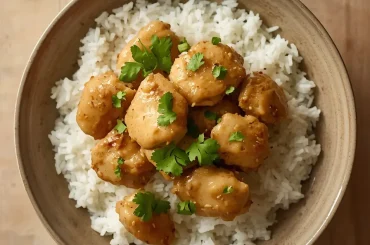
19. Chicken Stir-Fry with Brown Rice
Stir-fry sliced chicken with broccoli, snap peas, peppers and a splash of low-sodium soy sauce and ginger, then serve over brown rice. Use a small measured amount of oil and let the vegetables do most of the work.
Ingredients: Chicken, broccoli, snap peas, peppers, ginger, low-sodium soy sauce, brown rice.
Easy adjustment: Pile on extra vegetables and keep the rice portion moderate.
20. Shrimp and Vegetable Skillet
Sauté shrimp with garlic, zucchini, tomatoes and spinach for a quick dinner that takes about ten minutes. Serve with a small portion of quinoa or whole-grain bread.
Ingredients: Shrimp, garlic, zucchini, tomatoes, spinach, quinoa or whole-grain bread.
Easy adjustment: Use a teaspoon of olive oil for cooking and finish with lemon rather than butter or cream.
Protein Sources to Rotate Through the Week
Variety makes eating this way far easier to maintain. Rotate through a mix of animal and plant options:
- Poultry: chicken, turkey
- Fish and seafood: salmon, tuna, cod, shrimp
- Eggs and dairy: eggs, Greek yogurt, cottage cheese
- Plant proteins: tofu, beans, lentils, peas
- Red meat: lean beef, in moderate portions
- Nuts and seeds: useful additions, but energy-dense, so measure them
The CDC’s tips for healthier meals and snacks are a useful reference for building meals around a mix of food groups, and our Nutrition & Healthy Eating category has more ideas when you want to expand your rotation.
How to Adjust Any Meal for Your Own Needs
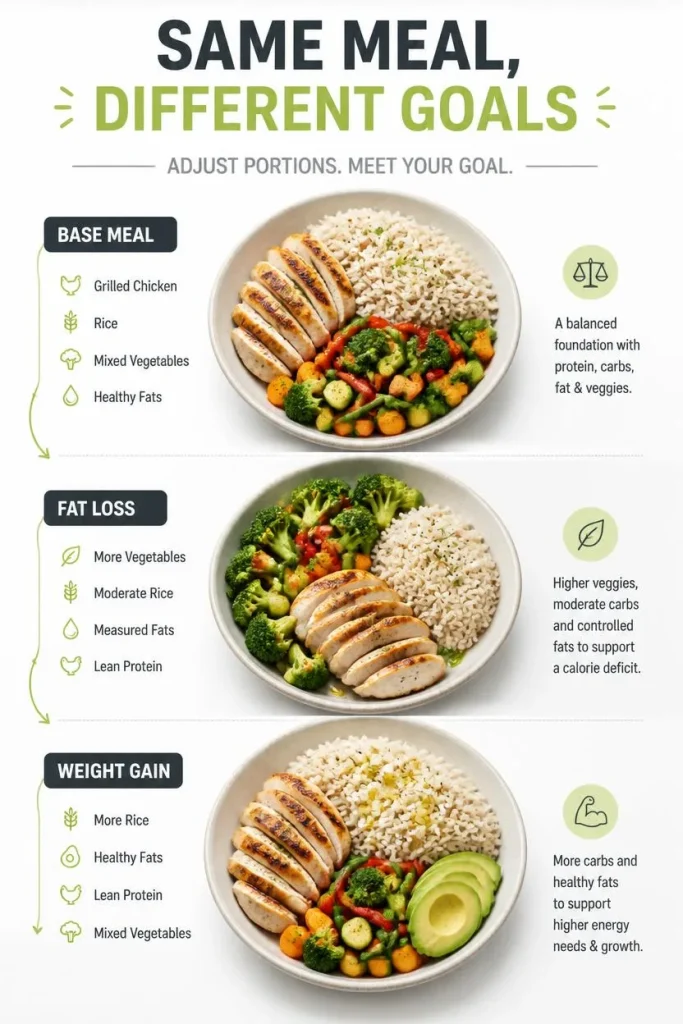
One meal can serve different needs just by changing portions. To make a meal more filling for fat loss:
- Increase non-starchy vegetables first.
- Keep a clear protein portion at every meal.
- Choose a moderate portion of rice, potatoes, oats or pasta.
- Measure oils, nuts, nut butter, avocado and dressings.
- Drink water or other low-calorie beverages more often than sugary drinks.
If you feel hungry soon after eating, do not immediately cut more food. Check whether the meal included enough protein and fiber, whether you ate quickly, and whether you slept well, since all of these affect appetite.
Meal Planning Tips That Make This Easier
Good meals only help if you actually eat them. A few habits make the difference:
- Plan a few anchor meals. Choose three or four meals from the list, shop for them once, and repeat them through the week.
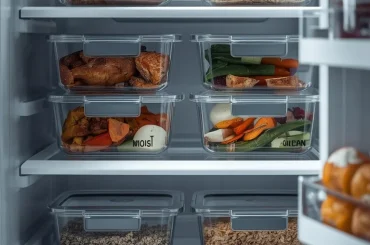
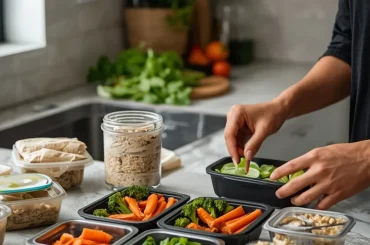
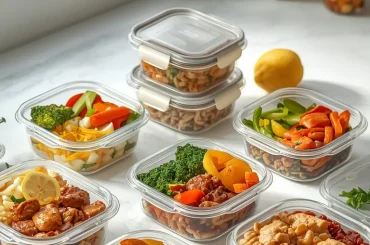
- Batch-cook flexible ingredients. Cook a tray of chicken, a pot of rice or quinoa and a few trays of roasted vegetables, then mix and match them into bowls, salads and wraps.
- Keep fast options on hand. Eggs, Greek yogurt, canned tuna, frozen vegetables, beans and oats make a decent meal in minutes.
- Use leftovers on purpose. Leftover grilled chicken becomes a rice bowl, a salad or a wrap the next day.
- Know roughly what you need. You do not have to count calories forever, but a rough estimate of your needs helps you judge whether your portions are working. The NIDDK Body Weight Planner can help you estimate calorie and activity targets, and the NIDDK’s health tips for adults offer practical habit ideas.
- Be patient with the scale. Body weight fluctuates day to day because of hydration, food volume and other factors, so judge progress by weekly and monthly trends.
If you would like a structured way to build consistency, try the 30-Day Fat-Loss Habit Tracker for Beginners, and read How to Lose Weight Without Extreme Dieting for a realistic big-picture approach.
A Quick Note on Individual Needs
Calorie and nutrient needs differ from person to person. Age, body size, activity level, medications and medical conditions can all change what is appropriate. The meals in this article are examples, not individualized nutrition prescriptions. If you have a medical condition, a history of disordered eating, are pregnant or breastfeeding, or need a specific nutrition plan, speak with a qualified healthcare professional or registered dietitian. You can also read our Health & Fitness Disclaimer.
The Bottom Line
Fat loss does not require bland, tiny meals. Build each plate around a protein source, add vegetables or fruit for volume, include a moderate carbohydrate, and keep calorie-dense extras measured. Choose a handful of meals from this list that you genuinely enjoy, prep a few ingredients ahead, and repeat them. Consistency over weeks matters far more than any single perfect meal.