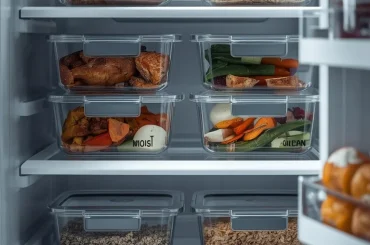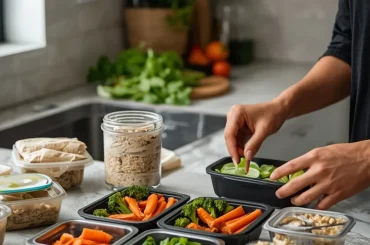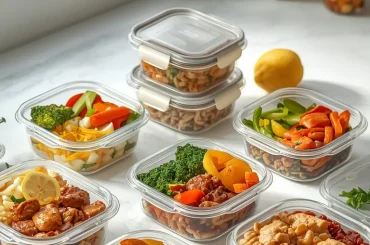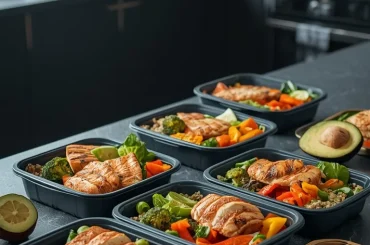
Eating well during a busy week does not have to mean spending money on takeout every day. With a few affordable ingredients, simple seasonings, and a little preparation, you can make satisfying meals at home that are easy to pack, store, and reheat.
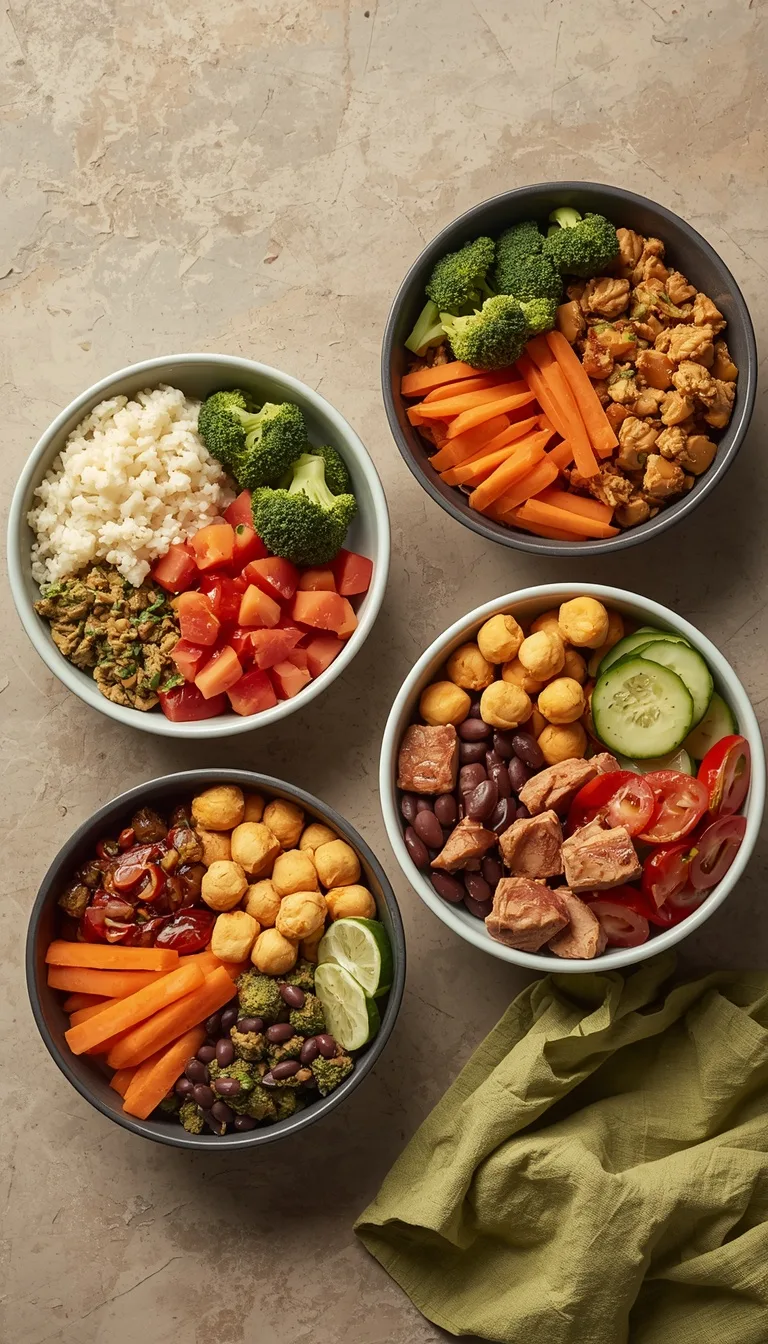
These four budget-friendly high-protein meal prep bowls combine familiar ingredients with flavorful sauces, vegetables, and filling carbohydrates. Choose lemon-herb chicken, taco-inspired turkey and beans, peanut tofu, or a Mediterranean tuna and chickpea bowl to add variety to your weekly menu.
Each recipe includes measured ingredients, step-by-step cooking instructions, approximate protein estimates, substitutions, and storage advice. The recipes are designed for two servings, so you can prepare lunch for two people or save one portion for another day.
The most useful money-saving strategy is to reuse ingredients across recipes. Rice, beans, onions, garlic, frozen vegetables, and basic seasonings can help you prepare different meals without buying a long list of specialty products.
Why Make High-Protein Meal Prep Bowls?
Meal prep bowls offer a convenient way to combine protein foods, vegetables, and grains in one meal. Preparing them in advance can also make busy weekdays easier because the main cooking is already done.
Protein can come from many sources, including poultry, fish, eggs, beans, lentils, tofu, nuts, and seeds. The USDA’s Protein Foods guidance recommends variety across protein foods rather than relying on only one source.
These recipes include both animal and plant-based options, so you can choose meals that suit your preferences and available ingredients.
How to Keep Meal Prep Affordable
- Use ingredients more than once. Cook a larger batch of rice and reuse onions, garlic, and seasonings across recipes.
- Choose frozen vegetables when practical. They are convenient, reduce chopping, and can help limit food waste.
- Use canned beans and chickpeas. They are convenient pantry staples. Drain and rinse them before use if you want to reduce some of the added sodium.
- Compare protein sources by price. Chicken, eggs, beans, tofu, canned tuna, and other locally available options can all fit into a budget-conscious meal plan.
- Keep sauces simple. Lemon juice, yogurt, soy sauce, garlic, and peanut butter can create very different flavors without requiring multiple bottled sauces.
For more practical ideas, see FitVibe’s guide to getting back on track with healthy eating.
Recipe 1: Lemon-Herb Chicken and Rice Bowl
Prep time: 10 minutes
Cook time: 20–25 minutes
Total time: Approximately 30–35 minutes
Yield: 2 servings
Estimated protein: Approximately 35–45 grams per serving
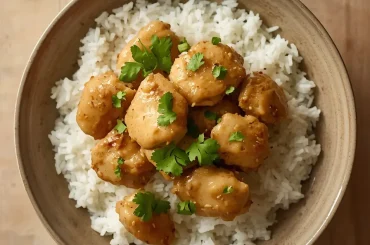
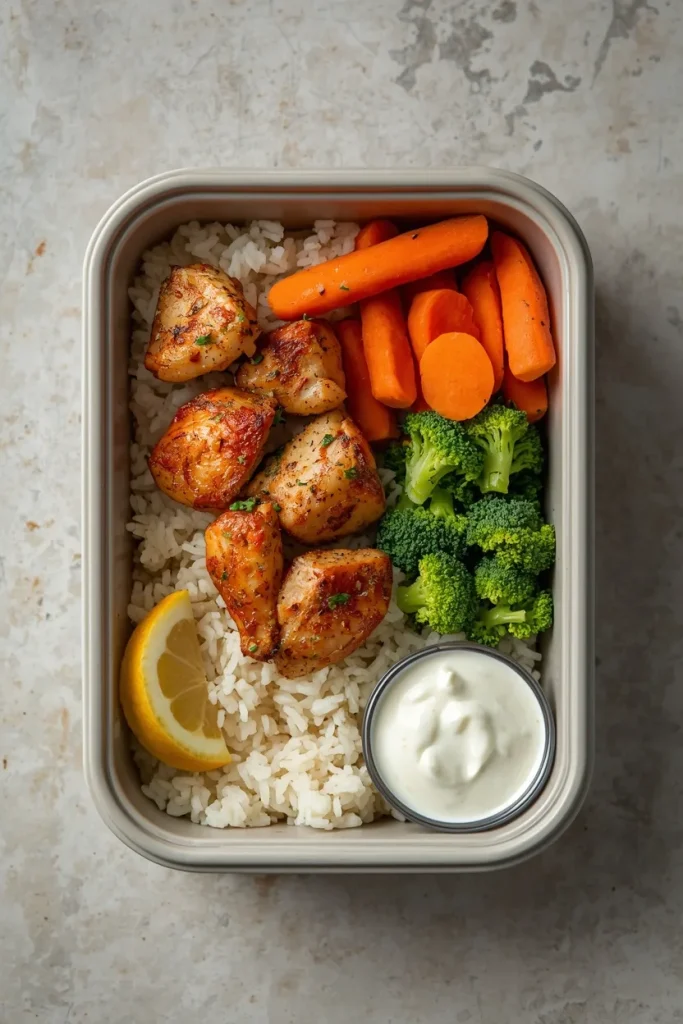
This bowl combines seasoned chicken, rice, and colorful vegetables with a bright lemon-garlic flavor. It works well for people who want a straightforward meal that can be prepared with common ingredients.
Ingredients
For the bowls:
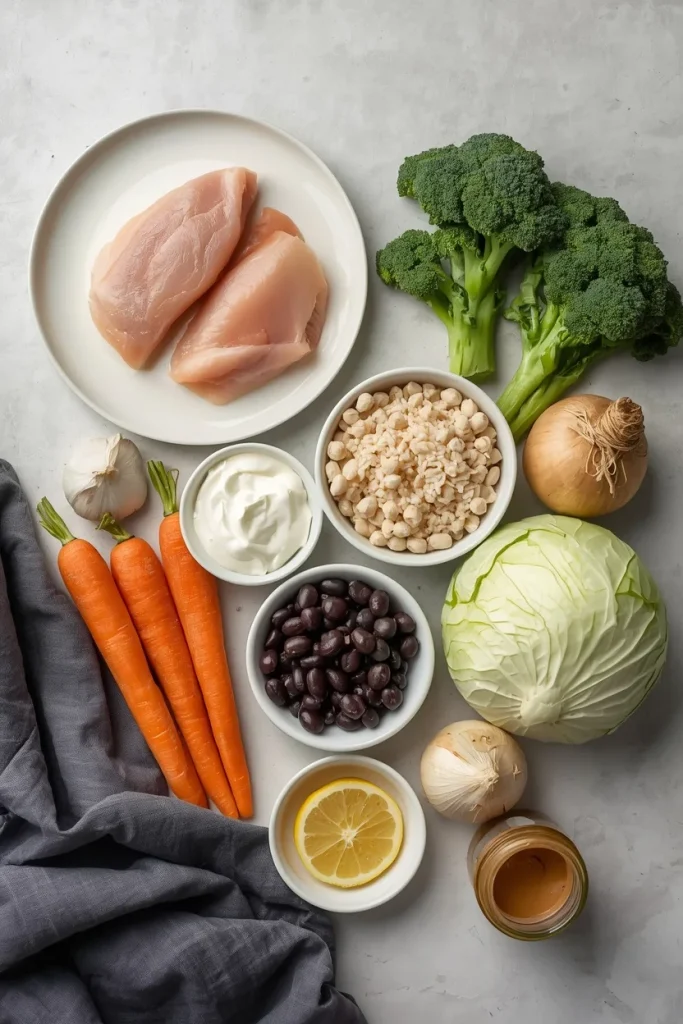
- 300 g boneless, skinless chicken breast
- 120 g uncooked rice, approximately ⅔ cup depending on the rice variety
- 200 g broccoli florets, fresh or frozen
- 1 medium carrot, sliced
- 1 tablespoon olive oil, divided
- 2 garlic cloves, minced
- 1 tablespoon lemon juice
- ½ teaspoon paprika
- ½ teaspoon dried oregano
- ¼ teaspoon ground black pepper
- Salt, to taste
- Water, according to the rice package instructions
For the optional yogurt sauce:
- 60 g plain yogurt
- 1 teaspoon lemon juice
- A small pinch of black pepper
- A little water to thin, if needed
Instructions
- Cook the rice. Rinse the rice if appropriate for the variety. Cook according to the package directions, then let it rest covered for a few minutes before fluffing with a fork.
- Season the chicken. Cut the chicken into evenly sized pieces. Mix with half the olive oil, garlic, lemon juice, paprika, oregano, black pepper, and a little salt.
- Cook the chicken. Heat a nonstick skillet over medium heat. Add the chicken in a single layer and cook, turning as needed, until browned and fully cooked. Use a food thermometer to check that the thickest pieces reach 74°C (165°F).
- Cook the vegetables. In another pan, or after removing the chicken from the skillet, heat the remaining oil. Add the carrot and broccoli with a splash of water. Cook until tender but not mushy. Season lightly.
- Make the optional sauce. Stir together the yogurt, lemon juice, and black pepper. Add a little water if you prefer a thinner consistency.
- Assemble the bowls. Divide the cooked rice, chicken, and vegetables between two meal prep containers. Keep the sauce in a separate small container if possible.
How to Make It Taste Better
Avoid overcrowding the skillet because the chicken may steam instead of browning. If necessary, cook it in batches. Add a little extra lemon juice after cooking for a fresher flavor.
If broccoli is expensive or unavailable, use cabbage, green beans, carrots, or another suitable vegetable. Frozen broccoli is also a convenient alternative.
Budget-Friendly Substitutions
- Replace some of the chicken with cooked lentils or beans to stretch the protein portion.
- Use brown rice, white rice, or another grain already in your pantry.
- Substitute dried Italian herbs for oregano.
- Skip the yogurt sauce if you want fewer ingredients; lemon juice and garlic still provide plenty of flavor.
Storage and Reheating
Refrigerate the bowls promptly in shallow, airtight containers. Store the sauce separately. For food safety, the USDA recommends using refrigerated leftovers within three to four days and reheating them to 74°C (165°F). See the USDA’s leftover food safety guidance.
Reheat the chicken, rice, and vegetables until thoroughly hot. Add the yogurt sauce after reheating.
Recipe 2: Turkey Taco and Black Bean Rice Bowl
Prep time: 10 minutes
Cook time: 20 minutes
Total time: Approximately 30 minutes
Yield: 2 servings
Estimated protein: Approximately 30–40 grams per serving
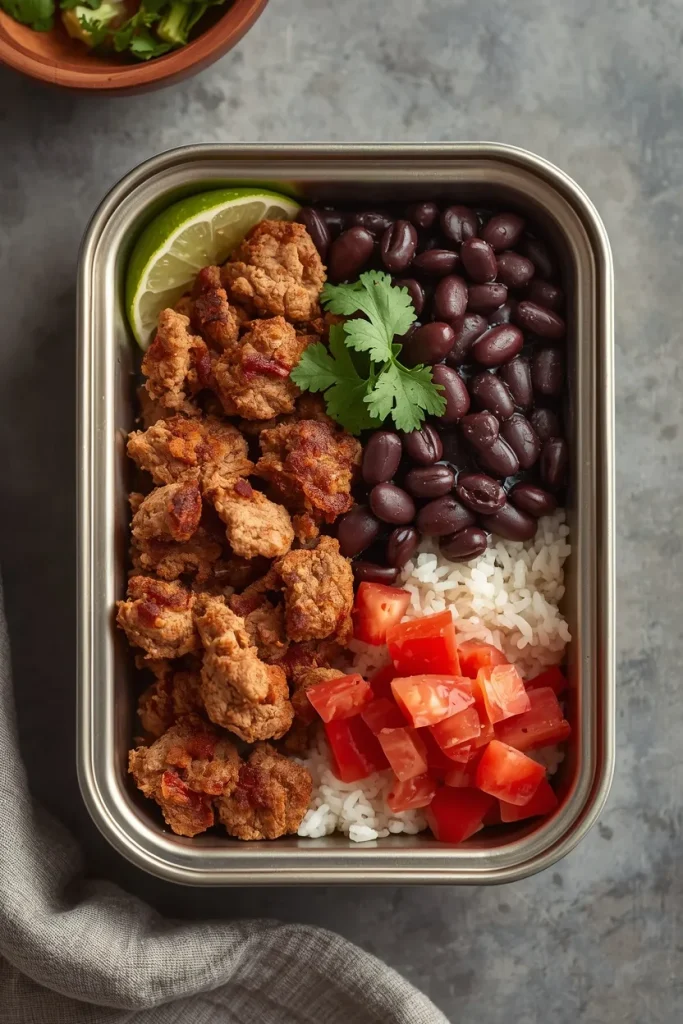
If you enjoy the flavor of taco fillings, this bowl offers a simple way to bring those flavors into a meal-prep lunch. Lean ground turkey, black beans, rice, and a quick tomato topping provide a satisfying combination of protein, carbohydrates, and fiber.
Black beans also help stretch the meat, which can make the recipe more economical than a bowl made entirely with meat.
Ingredients
For the bowls:
- 250 g lean ground turkey
- 1 cup cooked black beans, drained and rinsed
- 120 g uncooked rice, approximately ⅔ cup depending on variety
- 1 small onion, finely chopped
- 1 medium tomato, diced
- 1 tablespoon olive oil
- 1 teaspoon paprika
- 1 teaspoon ground cumin
- ½ teaspoon garlic powder, or 1 minced garlic clove
- ¼ teaspoon black pepper
- Salt, to taste
- 2 tablespoons water, as needed
- Lime or lemon wedges, optional
For an optional topping:
- 60 g plain yogurt
- A little lime or lemon juice
- Chopped coriander or cilantro, if available
Instructions
- Cook the rice. Prepare the rice according to the package directions and set it aside.
- Soften the onion. Heat the olive oil in a skillet over medium heat. Add the chopped onion and cook for three to four minutes until softened.
- Brown the turkey. Add the ground turkey and break it into small pieces with a wooden spoon. Cook until no pink remains and the meat reaches a safe internal temperature of 74°C (165°F).
- Add the seasonings. Stir in the paprika, cumin, garlic, black pepper, and a little salt. Add a splash of water if the mixture looks dry.
- Add the beans. Stir in the black beans and cook for another three to four minutes until heated through. Taste and adjust the seasoning.
- Prepare the tomato topping. Mix the diced tomato with a squeeze of lime or lemon juice. Add chopped coriander if you have it.
- Assemble the bowls. Divide the rice between two containers, then add the turkey and bean mixture. Store the tomato topping separately to help maintain its fresh texture.
- Add the optional yogurt sauce. Mix the yogurt with citrus juice and chopped coriander, if using. Pack it separately and add it after reheating.
Flavor and Texture Tips
Let the turkey brown before adding the beans. Browning creates a deeper flavor, while adding a little water later helps the spices coat the meat evenly.
If you prefer a spicier bowl, add chili flakes or a small amount of chopped chili. For a milder version, reduce the cumin and omit the chili.
Budget-Friendly Substitutions
- Replace turkey with lean ground chicken, if less expensive where you shop.
- Use kidney beans or another cooked bean instead of black beans.
- Use canned tomatoes if fresh tomatoes are costly.
- Replace part of the meat with extra beans for a more plant-forward bowl.
- Serve with leftover rice rather than cooking a new batch.
Storage and Reheating
Keep the cooked rice and turkey mixture refrigerated in airtight containers and use within three to four days. Refrigerate the fresh tomato topping separately.
Reheat the cooked portion until it reaches 74°C (165°F). Add the tomato topping and yogurt sauce after reheating for a fresher finish.
Recipe 3: Peanut-Garlic Tofu and Vegetable Bowl
Prep time: 15 minutes
Cook time: 20–25 minutes
Total time: Approximately 35–40 minutes
Yield: 2 servings
Estimated protein: Approximately 25–35 grams per serving
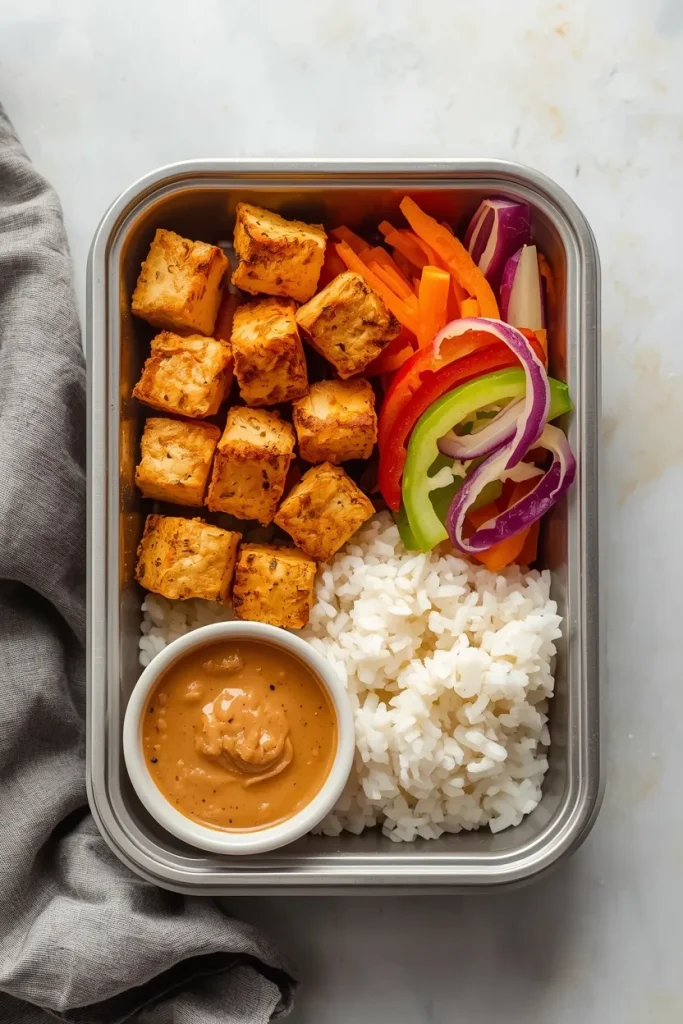
This plant-based bowl combines tofu, rice, vegetables, and a creamy peanut-garlic sauce. It offers a different flavor profile from the first two recipes and can be useful when you want to reduce your reliance on meat.
Tofu provides protein, while peanut butter adds richness to the sauce. Choose firm or extra-firm tofu if you want pieces that hold their shape during cooking.
Ingredients
For the bowls:
- 300 g firm tofu, drained
- 120 g uncooked rice, approximately ⅔ cup depending on variety
- 250 g mixed vegetables, such as cabbage, carrots, and bell peppers
- 1 teaspoon oil
- 1 garlic clove, minced
- 1 tablespoon soy sauce, divided
- Black pepper, to taste
For the peanut-garlic sauce:
- 2 tablespoons peanut butter
- 1 tablespoon soy sauce
- 1 tablespoon lime or lemon juice
- 1 small garlic clove, finely grated or minced
- 2–4 tablespoons warm water, as needed
- Chili flakes, optional
Instructions
- Prepare the tofu. Drain the tofu and pat it dry with a clean kitchen towel or paper towels. Cut it into bite-sized cubes.
- Cook the rice. Prepare the rice according to the package instructions. Set aside while you cook the tofu and vegetables.
- Brown the tofu. Heat the oil in a nonstick skillet over medium heat. Add the tofu in a single layer and cook, turning the pieces occasionally, until several sides are golden.
- Season the tofu. Add half the soy sauce and the minced garlic. Toss carefully and cook for another minute, taking care not to burn the garlic.
- Cook the vegetables. Add the mixed vegetables to the skillet. Stir-fry until tender-crisp. If the pan becomes dry, add one or two tablespoons of water rather than adding more oil immediately.
- Mix the sauce. In a small bowl, stir together the peanut butter, remaining soy sauce, citrus juice, garlic, and warm water. Add the water gradually until the sauce is smooth and pourable. Add chili flakes if desired.
- Assemble the bowls. Divide the rice, tofu, and vegetables between two containers. Store the peanut sauce separately and add it after reheating.
How to Improve the Flavor
Drying the tofu before cooking helps it brown more effectively. Give the pieces room in the pan and turn them only after a surface has developed some color.
The sauce should be thick enough to coat the tofu but thin enough to mix easily. If it becomes too thick, add warm water a little at a time.
For extra texture, add a small sprinkle of sesame seeds or chopped peanuts just before eating. These are optional additions, not essential ingredients.
Budget-Friendly Substitutions
- Use cabbage and carrots as the main vegetables when bell peppers are expensive.
- Replace rice with noodles or another grain you already have.
- Use sunflower seed butter if peanut butter is unsuitable, checking the product label for allergens.
- Add cooked edamame or beans if you want to increase the protein content and they are affordable locally.
If you enjoy experimenting with affordable protein sources, FitVibe’s article on protein-rich nuts can provide additional ideas for snacks and meal add-ons.
Storage and Reheating
Refrigerate the tofu, rice, and vegetables in airtight containers. Keep the sauce in a separate sealed container. Use refrigerated leftovers within three to four days.
Reheat the tofu, rice, and vegetables until thoroughly hot. Stir the sauce before serving and add a small splash of water if it has thickened in the refrigerator.
Recipe 4: Mediterranean Tuna and Chickpea Bowl
Prep time: 15 minutes
Cook time: 15 minutes if cooking rice from scratch
Total time: Approximately 15–25 minutes, depending on the rice
Yield: 2 servings
Estimated protein: Approximately 25–35 grams per serving
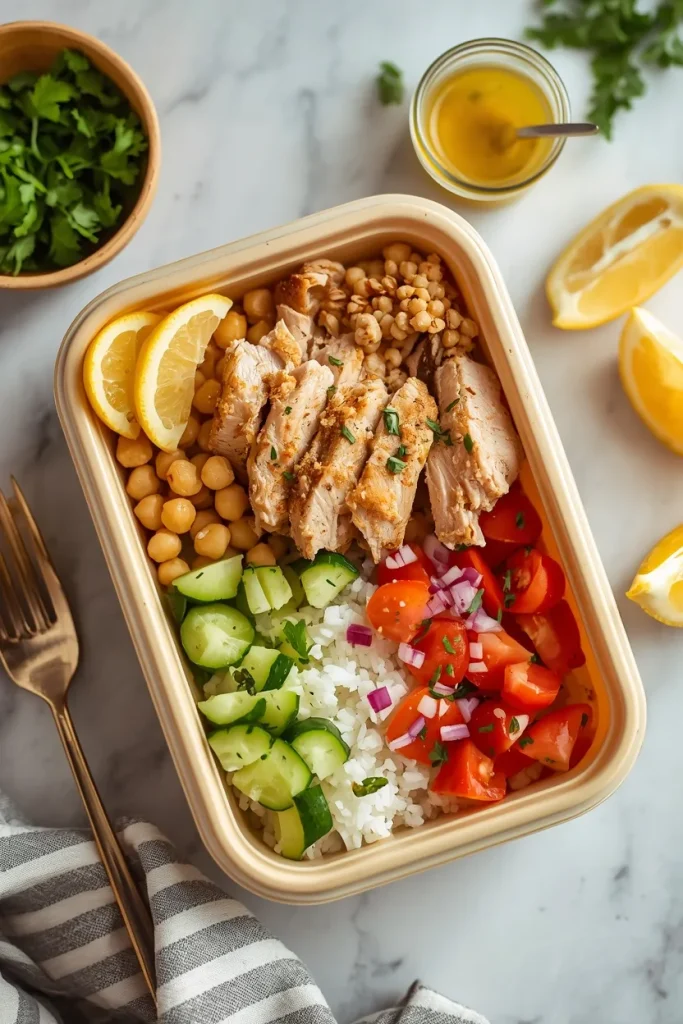
This bowl is a convenient option for days when you want less cooking. Canned tuna and chickpeas provide the main protein sources, while cucumber, tomato, lemon, and herbs give the bowl a fresh Mediterranean-inspired flavor.
Because the tuna and chickpeas are already cooked, the main task is preparing the grain and chopping the vegetables.
Ingredients
For the bowls:
- 1 can tuna in water or brine, approximately 120–150 g drained
- 1 cup cooked chickpeas, drained and rinsed
- 120 g uncooked rice, approximately ⅔ cup depending on variety, or about 1½–2 cups cooked rice
- 1 medium cucumber, diced
- 1 medium tomato, diced
- ¼ small red onion, finely chopped
- 1 tablespoon olive oil
- 1½ tablespoons lemon juice
- ½ teaspoon dried oregano
- Black pepper, to taste
- Salt, if needed
- Chopped parsley or coriander, optional
Instructions
- Cook the rice. Prepare the rice according to the package directions. If you already have safely stored cooked rice, you can use it instead.
- Prepare the tuna. Drain the tuna thoroughly and place it in a bowl. Flake it with a fork.
- Prepare the chickpeas. Drain and rinse the chickpeas. Let excess water drain away before adding them to the bowl.
- Chop the vegetables. Dice the cucumber and tomato, then finely chop the onion. If raw onion tastes too strong, use a smaller amount.
- Make the dressing. Whisk together the olive oil, lemon juice, oregano, and black pepper. Taste before adding salt because canned tuna can already contain sodium.
- Combine the tuna mixture. Gently mix the tuna, chickpeas, and dressing.
- Pack the bowls. Divide the rice between two containers. Pack the tuna and chickpea mixture separately from the chopped vegetables where possible, especially if you prefer crisp cucumber.
- Finish before serving. Add the vegetables to the bowl and toss everything together. A fresh squeeze of lemon can brighten the flavor.
How to Keep It Fresh
This recipe is different from the cooked chicken and tofu bowls because its vegetables are best kept crisp. For a better texture, store the cucumber and tomato separately and combine them shortly before eating.
If you are packing the bowl for work or travel, keep it properly chilled until serving. Use an insulated lunch bag with cold packs if a refrigerator is not available.
Budget-Friendly Substitutions
- Use white beans instead of chickpeas.
- Replace cucumber with finely shredded cabbage.
- Use leftover cooked grains if they have been stored safely.
- Replace fresh herbs with dried oregano.
- Choose canned tuna based on price, availability, and your preferences.
Storage and Reheating
This bowl is intended to be eaten cold or at a cool temperature, so it does not need reheating. Keep it refrigerated in a sealed container and follow safe leftover storage guidance. For best texture, add the chopped vegetables and dressing close to serving time.
Do not leave the tuna mixture at room temperature for extended periods. The USDA advises refrigerating perishable food within two hours, or within one hour when the surrounding temperature is above 32°C (90°F). See the USDA’s food safety recommendations.
Approximate Protein Comparison
Protein estimates vary with the brand, exact ingredient weights, drained weights, and whether the ingredients are measured raw or cooked. Use the figures below as planning estimates rather than laboratory-tested nutrition values.
| Meal prep bowl | Estimated protein per serving |
|---|---|
| Lemon-herb chicken and rice | 35–45 g |
| Turkey taco and black bean | 30–40 g |
| Peanut-garlic tofu and vegetables | 25–35 g |
| Mediterranean tuna and chickpea | 25–35 g |
For publication, calculate the final nutrition information from the exact recipe quantities and the specific products used. The USDA FoodData Central database is a useful reference for checking the nutrient profiles of common ingredients.
These meals do not need to contain identical amounts of protein to be useful. Your overall needs depend on factors such as body size, age, activity level, and personal health circumstances.
A Simple Meal Prep Plan for the Week
You do not have to cook all four recipes on the same day. Preparing too much food at once can also make the process feel more difficult than it needs to be.
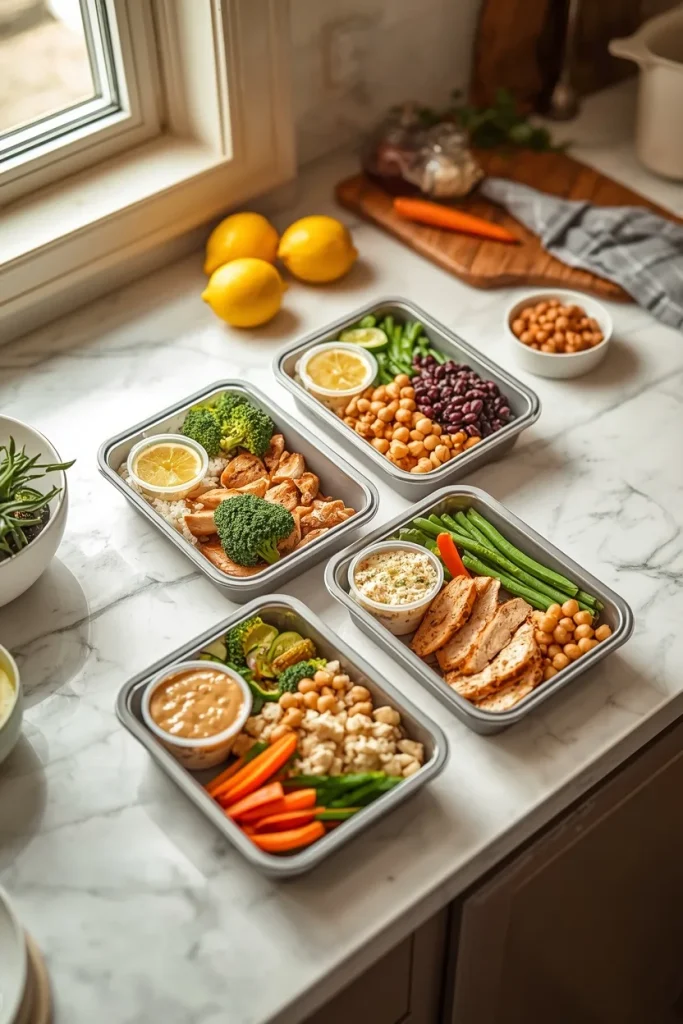
Try this simple approach:
Step 1: Check Your Pantry
Before shopping, check whether you already have rice, canned beans, chickpeas, peanut butter, oil, spices, and other pantry staples.
Step 2: Choose Two Recipes
Start with two bowls for the week rather than preparing all four. For example, make chicken bowls for two meals and tofu bowls for two more. This keeps the cooking session manageable and helps you learn which recipes you enjoy most.
Step 3: Prepare Shared Ingredients
Cook the rice, chop the vegetables, and measure out the seasonings. Keep raw poultry separate from ready-to-eat ingredients and wash hands, utensils, and surfaces after handling raw chicken or turkey.
Step 4: Cook and Portion
Cook each recipe fully, then divide it into individual portions. Use shallow containers so the food cools more quickly.
Step 5: Refrigerate or Freeze
Refrigerate portions you expect to eat within three to four days. Freeze additional cooked portions promptly if you want to keep them longer. Thaw frozen meals safely in the refrigerator or use another USDA-recommended method.
Step 6: Add Sauces at Serving Time
Keeping yogurt dressing, peanut sauce, and fresh toppings separate can help preserve flavor and texture.
How to Store and Reheat Meal Prep Bowls Safely
Meal prep is only useful if the food remains safe to eat. Follow these basic practices:
- Refrigerate cooked food promptly rather than leaving it on the counter to cool for hours.
- Use clean, shallow containers to help food cool quickly.
- Keep the refrigerator at 4°C (40°F) or below.
- Use most cooked leftovers within three to four days or freeze them for longer storage.
- Reheat leftovers to 74°C (165°F), checking with a food thermometer when possible.
- When microwaving, cover the food, stir or rotate it where appropriate, and check for cold spots.
- Keep tuna bowls and other perishable cold meals chilled until serving.
These recommendations are based on the USDA’s Leftovers and Food Safety guidance. If food has been stored unsafely, reheating it is not a reliable way to make it safe.
Frequently Asked Questions
What is the cheapest high-protein meal prep?
The cheapest option depends on local prices, portion sizes, and what you already have at home. Beans, lentils, eggs, tofu, canned fish, and chicken can all be useful protein sources. Compare the cost of a complete meal rather than judging by the price of one ingredient alone.
Can I meal prep these bowls for five days?
It is better to refrigerate only the portions you plan to eat within three to four days. Freeze additional portions promptly and thaw them safely when needed. The tuna bowl is best prepared closer to the day you plan to eat it so its fresh vegetables retain their texture.
Can I use frozen vegetables?
Yes. Frozen broccoli, mixed vegetables, green beans, and other suitable options can be convenient and budget-friendly. Cook them according to the package instructions and avoid adding excessive water if you want to prevent a watery bowl.
How can I increase the protein in a meal prep bowl?
You can adjust the portion of chicken, turkey, tofu, tuna, beans, or chickpeas. You can also add foods such as edamame or plain yogurt where they fit the recipe. Recalculate the nutrition estimate whenever you change the ingredients or quantities.
Are these bowls suitable for weight management?
They can be part of a balanced eating routine, but no single meal guarantees weight loss. Overall food intake, activity, preferences, and consistency matter. Choose portions that suit your needs and include a variety of vegetables, protein foods, and carbohydrates.
Do I need expensive meal prep containers?
No. Clean, food-safe containers with secure lids are sufficient. Glass containers are reusable, while suitable plastic containers may be lighter to carry. Check that the container is appropriate for the way you intend to heat the food.
Can I change the rice to another carbohydrate?
Yes. You can substitute rice with potatoes, whole-wheat pasta, quinoa, or another grain you enjoy. Cooking time and serving size will vary, so adjust the recipe accordingly.
Final Thoughts
Budget-friendly meal prep works best when recipes are simple, flexible, and enjoyable enough to repeat. These four bowls offer different flavors and protein sources while sharing ingredients that can help reduce shopping complexity.
Start with one or two recipes, check prices at your usual grocery store, and use ingredients you already have whenever possible. Keep your portions safely stored, add sauces at the right time, and adjust the recipes to suit your tastes.
The goal is not to make every meal perfect. It is to make satisfying, practical food easier to reach for when the week gets busy.