Losing weight does not require eliminating entire food groups, surviving on tiny meals, or following a rigid diet that makes everyday life miserable. For most busy adults, a better approach is to create a manageable calorie deficit while building eating, activity, sleep, and routine habits that you can realistically maintain.
The goal is not to eat as little as possible. It is to find a way of eating and moving that supports gradual fat loss while still giving you enough energy to work, exercise, socialize, and enjoy food.
Healthy weight management is influenced by nutrition, physical activity, sleep, stress, medications, medical conditions, genetics, environment, and other factors.
Sustainable weight loss is less about following a highly restrictive plan and more about building eating and activity habits that you can maintain. If your eating habits have recently become inconsistent, our guide on getting back on track with healthy eating offers practical steps for rebuilding consistency.
Quick Answer: How Can You Lose Weight Without Extreme Dieting?
Focus on a few high-impact habits rather than trying to overhaul everything at once:
- Eat slightly fewer calories without drastically restricting food.
- Build meals around protein, vegetables, fruit, and high-fiber carbohydrate sources.
- Control portions of calorie-dense foods rather than banning them.
- Strength train regularly and add enjoyable cardio or daily movement.
- Make your normal meals healthier instead of relying on “diet foods.”
- Plan simple meals and snacks before hunger makes the decision for you.
- Sleep adequately and manage stress as part of the overall plan.
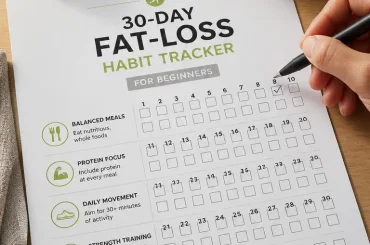
- Track progress using useful measures rather than judging yourself by a single weigh-in.
- Expect occasional setbacks and return to your routine instead of starting over.
Gradual, steady weight loss is generally more sustainable than trying to lose weight as quickly as possible. The CDC describes about 1–2 pounds per week as a gradual pace for people who are losing weight.
1. Stop Thinking of Weight Loss as a Short-Term Diet
One of the biggest problems with extreme dieting is that it often creates rules that are difficult to live with.
A plan might tell you to:
- eliminate carbohydrates
- skip meals
- eat only a small selection of foods
- avoid eating after a certain hour
- completely eliminate treats
- exercise excessively
- dramatically cut calories
You may be able to follow those rules for a short period, but the real test is what happens several months later.
A more useful question is:
“Can I follow this eating pattern on an ordinary Tuesday when I am busy, tired, hungry, and eating with my family?”
Sustainable weight management is less about finding the “perfect” diet and more about creating an eating pattern that you can maintain over time. NIDDK similarly emphasizes choosing a healthy eating plan that you can maintain rather than relying on a temporary approach.
2. Create a Moderate Calorie Deficit
Weight loss ultimately requires your body to use more energy than it receives from food and beverages over time.
That does not mean you need to starve yourself.
Instead, look for small changes that reduce your overall calorie intake without making meals feel dramatically smaller.
For example:
| Instead of… | Try… |
|---|---|
| Large portions of rice or pasta | A moderate portion plus vegetables and protein |
| Sugary drinks every day | Water, unsweetened drinks, or lower-calorie alternatives |
| Large amounts of cooking oil | Measure the oil you use |
| Frequent high-calorie snacks | Fruit, yogurt, vegetables, or a protein-rich snack |
| Eating directly from a large package | Put a portion into a bowl |
| Takeout several times a week | Prepare simple meals at home more often |
You do not need to calculate every calorie to make progress. Some people find calorie tracking useful, while others prefer portion-based eating.
If you do track calories, remember that calorie estimates are not perfectly precise. Your actual energy needs also change with body size, activity, age, and other factors.
Regular physical activity can support weight management and provides health benefits beyond weight loss. If you’re looking for a practical home workout, try our 30-minute full-body workout at home.
For people who want a more personalized estimate, the NIH’s NIDDK provides a Body Weight Planner that can help adults explore calorie and activity targets.
3. Build Meals Around Protein and High-Fiber Foods
A simple meal structure can make healthy eating much easier.
Instead of asking, “What foods am I not allowed to eat?”, ask:
“What can I add to make this meal more filling and nutritious?”
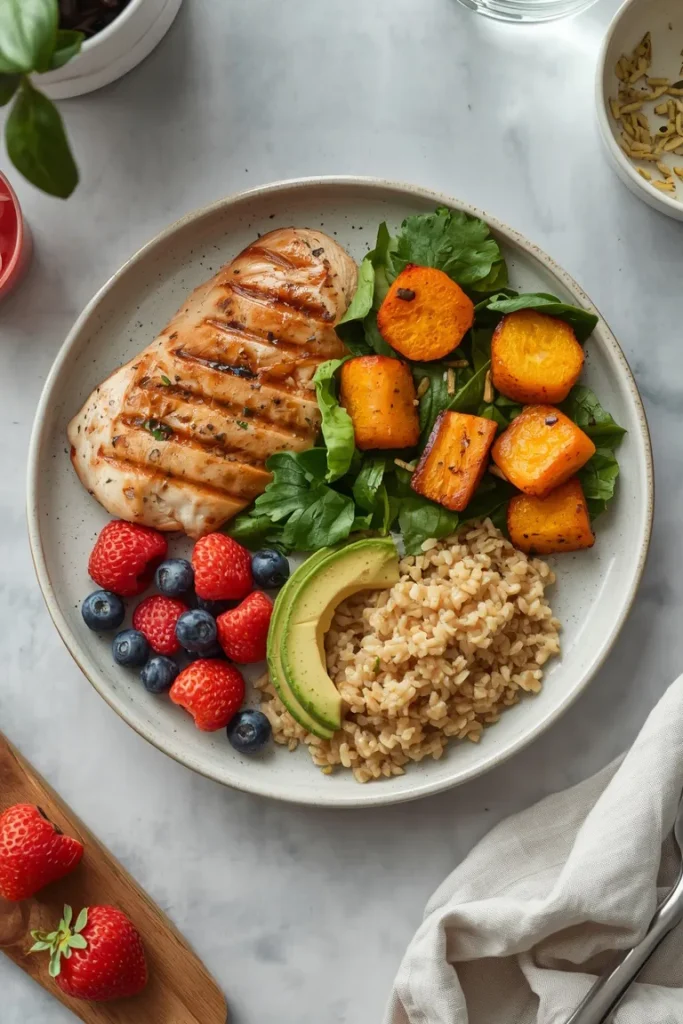
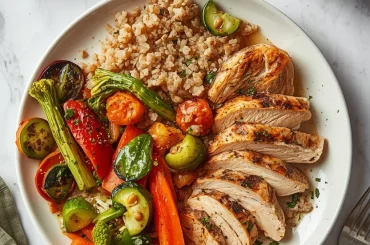
A practical meal can include:
- Protein: eggs, chicken, fish, lean meat, Greek-style yogurt, cottage cheese, beans, lentils, tofu, or other protein-rich foods
- Vegetables: leafy greens, carrots, broccoli, peppers, tomatoes, cucumber, beans, or other vegetables
- Fruit: whole fruit as a snack or part of a meal
- High-fiber carbohydrates: oats, potatoes, brown rice, whole-grain bread, whole-grain pasta, beans, or lentils
- Healthy fats: nuts, seeds, avocado, or measured amounts of cooking oils
NIDDK’s guidance for healthy eating patterns includes vegetables, whole fruits, whole grains, dairy or suitable alternatives, and a variety of protein foods.
A simple plate approach
You don’t need to make every meal mathematically perfect.
A useful starting point is:
Protein + vegetables or fruit + a sensible carbohydrate portion + a small amount of healthy fat
For example:
Breakfast:
Eggs + whole-grain toast + fruit
Lunch:
Chicken + rice + a large serving of vegetables
Snack:
Yogurt + fruit
Dinner:
Fish + potatoes + vegetables
The exact foods can change according to your culture, budget, preferences, and dietary needs.
Planning meals ahead can make it easier to maintain a consistent eating pattern and reduce reliance on last-minute food choices. Our meal prep for beginners guide explains how to get started with a simple approach.
4. Don’t Ban Your Favorite Foods
Extreme diets often create a “good food versus bad food” mentality.
That can make ordinary foods feel forbidden and make it harder to maintain a balanced eating pattern.
You can include foods you enjoy while still losing weight.
The key is usually frequency and portion size, not perfection.
For example, instead of saying:
“I can never eat pizza again.”
Try:
“Pizza can be part of my diet occasionally, and I can choose a reasonable portion and add a salad or another nutritious food.”
The same principle can apply to:
- chocolate
- desserts
- burgers
- restaurant meals
- noodles
- bread
- rice
- ice cream
- snacks
A sustainable diet should have room for real life.
5. Make High-Calorie Foods Easier to Portion
Some foods contain a lot of calories in relatively small amounts. Examples include oils, nuts, nut butters, cheese, fried foods, sweets, sauces, and many processed snacks.
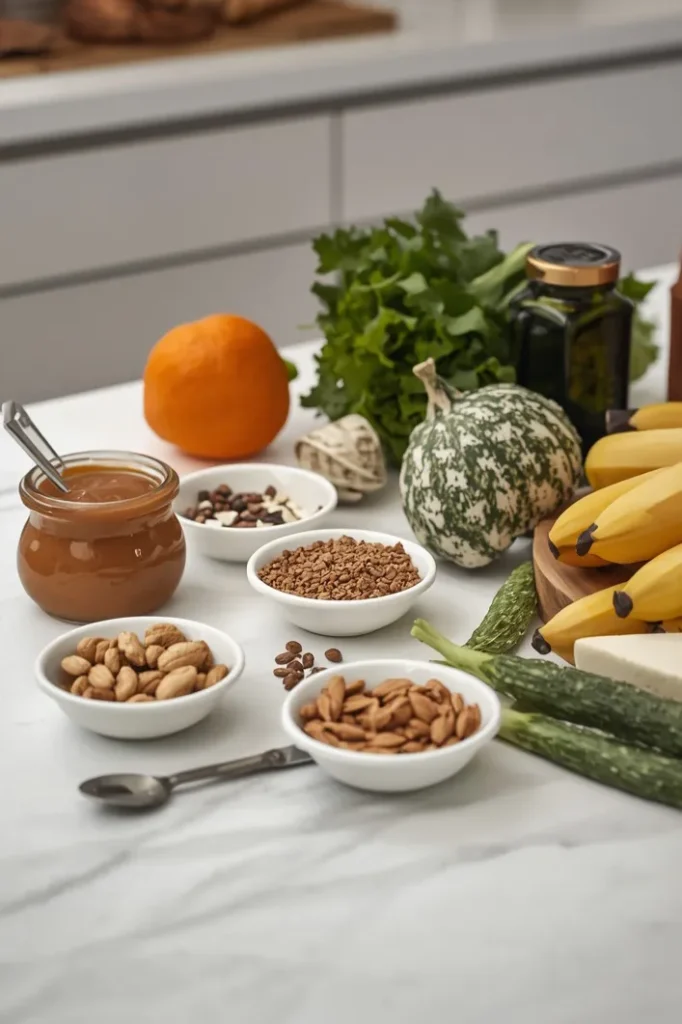
These foods do not automatically need to be removed.
But portion awareness can help.
Try these simple strategies
Measure calorie-dense ingredients occasionally.
Pouring oil directly from a bottle can make it surprisingly easy to use more than intended.
Use smaller serving dishes.
This can make a reasonable portion feel more satisfying visually.
Put snacks into a bowl.
Instead of eating from the package, serve yourself a portion.
Keep highly tempting foods less convenient.
Store them in a cupboard rather than leaving them directly in front of you.
Make nutritious foods convenient.
Keep fruit visible, prepare vegetables in advance, and have easy protein options available.
NIDDK recommends planning ahead, keeping healthier foods available, and making higher-calorie snack foods less accessible when working toward healthier habits.
6. Use Strength Training to Support Your Fat-Loss Plan

Weight loss should not be only about making the number on the scale smaller.
Strength training can be an important part of a fat-loss program because it helps you maintain an active, capable body while you work toward your goal.
Beginners do not need complicated bodybuilding programs.
Start with movements such as:
- Squats or chair squats
- Lunges or split squats
- Push-ups or incline push-ups
- Rows using resistance bands or dumbbells
- Hip hinges
- Glute bridges
- Overhead presses
- Basic core exercises
You can train at home with body weight, resistance bands, or a pair of dumbbells.
Beginner approach
Start with 2–3 strength sessions per week.
Each session could include:
| Movement | Example |
|---|---|
| Squat | Bodyweight squat |
| Push | Incline push-up |
| Pull | Resistance-band row |
| Hinge | Dumbbell Romanian deadlift |
| Glutes | Glute bridge |
| Core | Dead bug or plank |
Start with a manageable amount of work and gradually increase repetitions, resistance, or difficulty as your fitness improves.
WHO recommends that adults perform muscle-strengthening activities involving major muscle groups on at least two days per week.
7. Add Cardio Without Turning Exercise Into Punishment
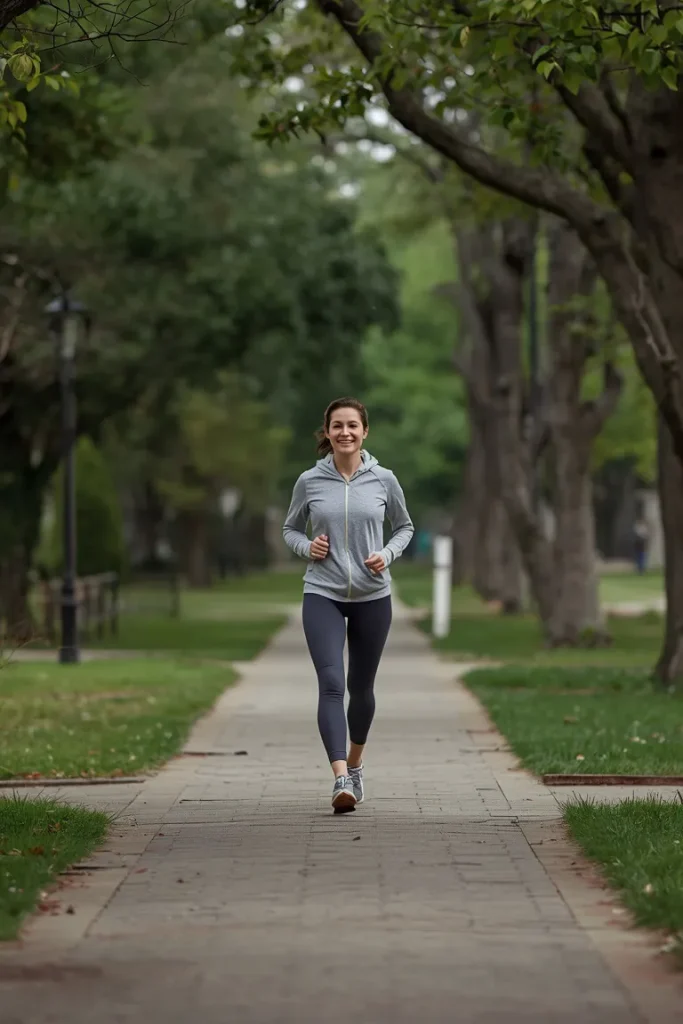
You do not need to spend hours doing exhausting cardio to start becoming more active.
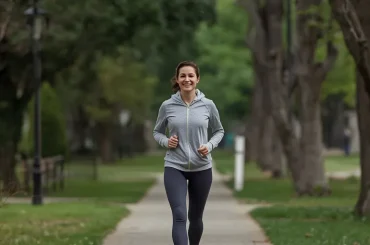
Walking is a particularly practical option because it requires little equipment and can be incorporated into a busy schedule.
Try:
- A 15-minute walk after lunch
- Walking while taking phone calls
- A short walk after dinner
- Taking stairs when practical
- Weekend hikes
- Cycling
- Swimming
- Dancing
- Home cardio workouts
WHO recommends adults accumulate 150–300 minutes of moderate-intensity aerobic activity per week, or an equivalent amount of vigorous activity, alongside muscle-strengthening activity on at least two days per week.
You don’t have to reach the upper end immediately.
If you’re currently inactive, start with something you can repeat consistently and build gradually.
8. Use a Simple Weekly Activity Plan
A busy adult doesn’t necessarily need a complicated training schedule.
Here’s one example:
| Day | Activity |
|---|---|
| Monday | 30-minute strength workout |
| Tuesday | 20–30-minute brisk walk |
| Wednesday | 30-minute strength workout |
| Thursday | Easy walk or active recovery |
| Friday | 30-minute strength workout |
| Saturday | Longer walk, cycling, or another enjoyable activity |
| Sunday | Rest and light movement |
This is only a template. Your schedule can be shorter, longer, or organized differently.
The best routine is one you can actually follow.
9. Make Meal Preparation Work for Your Schedule
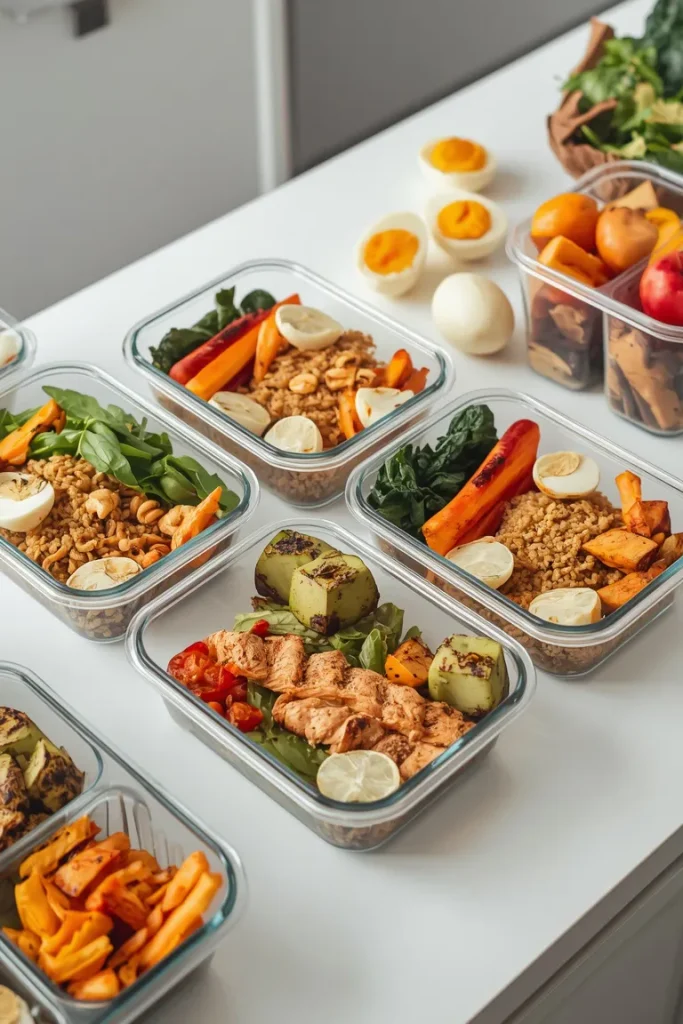
Healthy eating becomes much harder when you’re exhausted and have nothing ready to eat.
You don’t need to spend your entire Sunday cooking.
Instead, prepare a few components.
A 30–60 minute meal-prep system
Step 1: Choose 2 protein sources
Examples:
- Chicken
- Eggs
- Fish
- Lean beef
- Lentils
- Beans
- Tofu
Step 2: Prepare 1–2 carbohydrate sources
Examples:
- Rice
- Potatoes
- Oats
- Whole-grain pasta
Step 3: Prepare vegetables
Wash, chop, roast, steam, or cook a batch of vegetables.
Step 4: Prepare easy snacks
Keep options such as:
- Fruit
- Yogurt
- Boiled eggs
- Nuts in measured portions
- Cut vegetables
Step 5: Assemble meals rather than following a rigid menu
This gives you flexibility without requiring a completely different recipe every day.
10. Don’t Drink a Large Share of Your Calories
Liquid calories can be easy to overlook because they may not feel as substantial as a meal.
Depending on what you normally drink, consider reducing:
- Sugary soft drinks
- Sweetened coffee
- Sugary tea
- Energy drinks
- Large specialty coffee drinks
- Frequent fruit juice
You don’t need to eliminate everything.
A simple first step could be replacing one regular sugary drink each day with water or an unsweetened option.
This is especially useful if beverages are one of your major sources of added sugar or calories.
11. Don’t Let One Unhealthy Meal Become an Unhealthy Week
A common mistake is the “I already ruined my diet” mindset.
You eat more than planned at dinner and decide the entire day is lost.
Then you continue eating whatever you want for the rest of the evening.
Instead, treat it as one meal.
You don’t need to:
- Skip breakfast the next day
- Exercise for hours to compensate
- Completely eliminate carbohydrates
- Start another crash diet
Simply return to your normal routine at the next meal.
NIDDK specifically notes that setbacks are normal and recommends regrouping and returning to healthy habits rather than treating a setback as failure.
12. Pay Attention to Sleep and Stress
Weight management isn’t just about food and exercise.
Sleep and stress can affect how easy it is to maintain healthy habits. The CDC includes adequate sleep and stress management as components of a healthy weight-management lifestyle.
For a busy adult, this can mean making small changes such as:
- Keeping a relatively consistent sleep schedule
- Reducing unnecessary late-night screen time
- Preparing tomorrow’s meals before bed
- Taking short breaks during stressful workdays
- Walking instead of automatically reaching for a snack when stressed
- Creating a relaxing evening routine
You don’t need a perfect lifestyle. Look for the habits that are most realistic for you.
13. Track Progress Without Obsessing Over the Scale
Body weight naturally fluctuates.
A single weigh-in doesn’t tell you whether your overall plan is working.
If you choose to monitor your weight, look at the trend over time rather than reacting to every daily change.
You can also track:
- Waist measurement
- Workout performance
- Strength
- Daily activity
- How consistently you’re following your eating plan
- Energy levels
- How your clothes fit
NIDDK notes that tracking food, physical activity, and weight can help people monitor progress and identify areas for improvement.
A useful weekly check-in
Ask yourself:
- Did I complete my planned workouts?
- Did I eat protein-rich foods regularly?
- Did I include vegetables and fruit?
- Did I drink mostly lower-calorie beverages?
- Did I prepare some meals in advance?
- Did I get enough movement?
- What made this week difficult?
- What is one thing I can improve next week?
This turns progress into a process rather than a daily judgment.
14. Common Weight-Loss Mistakes and Better Approaches
| Mistake | Why It Can Be a Problem | Better Approach |
|---|---|---|
| Cutting calories extremely low | Difficult to sustain and may leave you struggling with hunger and energy | Use a more manageable calorie reduction |
| Eliminating entire food groups without a reason | Can make eating unnecessarily restrictive | Build balanced meals around foods you enjoy |
| Doing excessive cardio | Can make your routine difficult to maintain | Combine manageable cardio with strength training |
| Eating “healthy” foods without considering portions | Nutritious foods can still contribute substantial calories | Pay attention to portions of calorie-dense foods |
| Skipping meals to compensate for overeating | Can make your routine harder to manage | Return to your normal meal pattern |
| Expecting fast results | Can encourage unnecessary restriction | Focus on gradual, sustainable progress |
| Giving up after one setback | One meal doesn’t determine your overall progress | Resume your routine at the next opportunity |
| Following someone else’s exact diet | Your needs and preferences may be different | Adapt the principles to your lifestyle |
15. A Simple 7-Day Start Plan
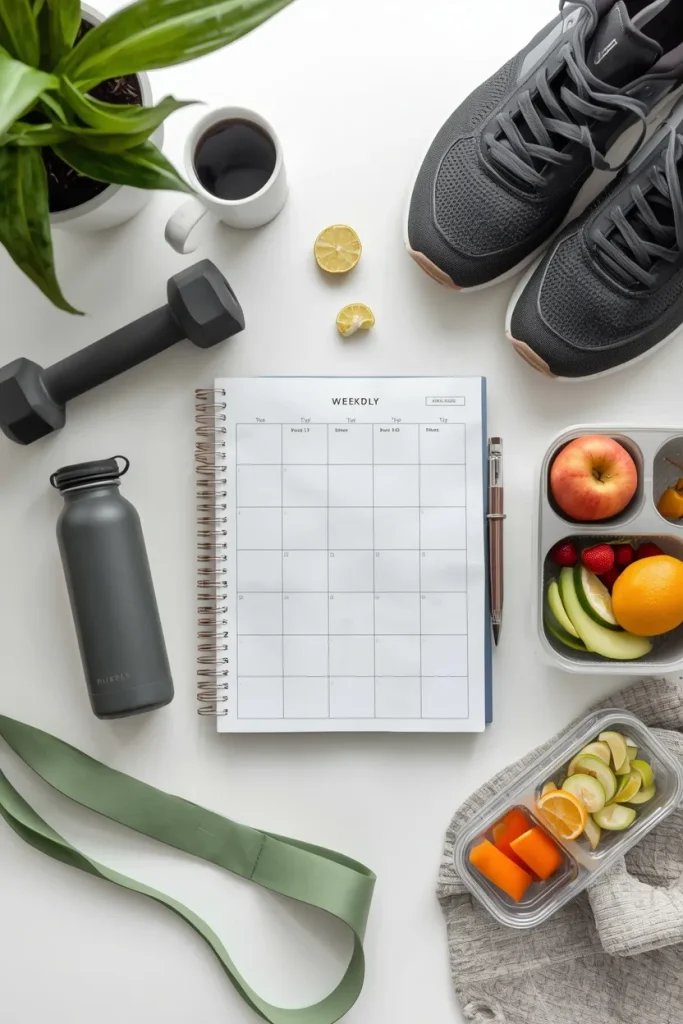
If you don’t know where to begin, don’t change everything at once.
Try this:
Day 1 — Improve breakfast
Add a clear protein source and fruit or another high-fiber food.
Day 2 — Change one beverage
Replace one regular sugary drink with water or an unsweetened option.
Day 3 — Take a walk
Add a 15–30-minute walk at a time that fits your schedule.
Day 4 — Strength train
Complete a short full-body beginner workout.
Day 5 — Prepare food
Prepare one protein source, one carbohydrate source, and some vegetables.
Day 6 — Enjoy a favorite food
Have something you genuinely enjoy without turning it into an all-day cheat day.
Day 7 — Review
Look at what worked and choose 2–3 habits to continue next week.
The goal isn’t to complete a perfect seven-day challenge. The goal is to identify habits that can become part of your normal life.
16. How to Make Weight Loss Easier When You’re Busy

Busy schedules are one of the biggest reasons complicated plans fail.
Use a minimum effective routine.
If you have 10 minutes
- Take a brisk walk
- Do bodyweight squats and incline push-ups
- Prepare tomorrow’s breakfast
- Portion snacks
- Chop vegetables
If you have 20 minutes
- Complete a short full-body workout
- Walk around your neighborhood
- Prepare a simple protein-rich meal
If you have 30–45 minutes
- Complete a structured strength workout
- Take a longer brisk walk
- Prepare several meals for the next few days
You don’t need every day to look the same.
A sustainable plan should be flexible enough to survive busy days.
17. When You Should Consider Professional Guidance
Weight loss isn’t appropriate to approach the same way for everyone.
Talk with a qualified healthcare professional before making major dietary or exercise changes if you:
- Have a medical condition that affects exercise or nutrition
- Take medications that may affect body weight or appetite
- Are pregnant or breastfeeding
- Have a history of an eating disorder
- Experience significant or unexplained changes in weight
- Have concerning symptoms during exercise
People with chronic health conditions may need an exercise plan adapted to their abilities and medical situation. NIDDK recommends discussing physical activity with a healthcare professional when conditions such as heart disease, high blood pressure, or diabetes are involved.
During exercise, stop and seek appropriate medical advice if you experience concerning symptoms such as significant pain, dizziness, fainting, or unusual shortness of breath.
Frequently Asked Questions
Can I lose weight without completely cutting out carbs?
Yes. Carbohydrate-containing foods can fit into a weight-loss eating pattern. Whole grains, potatoes, oats, rice, fruit, beans, and other carbohydrate foods can be part of balanced meals. The overall amount you eat and the quality and composition of your diet matter more than treating carbohydrates as automatically off-limits.
Do I have to count calories to lose weight?
No. Calorie tracking is one possible tool, but it isn’t the only approach. Portion awareness, meal structure, food quality, and consistent habits can also help you reduce overall calorie intake.
Can I eat dessert while trying to lose weight?
Yes. A small portion of a favorite dessert can fit into an overall balanced eating pattern. The important distinction is between including a food occasionally and allowing it to regularly dominate your calorie intake.
Is walking enough for weight loss?
Walking can contribute to weight loss by increasing physical activity, but results depend on your overall energy intake and activity level. Combining regular walking with a balanced eating pattern and strength training can provide a more complete approach.
How quickly should I expect to lose weight?
There is no single rate that applies to everyone. The CDC describes approximately 1–2 pounds per week as gradual weight loss, but individual results vary.
Avoid judging your plan based on a few days of scale changes.
What should I do if I overeat?
Don’t try to punish yourself with fasting or excessive exercise. Return to your usual eating pattern at the next meal, identify what triggered the overeating if useful, and continue with your normal routine.
Do I need a gym to lose weight?
No. Walking, bodyweight exercises, resistance bands, dumbbells, cycling, and other activities can all contribute to an active lifestyle. A gym is an option, not a requirement.
What is the most important habit for sustainable weight loss?
Consistency is more useful than finding one “magic” food or workout. Start with a small number of habits you can repeat and gradually improve them.
The Bottom Line
You don’t need an extreme diet to lose weight.
A better strategy is to create a sustainable routine built around reasonable portions, nutritious foods, adequate protein, regular movement, strength training, meal preparation, sleep, and consistency.
You can still eat foods you enjoy. You can miss a workout. You can have a restaurant meal. You can have dessert.
What matters is what you do most of the time.
Start with two or three changes rather than trying to transform your entire lifestyle overnight. Once those habits become easier, build on them.
Save This Guide
For nutrition:
Build meals around protein, vegetables or fruit, high-fiber carbohydrates, and sensible portions of calorie-dense foods.
For exercise:
Aim toward regular aerobic activity and strength training at least twice a week, progressing gradually.
For busy days:
Keep simple meals, snacks, and short workouts available.
For setbacks:
Don’t compensate with extreme restriction. Return to your normal routine.
For progress:
Look at trends and habits rather than judging yourself by one meal or one weigh-in.
For the long term:
Choose an approach you can realistically continue.
Sources & Further Reading
- CDC — Steps for Losing Weight — gradual weight loss, healthy eating, physical activity, sleep, and stress management.
- NIDDK — Eating & Physical Activity to Lose or Maintain Weight — healthy eating patterns, physical activity, goal setting, setbacks, and weight maintenance.
- WHO — Physical Activity — adult aerobic and muscle-strengthening activity recommendations.
- NIDDK — Body Weight Planner — tool for exploring personalized calorie and physical-activity plans.