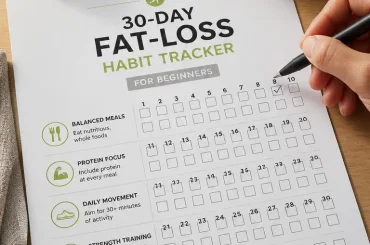
Belly fat is a common concern for adults who want to improve their health, feel more comfortable in their clothes, and build healthier everyday habits. However, reducing abdominal fat does not require extreme diets, exhausting workouts, or expensive weight-loss products. A more effective approach is to focus on sustainable changes to your eating habits, physical activity, sleep, and daily routine.
One important fact to understand from the beginning is that you cannot choose exactly where your body loses fat. Exercises such as crunches, sit-ups, and planks can strengthen your abdominal muscles, but they do not selectively burn the fat covering those muscles. Reducing belly fat generally requires reducing overall body fat, although the amount and location of fat loss vary from person to person.
The good news is that small, consistent changes can make a meaningful difference over time. Eating balanced meals, walking regularly, strength training, getting enough sleep, and managing stress can all support a healthier weight and better overall well-being.
In this guide (How to Reduce Belly Fat), you will learn practical strategies to support overall fat loss, understand which habits matter most, and avoid common mistakes that can make your progress harder to maintain.
Understanding Belly Fat and Why It Matters
Not all abdominal fat is the same. Two main types are commonly discussed: subcutaneous fat and visceral fat.
Subcutaneous fat sits directly beneath the skin. It is the softer fat you can usually pinch around your waist.
Visceral fat is stored deeper inside the abdomen, surrounding internal organs. Excess visceral fat is associated with a higher risk of health problems, including type 2 diabetes, high blood pressure, and cardiovascular disease.
Having some body fat is normal and necessary. The goal should not be to eliminate abdominal fat completely or achieve an unrealistic body shape. Instead, focus on habits that support your health and, when appropriate, gradually reduce excess body fat.
According to the National Institute of Diabetes and Digestive and Kidney Diseases (NIDDK), excess weight and abdominal fat can affect health risks, but weight management is influenced by several factors, including genetics, lifestyle, age, and medical conditions.
It is also important to remember that everyone’s body stores fat differently. Some people notice changes around their waist early in a weight-loss journey, while others notice changes in different areas first. Neither pattern means you are doing something wrong.

1. Build Balanced Meals Instead of Following Extreme Diets
One of the most useful steps toward overall fat loss is improving the quality and balance of your meals.
You do not need to eliminate entire food groups, skip meals, or survive on salads. Instead, build meals around foods that provide protein, fiber, vitamins, minerals, and enough energy to support your daily activities.
A practical meal can include:
- Protein: Eggs, chicken, fish, tofu, beans, lentils, or plain Greek yogurt.
- Vegetables: Broccoli, carrots, spinach, cabbage, tomatoes, or other vegetables you enjoy.
- High-fiber carbohydrates: Oats, brown rice, potatoes, whole-grain bread, or other whole grains.
- Healthy fats: Nuts, seeds, avocado, or moderate amounts of olive oil.
This combination can make meals satisfying while helping you meet your nutritional needs.
For example, breakfast could be eggs with whole-grain toast and fruit. Lunch might include grilled chicken, rice, and vegetables. Dinner could feature lentil curry, vegetables, and a suitable portion of rice.
The best meal plan is one you can follow consistently, afford comfortably, and adapt to your preferences.
If you need simple ideas to get started, explore FitVibe’s guide to protein-rich nuts, which can help you identify convenient foods to include in a balanced eating pattern.
2. Understand How Overall Fat Loss Works
A common misconception is that exercising a particular body part causes the fat around that area to disappear.
In reality, fat loss occurs across the body according to a combination of factors, including genetics, hormones, energy balance, and individual physiology.
To lose body fat, most people need a sustainable pattern in which they use more energy than they consume over time. This is often called an energy deficit.
That does not mean you need to count every calorie or feel hungry throughout the day. For some people, modest changes such as reducing sugary drinks, adjusting portions, choosing more filling foods, and becoming more active can help create the conditions for gradual fat loss.
Avoid trying to force rapid results through severe restriction. Eating too little can leave you tired, make workouts harder, and make it more difficult to maintain healthy habits.
The CDC’s guide to losing weight explains that healthy weight management involves a combination of nutritious eating patterns, regular physical activity, adequate sleep, and stress management.
The key is to develop habits that work together rather than searching for one special food, workout, or supplement that promises to remove belly fat.
3. Walk More Throughout the Day
Walking is one of the simplest ways to increase your daily physical activity. It requires little equipment, can fit into a busy schedule, and can be adapted to many fitness levels.
Regular walking uses energy and supports cardiovascular health. When combined with balanced eating and other healthy habits, it can contribute to overall fat loss.
You do not have to begin with long walks. Start with an amount that feels manageable and increase gradually.
Try these practical ideas:
- Take a 10-minute walk after lunch or dinner.
- Walk while listening to a podcast or talking with a friend.
- Choose the stairs when practical and safe.
- Park a little farther away when visiting shops.
- Take short movement breaks if you spend much of the day sitting.
- Schedule a walk during a break from work.
If you are new to exercise, begin with five to ten minutes at a comfortable pace and build up as your fitness improves.
For adults, general public-health guidance recommends at least 150 minutes of moderate-intensity aerobic activity each week, alongside muscle-strengthening activities on at least two days. However, your starting point can be much lower if you have been inactive.
You can find more ideas in FitVibe’s article about how often beginners should work out at home.
Consistency matters more than choosing an ambitious target you cannot maintain. A manageable walking routine performed regularly is a better starting point than an exhausting plan that lasts only a few days.
4. Include Strength Training in Your Routine
Strength training helps build and maintain muscle. This is especially valuable when you are working toward fat loss because preserving muscle can help maintain strength and physical function as body weight changes.
You do not necessarily need a gym membership or expensive equipment. Many beginners can start with bodyweight movements at home.
Useful exercises include:
- Chair squats or regular squats.
- Wall push-ups or modified push-ups.
- Resistance-band rows.
- Glute bridges.
- Standing calf raises.
- Light dumbbell exercises, if suitable.
- Planks and other core-strengthening movements.
Aim to work the major muscle groups over the week, allowing your muscles time to recover between challenging sessions.
If you are new to strength training, start with one or two sessions per week and increase gradually as you become more comfortable. Focus on controlled movements and good technique rather than rushing through repetitions.
Strength training does not directly target belly fat. However, it supports a broader fitness routine that can help you maintain muscle while pursuing overall fat loss.
If you are just beginning, read FitVibe’s guide to what to do on your first day working out at home for ideas on starting with simple movements and realistic expectations.
If you have joint problems, balance difficulties, an existing medical condition, or a history of injury, consider seeking professional guidance before starting a new exercise program.

5. Train Your Core for Strength, Not Spot Reduction
Core exercises are useful, but it is important to understand what they can and cannot do.
Movements such as planks, bird dogs, dead bugs, and controlled abdominal exercises strengthen muscles around your trunk. A stronger core can support balance, stability, posture, and everyday movements.
However, performing hundreds of crunches will not specifically burn the fat covering your abdominal muscles.
You can include core training in a balanced routine two or three times a week, depending on your fitness level and recovery.
For a beginner-friendly session, try:
- A short modified plank.
- Bird dogs performed slowly.
- Dead bugs with controlled movement.
- Glute bridges.
- Gentle standing core exercises.
Start with comfortable repetitions or short holds. Stop if an exercise causes sharp pain, and choose modifications when needed.
Core training is worthwhile because it improves strength and control. Think of it as one component of your overall fitness plan, not a shortcut to a flatter stomach.
6. Eat More Fiber-Rich Foods
Fiber supports digestive health and can help make meals more satisfying. Including fiber-rich foods regularly may also make it easier to manage your overall food intake.
Good sources include:
- Oats and whole-grain cereals.
- Beans, chickpeas, and lentils.
- Apples, pears, berries, and other fruits.
- Broccoli, carrots, leafy greens, and other vegetables.
- Nuts and seeds.
- Whole-grain bread and other whole grains.
A simple way to increase fiber is to add fruit to breakfast, include vegetables at lunch and dinner, or replace some refined grains with whole-grain alternatives.
Increase fiber gradually and drink enough fluids, as a sudden increase may cause gas or bloating.
It is also useful to distinguish between body fat and temporary abdominal bloating. Bloating can result from gas, constipation, certain foods, or digestive conditions. Reducing body fat will not necessarily resolve every cause of bloating.
If abdominal swelling is persistent, painful, new, or accompanied by other concerning symptoms, speak with a healthcare professional rather than assuming it is caused by fat.
7. Include Protein in Your Main Meals
Protein is important for maintaining muscle, repairing tissues, and supporting normal body functions. Protein-containing foods can also contribute to meal satisfaction.
Consider including a source of protein at breakfast, lunch, and dinner.
Practical options include:
- Eggs and plain yogurt.
- Chicken or turkey.
- Fish and other seafood.
- Lentils, beans, and chickpeas.
- Tofu and other soy foods.
- Milk or fortified alternatives that provide protein.
- Nuts and seeds as part of a balanced diet.
For example, you could have eggs with toast for breakfast, lentil curry with rice for lunch, and fish with vegetables and potatoes for dinner.
You do not need to depend on protein powders or expensive supplements to eat a protein-rich diet. Ordinary foods can provide protein as part of a varied eating pattern.
Individual protein needs vary according to factors such as body size, age, activity level, and health status. People with certain medical conditions may need personalized advice about protein intake.
Remember that protein is not a direct belly-fat-burning food. It is one part of an overall eating pattern that can support muscle maintenance and help you build satisfying meals.

8. Pay Attention to Sugary Drinks and Liquid Calories
Sugary drinks can contribute substantial amounts of energy without providing the same level of fullness as many solid foods.
Examples include regular soft drinks, sweetened iced tea, energy drinks with added sugar, and some sweetened coffee drinks.
You do not have to change every beverage habit at once. Begin by identifying what you drink most often and choosing one practical adjustment.
For example:
- Replace one sugary drink a day with water.
- Choose unsweetened tea or coffee more often.
- Carry a reusable water bottle.
- Add lemon or mint to water if you enjoy the flavor.
- Check labels on packaged drinks for added sugar.
Fruit juice and sweetened smoothies can also contain significant amounts of energy, even when they provide some nutrients. Whole fruit is often a more filling everyday option because it retains its fiber structure.
You can still enjoy your favorite drinks occasionally. The goal is to make your usual routine supportive of your health without creating unnecessary restrictions.
9. Watch Portion Sizes Without Obsessing Over Food
Even nutritious foods contribute energy, and portions can influence whether you maintain or lose weight over time.
However, you do not need to weigh every ingredient or count every calorie to make progress.
Start by paying attention to your usual eating patterns. Do you regularly eat while distracted? Do you take second portions before checking whether you are still hungry? Are your meals low in protein or fiber, leaving you hungry soon afterward?
Simple adjustments may help:
- Serve meals on a plate instead of eating directly from a large package.
- Eat at a table when possible.
- Include vegetables and a protein source in your main meals.
- Eat slowly enough to notice when you feel comfortably satisfied.
- Keep filling snacks available for times when you are hungry.
- Avoid skipping meals if doing so makes you excessively hungry later.
Portion needs differ from person to person. Your activity level, appetite, medical needs, and personal circumstances all matter.
The aim is not to eat as little as possible. It is to find portions that meet your nutritional needs and support a sustainable routine.
10. Get Enough Sleep
Sleep is an important part of overall health and weight management. Poor or insufficient sleep can affect energy, appetite, mood, and your ability to maintain healthy routines.
When you are tired, you may find it harder to exercise, prepare balanced meals, or manage stress. Some people also notice changes in hunger and food cravings after inadequate sleep.
Most adults should aim for at least seven hours of sleep per night, although individual needs vary.
To improve your sleep routine:
- Keep your bedtime and wake-up time reasonably consistent.
- Reduce bright screens close to bedtime if they interfere with your sleep.
- Make your bedroom comfortable, quiet, and dark.
- Avoid large meals immediately before bed if they cause discomfort.
- Limit caffeine later in the day if it affects your sleep.
- Build a relaxing wind-down routine.
Sleep alone will not eliminate abdominal fat. Instead, it supports the other habits that help you maintain your health and work toward realistic body-composition goals.
If you regularly struggle to sleep, feel unusually sleepy during the day, or experience symptoms such as loud snoring and interrupted breathing, discuss these concerns with a healthcare professional.
11. Manage Stress With Realistic Daily Habits
Stress is a normal part of life, but ongoing stress can make healthy routines more difficult to maintain.
Some people respond to stress by eating more frequently, choosing convenient foods, or becoming less active. Others lose their appetite or struggle to sleep. These responses differ from person to person.
You cannot eliminate every source of stress, but you can build habits that help you respond to it.
Try activities such as:
- Taking a short walk outdoors.
- Practicing slow, comfortable breathing.
- Talking with a trusted friend.
- Scheduling short breaks during busy days.
- Enjoying a hobby that helps you unwind.
- Setting realistic daily priorities.
- Making time for regular sleep and meals.
Avoid treating stress as a personal failure. Work demands, family responsibilities, financial pressures, and other circumstances can affect how much time and energy you have available.
If stress or emotional eating feels difficult to manage, support from a qualified healthcare or mental-health professional may help.

12. Reduce Alcohol Intake if You Drink
Alcoholic drinks can add energy to your diet, and some drinks also contain added sugars. Alcohol may influence eating decisions and can interfere with sleep for some people.
If you drink alcohol, consider how frequently you drink and whether it contributes to habits that work against your health goals.
You might choose smaller amounts, drink less frequently, or select non-alcoholic alternatives on some occasions.
Avoid using alcohol as a way to relax after a stressful day or as a substitute for proper meals and rest.
Reducing alcohol intake does not guarantee belly-fat loss, and the effects vary between individuals. It is simply one potential adjustment to consider within a wider approach to health.
People who may be dependent on alcohol should seek medical advice before abruptly stopping, as withdrawal can be dangerous.
13. Make Healthy Eating Easier With Meal Preparation
Planning meals ahead can reduce the pressure of deciding what to eat when you are busy.
Meal preparation does not need to mean cooking every meal for an entire week. You can begin by preparing a few ingredients that make balanced meals easier to assemble.
For example, you could:
- Cook a batch of rice or another whole grain.
- Prepare lentils or beans.
- Wash and chop vegetables.
- Boil eggs for convenient meals.
- Portion plain yogurt and fruit for breakfast or snacks.
- Prepare chicken, tofu, or another protein source.
- Keep frozen vegetables available for quick dinners.
Combine the prepared ingredients in different ways to avoid eating exactly the same meal every day.
For example, cooked chicken could go into a grain bowl one day and a whole-grain wrap the next. Lentils could be served with rice at lunch or added to a vegetable soup.
Store cooked foods safely in the refrigerator or freezer, and follow appropriate food-storage guidance.
Meal preparation is particularly useful when busy schedules make takeaway food or unplanned snacks the easiest options. A little preparation can make the healthier choice more convenient.
14. Track Progress Beyond the Number on the Scale
Your weight can fluctuate from day to day because of fluid changes, digestion, hormones, salt intake, and other factors. A single measurement cannot tell you everything about your progress.
Instead of focusing exclusively on the scale, consider several indicators:
- Your ability to walk farther or longer.
- Improvements in strength and endurance.
- More consistent sleep.
- Better energy during the day.
- Greater consistency with balanced meals.
- Changes in how your clothes fit.
- Waist measurements, if they are useful and comfortable for you.
- Weight trends over time, if weighing yourself is appropriate for you.
If you choose to monitor your weight, consider looking at longer-term trends rather than reacting to every daily change. Measuring your waist occasionally under consistent conditions may provide another data point, but it is not necessary for everyone.
Avoid comparing your results with someone else’s. Age, genetics, body composition, health conditions, medications, and many other factors influence how bodies change.
Progress is not always linear. A few difficult days do not erase the habits you have already built.
15. Avoid Quick-Fix Belly-Fat Claims
When searching for ways to reduce belly fat, you may encounter products or programs promising dramatic results in a few days.
Be cautious of claims that a particular tea, supplement, detox, waist trainer, or exercise routine can selectively remove abdominal fat.
Sweating more does not necessarily mean you are losing body fat. Temporary changes in body weight after heavy sweating mainly reflect fluid loss, which returns when you rehydrate.
Likewise, wearing a waist trainer may temporarily change how your waist looks while you wear it, but it does not selectively burn abdominal fat.
Severely restrictive diets can also make it harder to meet your nutritional needs and maintain results over time.
A more realistic strategy focuses on consistent eating patterns, regular movement, strength training, adequate sleep, and appropriate support when needed.
If you are considering a weight-loss supplement or medication, consult a qualified healthcare professional. Some products can interact with medicines or carry risks, and treatment suitability depends on your individual health.
16. Set Realistic Expectations for Fat Loss
There is no single timeline for reducing belly fat. Your results will depend on your starting point, genetics, lifestyle, age, health status, and how consistently you can maintain your habits.
Some people notice improvements in energy and fitness before they see visible changes in their waist. Others may experience changes in body weight without immediately noticing differences in specific areas.
The CDC’s weight-loss guidance emphasizes gradual, sustainable progress rather than rapid weight loss.
You do not need to change everything on the first day. Choose two or three habits that feel achievable, practice them consistently, and adjust your routine as needed.
For example, you might start by walking for 10 minutes after dinner, including a protein source at breakfast, and going to bed at a more consistent time. Once these habits become easier, add another change.
If you have been trying to improve your eating habits but struggle to stay consistent, FitVibe’s guide to getting back on track with healthy eating offers a useful starting point for rebuilding your routine without expecting perfection.
A Simple Weekly Plan to Get Started
You can use the following example as a flexible starting point. Adapt the activities to your fitness level, schedule, and health needs.
Monday: Take a comfortable walk and prepare balanced meals for the next day.
Tuesday: Complete a short full-body strength workout with suitable beginner exercises.
Wednesday: Walk during a break and include vegetables and a protein source in your main meals.
Thursday: Take a comfortable walk and practice a relaxing bedtime routine.
Friday: Complete another strength session if you have recovered sufficiently.
Saturday: Choose an enjoyable activity, such as walking with a friend, cycling, swimming, or dancing.
Sunday: Review the habits that worked well, prepare a few food ingredients, and plan realistic goals for the coming week.
You do not have to follow this exact schedule. If you are new to exercise, start with fewer sessions and gradually increase your activity. Rest when needed, and remember that some movement is better than none.
The purpose of a weekly plan is to make healthy choices easier to repeat—not to create another demanding set of rules.
Frequently Asked Questions
Can I lose belly fat by doing crunches every day?
Crunches can strengthen your abdominal muscles, but they cannot selectively burn the fat covering them. To reduce abdominal fat, focus on overall fat loss through sustainable eating habits, regular physical activity, strength training, and other supportive lifestyle habits.
What is the best exercise for reducing belly fat?
There is no single exercise that specifically removes belly fat. Walking, cycling, swimming, and other aerobic activities can help increase energy use, while strength training helps maintain muscle. A combination that suits your fitness level and that you can maintain consistently is a practical choice.
Can I reduce belly fat without going to the gym?
Yes. Walking, bodyweight exercises, resistance bands, and other home-based activities can support your fitness goals. Your eating habits, sleep, and consistency also matter. You do not need an expensive gym membership to begin building a healthier routine.
Do I need to stop eating carbohydrates to lose belly fat?
No. Carbohydrates are found in foods such as fruit, oats, rice, potatoes, beans, and whole-grain bread. These foods can be part of a balanced eating pattern. Instead of eliminating carbohydrates completely, consider your overall portions, food quality, nutritional needs, and activity level.
Does drinking more water burn belly fat?
Water is important for hydration, but drinking extra water does not directly melt abdominal fat. Replacing sugary drinks with water may help reduce your overall energy intake if those drinks were a regular part of your diet.
How long does it take to notice changes?
The timeline varies widely. Your body may change at different rates, and abdominal fat may not decrease at the same rate as fat in other areas. Focus on habits and longer-term trends rather than expecting visible results within a few days.
Is belly fat always unhealthy?
Not necessarily. Body fat is normal, and appearance alone cannot determine someone’s health. However, excess visceral fat and a larger waist circumference can be associated with certain health risks. A healthcare professional can help you understand your individual risk factors and whether weight management would be beneficial.
Final Thoughts
Reducing belly fat does not require extreme dieting, hundreds of crunches, or products promising overnight results. The most practical approach is to focus on overall health and build habits that you can maintain.
Start with balanced meals, include protein and fiber-rich foods, walk more often, and add strength training at a pace that suits your fitness level. Prioritize sleep, find manageable ways to deal with stress, and make meal preparation easier when your schedule is busy.
Remember that abdominal fat cannot be selectively targeted through exercise. Your body determines where fat is stored and lost, and visible changes may take time. Progress can also look different from one person to another.
If you have concerns about your weight, abdominal changes, or a medical condition that affects weight management, speak with a qualified healthcare professional for personalized guidance.
Small, repeatable actions are more useful than chasing a perfect routine. Choose a few changes you can begin today, build on them gradually, and give yourself time to develop a healthier lifestyle.
Medical disclaimer: This article is for general educational purposes and is not a substitute for personalized medical advice. If you have a medical condition, take medication that may affect weight, are pregnant or recently postpartum, or have a history of disordered eating, consult an appropriate healthcare professional before making significant dietary or exercise changes.